Red Sox's Mookie Betts Trade Now a Cautionary Tale for MLB
Introduction
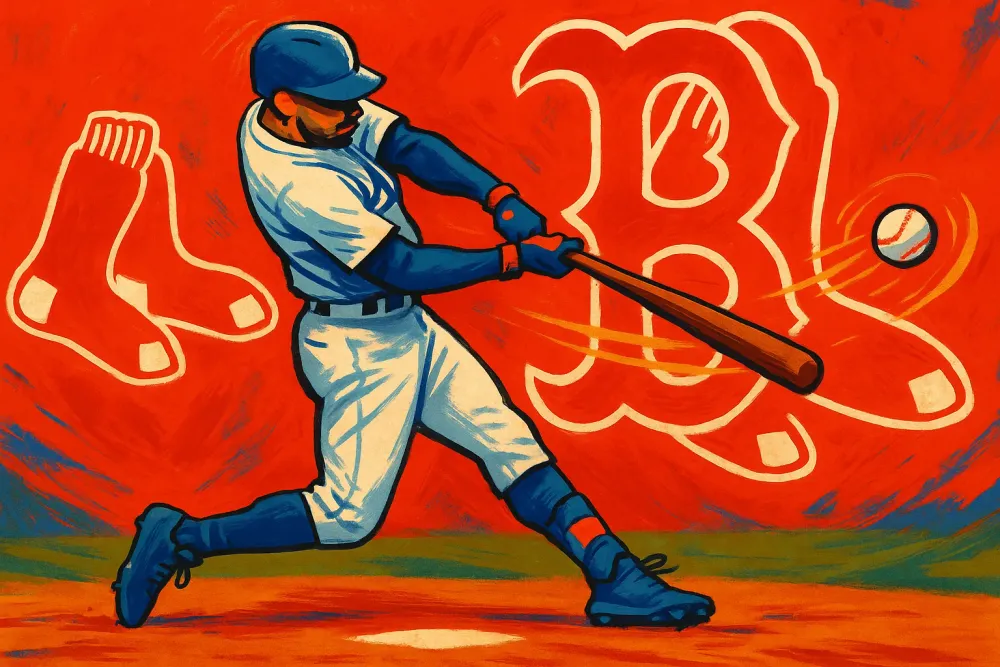
The February 2020 trade that sent Mookie Betts and David Price from the Boston Red Sox to the Los Angeles Dodgers is often regarded as one of the worst moves in baseball history. The decision to offload Betts, who was playing at an elite level, has haunted the Red Sox for years, especially as he has guided the Dodgers to three World Series titles. With Betts now established as a cornerstone player for Los Angeles, the repercussions of this miscalculation resonate throughout the league.
The Fallout of the Betts Trade
When the Red Sox traded Mookie Betts, they received Alex Verdugo, Jeter Downs, and Connor Wong in return, along with offloading $48 million. Looking at the results of this deal, it becomes clear that the Red Sox severely undervalued Betts. Verdugo is set to hit free agency, while Downs struggled overseas in Japan. Wong has not emerged as a significant contributor, serving primarily as a part-time catcher. The immediate outcome not only misses the mark but also raises the question of whether Boston could have approached the trade differently.
Rafael Devers' Complicated Saga
The Betts debacle isn’t the only blunder Boston has encountered in recent years. Another player seemingly caught in the crossfire of mismanagement is Rafael Devers. The Red Sox struggled with communication regarding their plans for him, including moving him off third base to recruit Alex Bregman. After Bregman left for a lucrative deal with the Chicago Cubs, Boston decided to offload Devers to the San Francisco Giants, a move that sent RHP Jordan Hicks, LHP Kyle Harrison, RHP Jose Bello, and outfielder James Tibbs III in return. Hicks has already been traded, and there are doubts about the impact of the remaining prospects acquired.
The consequences of alienating Devers are immense, considering he boasts an impressive .855 career OPS. While there was a rationale for moving him, the resulting fallout erodes trust and skill integration within the Red Sox roster. Had he remained a fixture in Boston, Devers could have solidified the lineup as a core power hitter for the future.
The Jesús Luzardo Trade: A Missed Opportunity
The Miami Marlins faced their own regret in trading away pitcher Jesús Luzardo following an injury-plagued 2024 season. Fearing a repeat of health issues, Miami moved Luzardo, only to see him thrive with the Philadelphia Phillies, putting up a remarkable record of 15 wins and a 3.92 ERA during the 2025 season. In retrospect, holding on to Luzardo for just a few more months could have yielded much better results for Miami, allowing them to either rehabilitate his trade value or reintegrate him into their pitching arsenal.
The Mets' Mistake with Pete Crow-Armstrong
A notable cautionary tale in trades involves the New York Mets and their 2021 decision to move outfielder Pete Crow-Armstrong to the Chicago Cubs for Javier Báez. Despite Báez's initial success, the Mets have found themselves longing for the homegrown talent that Crow-Armstrong has become, culminating in a Gold Glove Award and NL MVP consideration. Crow-Armstrong's defensive prowess and offensive capabilities make the loss sting all the more, particularly as the Mets strive for competitive relevance.
Chris Sale's Trade: A Turning Point
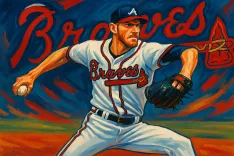
The decision to trade Chris Sale has also turned into a moot point for the Red Sox. After dealing him to the Atlanta Braves in December 2023, Sale captured the NL Cy Young Award in his first season, re-establishing himself as one of the premier pitchers in the game. In contrast, Vaughn Grissom, whom Boston received in the exchange, struggled and has since been relegated to the minor leagues. Sale's potential Hall of Fame status looms larger with each passing season, highlighting the catastrophic consequences of the swap for Boston.
Trevor Megill’s Emergence
The upheaval doesn’t end with the Red Sox. The Minnesota Twins' decision to trade Trevor Megill, a reliever who struggled prior, has proven unwise. After being designated for assignment, he rebounded with the Milwaukee Brewers to become an All-Star, showcasing the volatility of relief pitching and the risk of trading budding talent prematurely.
Conclusion
These cautionary tales remind us that not all trades bear fruit. The missteps by teams like the Red Sox, Mets, Marlins, and Twins can serve as lessons for franchises across the MLB. The significant impact of player transactions on a team's competitive window cannot be overstated. As clubs look toward the future, careful consideration, communication, and an appreciation for homegrown talent might mitigate the risk of making regrettable trades.