MLB Adopts Automated Ball-Strike System: What It Means for the
Introduction
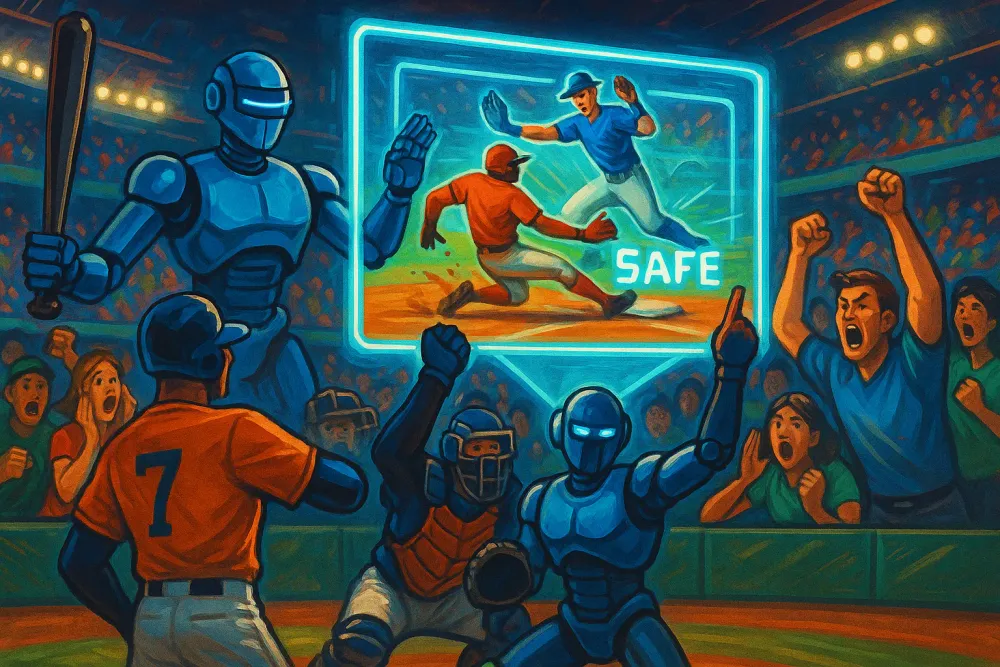
The landscape of Major League Baseball (MLB) is set to undergo a dramatic transformation with the introduction of the Automated Ball-Strike Challenge System (ABS) in 2026. Following years of speculation and testing phases, the ABS promises to reshape the way umpires call pitches, potentially improving fairness and accuracy across the league. But like any innovation, it brings both promise and challenges that are bound to impact games, players, and fans in different ways.
Fewer Missed Calls
An obvious benefit of the ABS is the potential for fewer missed calls. Traditional umpiring has long faced criticism due to human error, but the ABS aims to mitigate this by allowing teams two challenges per game, initiated by a simple tap on the head from the hitter, pitcher, or catcher. Statistical data supports the efficacy of this system: during a trial run in spring training, 52.2% of challenges were successful. This indicates a significant improvement in accuracy; even if only one call out of 10,000 is overturned, it translates to a marginal but crucial step toward fairer gameplay.
Heightened Drama
Another intriguing aspect of the ABS is the heightened emotional stakes it brings to critical moments in games. Not all calls carry the same weight— a missed call on a 3-2 pitch during a tight game can have significantly more gravity than one made at the start of the count. Indeed, the trial data showed that challenges were most frequently made during high-leverage counts. However, the success rate dipped in these scenarios; 44% of challenges during tense moments were successful compared to a 57% success rate on first pitches. This fluctuation could mean that fans experience even more nail-biting moments, with celebrations or frustrations heightened based on the outcomes of these challenges.
Unlocking New Skills
The implementation of the ABS system necessitates players to adapt and refine their strategies surrounding challenges. All participants will need to learn when to challenge a call effectively; catchers, for instance, hold a unique advantage in their ability to assess pitches given their vantage point and experience. Like Chris Sale, players who excel at leveraging the ABS could find themselves with more freedom to challenge, while those who struggle may face restrictions on their challenge opportunities. This dynamic could lead to a new kind of competitive edge as players learn to navigate the intricacies of the system.
Drawbacks: Slower Games
While the ABS presents promising changes, it also has the potential to slow down the pace of play in MLB games. Previous trials have recorded an average challenge duration of 13.8 seconds, which can add up when multiple challenges occur throughout a game. With the average game already stretching over three hours, the additional lost time could be felt by players and fans alike, undermining the MLB's recent efforts to speed up games through measures like the pitch clock.
The Challenges of ABS Metrics
The mechanics of how the ABS calculates strike zones also present potential inconsistencies. The measurements are predetermined: 17 inches wide, 8.5 inches deep, with the top of the zone at 53.5% of the batter's height and the bottom at 27%. Differences in players’ stances may lead to complications, as highlighted by players expressing concern that the system will not account for their natural batting configurations. The traditional rulebook definition of a strike zone varies from these new metrics, which could lead to confusion and further complicate gameplay.
Concerns About Integrity
Another significant consideration rests on the relationship between the ABS and expanded gambling activities in MLB. The potential ramifications of incorrect calls could extend beyond the baseball diamond; stakes are rising as betting becomes more integral to fans' experiences. Unauthorized manipulation of the ABS by teams mirrors past issues like sign-stealing and raises ethical questions about the integrity of the game. While mechanisms will likely be put in place to prevent cheating, the lure of gaining an advantage could lead some to exploit the system.
Conclusion
The Automated Ball-Strike Challenge System represents a significant leap into a new era for MLB, mirroring Bob Dylan's famous shift to electric music in the 1960s—everything changes. Although the ABS presents promising advancements toward accuracy and excitement, it is essential for MLB to navigate the accompanying challenges carefully. With the prospect of enhanced gameplay and the threat of unintended consequences, baseball fans are poised for a new chapter filled with thrilling highs and potential pitfalls. As the 2026 season approaches, all eyes will be on how well this system is integrated and the responses it elicits across the sport.