
MLB's New ABS System Changes Strike Zones for Top Sluggers
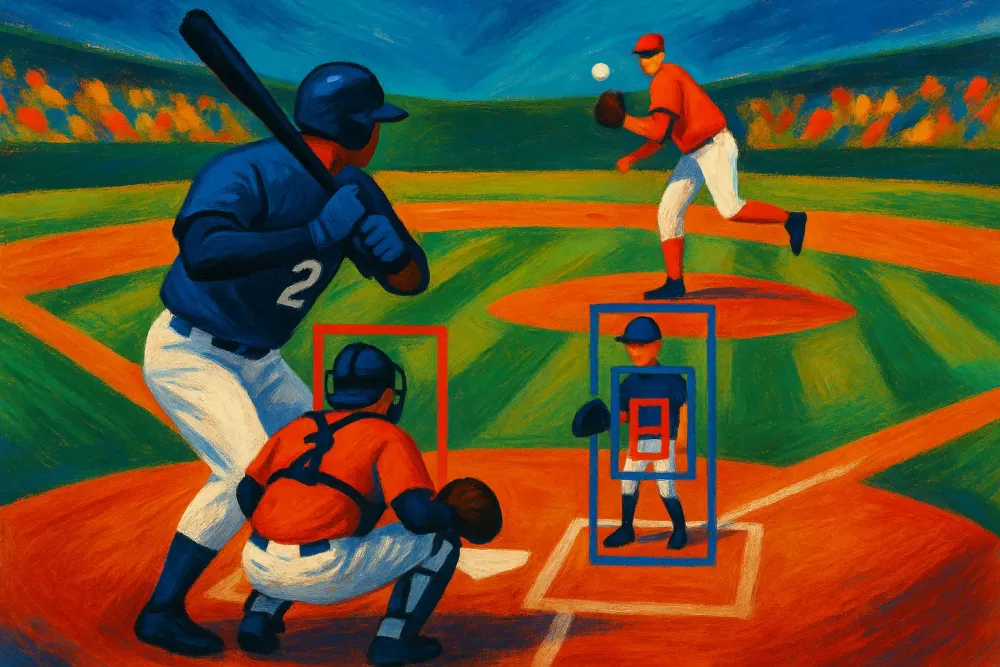
Introduction to the MLB's Automated Ball-Strike System
This spring, Major League Baseball (MLB) is introducing a significant change to its game with the implementation of the Automated Ball-Strike system (ABS). This innovative technology aims to refine the accuracy of balls and strikes, and according to a breakdown by Jayson Stark from The Athletic, it will have far-reaching implications for players during the ongoing season and beyond, as it is set to remain in place until at least the 2026 season. The introduction of ABS is not just about technology; it's altering the fundamental dynamics of how the game is played by affecting the strike zones of several prominent players.
Understanding the Automated Challenge System
The ABS will provide teams with two challenges per game to contest balls and strikes. A challenging team maintains their challenge if they are successful; however, they lose it if they are incorrect. This new rule introduces a strategic layer to the game, compelling teams to use their challenges wisely. The technology has been designed to create a more standardized strike zone).
Impact on Players' Strike Zones
One of the most significant aspects of the ABS system is the new strike zone that correlates with a player’s height. According to Stark, the upper limit of the strike zone is now adjusted specifically to match the height of each player. This adjustment means that players of varying heights will see substantial changes to how pitches are called within the strike zone.
The Case of Aaron Judge and Jose Altuve
Among the players affected by these changes are some of MLB's biggest stars, including New York Yankees' Aaron Judge and Houston Astros' Jose Altuve. Judge, standing tall at 6 feet 7 inches, will now have a significantly reduced strike zone compared to previous seasons. With the adjustments made under the ABS system, the height of the top of Judge's strike zone is set to be more than 6 inches higher than Altuve's, who stands at just 5 feet 6 inches.
This shift illustrates how the new system is not merely about technology but about tailoring the game to reflect the physical attributes of its players. While Judge's strike zone could be considered smaller owing to the adjustments made lower in the strike zone, the total height of his zone only edges out Altuve's by four inches.
The Unique Advantage for Altuve
Interestingly, for a player like Altuve, the ABS may prove advantageous in some respects. As Stark pointed out, Altuve's usual batting stance involves a notable crouch, which influences the top of his strike zone. According to sources familiar with the new strike-zone calculations, Altuve's zone is now shaped such that the upper boundary could be larger than it has been traditionally called. This means that Altuve's ability to adjust and thrive within this modified zone is crucial for his batting performance this season.
Challenges and Adjustments
This season is shaping up to be a remarkable test for hitters as they adapt to their newly defined strike zones under the influence of the ABS. With the technology altering the landscape of how pitches are judged, batters like Judge and Altuve will need to focus on adjusting their approaches at the plate. Critically, how they adapt to these changes could potentially impact game outcomes and stats throughout the season.
Conclusion: A New Era for MLB
The implementation of MLB's Automated Ball-Strike system represents a significant evolution in baseball, aiming for greater precision and fairness in the game. With the stakes rising and players like Aaron Judge and Jose Altuve navigating their various challenges, the upcoming season promises to be an exciting spectacle. As fans and analysts eagerly await to see how teams capitalize on these shifts, there’s no doubt that the new ABS will play a pivotal role in shaping the narratives of the season.