In the fast-paced world of the NBA, timing is everything. It’s often said that trading away stars can be a desperate last resort for teams, but a less-discussed topic is the perils of holding onto franchise cornerstones for too long. This article explores the cases of several NBA teams that waited too long to trade their stars, detailing how stubbornness and indecision often cost franchises valuable opportunities to rebuild and remain competitive.
Philadelphia 76ers and Ben Simmons
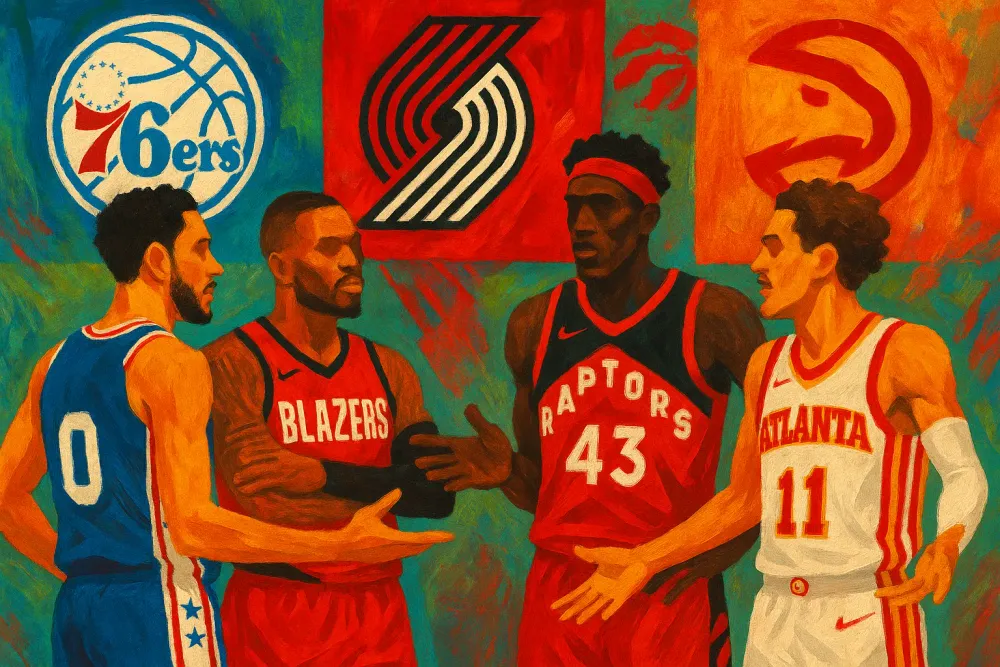
The Philadelphia 76ers faced a critical moment in 2019 when they had to choose between retaining Ben Simmons and acquiring Jimmy Butler. Sticking with Simmons may have initially seemed favorable, especially given his dual-threat capability alongside Joel Embiid. Yet, the team's lack of chemistry between the two players became evident over time, culminating in a disaster during the 2021 Eastern Conference playoffs when Simmons infamously passed up a wide-open dunk. Despite the havoc, the franchise lingered too long on a player whose trade value was already diminishing.
After a protracted holdout, Daryl Morey, the Sixers' then-executive, attempted to use Simmons as leverage to acquire James Harden. However, this trade route ultimately yielded disappointing results, especially when comparisons emerged regarding a potential deal with the Sacramento Kings that could have included rising star Tyrese Haliburton. The missed opportunities for the 76ers serve as a cautionary tale about waiting too long.
Dame Lillard and the Trail Blazers
Damian Lillard's saga with the Portland Trail Blazers represents another instance of inaction breeding regret. Despite clear signs of a changing relationship between player and franchise, both sides hesitated to initiate discussions about a potential move. Lillard's two-year, $112.6 million extension in 2022 should have been a signal to evaluate their competitive stance and initiate a change.
When Lillard finally made his request for a trade, he found himself moved to a destination outside of his preferred list, all due to the delays on both sides. Meanwhile, the Blazers managed to recoup a solid return, including Deandre Ayton, future draft picks, and Jrue Holiday, yet one cannot help but wonder if they could have optimally capitalized on Lillard's market value had they acted sooner.
Toronto Raptors and Pascal Siakam
The Toronto Raptors’ struggles highlight the pitfalls of indecisiveness during crucial contract years. With emerging star Scottie Barnes and other key decisions looming—especially after losing Fred VanVleet to free agency—the Raptors never seemed to embrace the need for strategic moves. When they eventually traded Pascal Siakam, the return was lackluster given the player's standing in the league. Siakam’s value was higher before the 2023 offseason, and missed opportunities to capitalize on his market could have left the Raptors with a more robust core moving forward.
Trae Young's Stagnation with the Hawks
Trae Young's journey has been rife with speculation about his future with the Atlanta Hawks. An uneasy tension developed as the team evaluated their direction while Young’s trade value deteriorated. He struggled with his performance and injuries, and the market changed around him—making his trade value diminish to a mere salary dump by the time Atlanta pulled the trigger on a potential deal.
While the Hawks opted to hold out for a more significant offer, they watched as Young's stock dwindled, illustrating the dangers of inaction when the trade landscape is rapidly shifting beneath you.
Milwaukee Bucks and Giannis Antetokounmpo
In Milwaukee, waiting too long to make pivotal decisions regarding Giannis Antetokounmpo could have cost them dearly. Instead of securing a lucrative return for their superstar, the Bucks attempted to build around him but failed to foresee his desires for the future. The situation escalated when he casually suggested trade talks, leaving the Bucks in a precarious position where they expected top dollar for a player whose willingness to stay was now in question. Acting sooner, rather than resorting to desperate measures, could have saved them from severe financial implications.
Ja Morant: A Volatile Situation
Ja Morant’s trajectory provides a stark warning about ignoring the signs. After a stellar 2021-22 season, the Grizzlies overlooked precarious off-court indications and let the situation fester until Morant's value plummeted. Ignoring the warning signals culminated in a trade that saw the franchise settle for far less than what could have been achieved had they acted promptly. Persisting to delay the inevitable only left the franchise spinning its wheels instead of securing a more beneficial solution.
The Case of Jaylen Brown
In a similar vein, the Boston Celtics opted to let Jaylen Brown's value peak before making a move. Although hyperperforming, his eventual trade brought a questionable return marked by aging players and unfulfilled draft picks. Many analysts argue that the Celtics had significant information long before their move to trade Brown, suggesting they underestimated the market dynamics at play and could have capitalized on his value earlier.
In conclusion, the delicate balance of knowing when to pivot with superstar players continues to challenge NBA franchises. Whether fueled by emotional attachments or misunderstanding market dynamics, inaction often leads to missed opportunities and diminished returns. These franchises serve as a reminder of the critical importance of timing in roster decisions, and the harsh realities teams face when they fail to act decisively.