Historic Sales Reshape Team Valuations
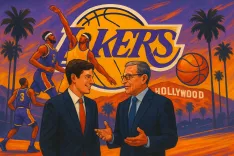
In June 2025, sports finance took a monumental turn when ESPN's Shams Charania reported that Mark Walter purchased a controlling interest in the iconic Los Angeles Lakers, valuing the franchise at a staggering $10 billion. Just a little over a year later, the basketball world was once again shaken as news broke of another Lakers sale, this time for $12.5 billion, a record for any professional sports team.
This astronomical figure not only surpasses the previous record held by the Boston Celtics—who sold for $6.1 billion earlier in 2025—but fundamentally alters the landscape of sports franchise valuations.
The Lakers and Their Powerful Legacy
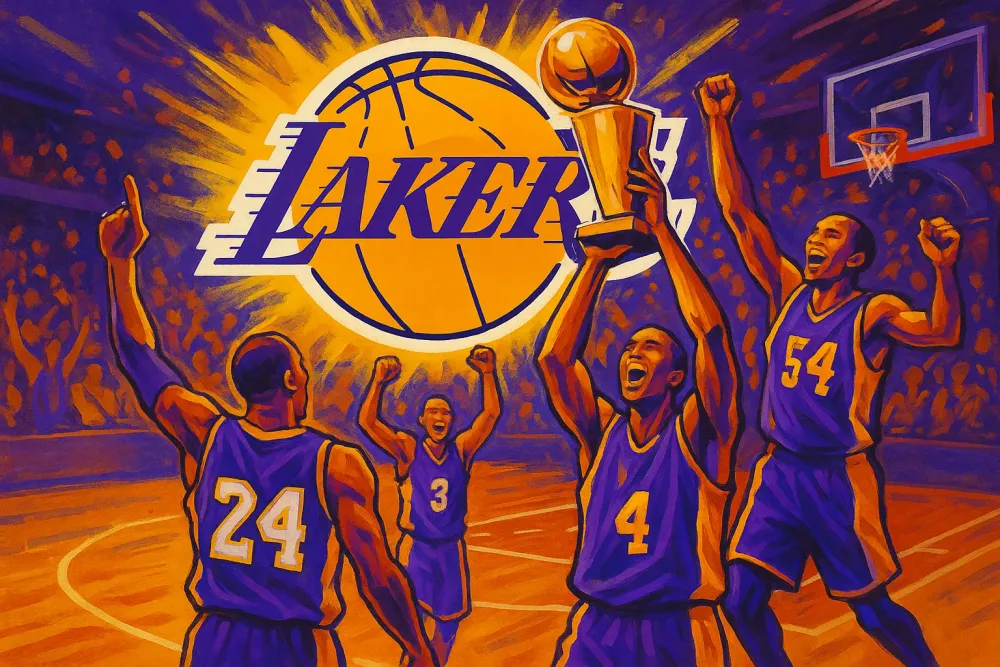
The Los Angeles Lakers are not just a basketball team; they are a cultural phenomenon. The franchise has a rich history, multiple championships, and a star-studded roster that often attracts the best talent in the NBA. This value surge reflects not just the team's storied past but also the lucrative deals from national TV contracts, generating a massive influx of cash to team owners and stakeholders.
Even without their superstar player LeBron James, who left the team in free agency, the Lakers appear well-positioned for continued success. Luka Dončić, acquired in what many consider the biggest trade in NBA history, stands as their centerpiece moving forward. As they signed promising young talent like potential franchise center Walker Kessler, maintaining competitiveness remains a priority under the new ownership.
Keeping Up with the Competition: Other Record Sales
The Lakers' recent sale doesn't exist in a vacuum. Over the last few years, the NBA has seen a trend of rapidly escalating franchise valuations. In 2023, Michael Jordan sold the Charlotte Hornets to a group led by Rick Schnall and Gabe Plotkin for $3 billion, surprising many given the Hornets' lackluster performance under Jordan.
The current valuation of the Lakers dwarfs the previous high seller's record, illustrating a robust environment for NBA teams. Other notable ownership transitions include David Tepper's $2.275 billion purchase of the Carolina Panthers in 2018, which at the time was also considered a remarkable transaction that broke existing records.
Additionally, Steve Cohen purchased the New York Mets for $2.4 billion, and Mat Ishbia acquired the Phoenix Suns for $4 billion. Cohen's aggressive investments in star players like Max Scherzer and Francisco Lindor highlight the impact of owner investment in shaping team destiny, albeit with mixed results recently for the Mets.
Implications for Future Sales and Ownership Trends
The Lakers' sale signifies a remarkable watershed moment, marking an extraordinary increase in the financial stakes for team ownership in professional sports. Such valuations signal that the NBA—and professional sports overall—are entering a new era where capital investment can lead to immediate gains in franchise worth.
Furthermore, the recent movements in franchise ownership reflect something more than market dynamics; they underscore a structural evolution. Issues like lack of salary cap in MLB allow teams to operate financially differently, impacting the valuation of franchises relative to their competitive success.
Challenges and Opportunities
While some owners have benefited enormously from their acquisitions, challenges remain. For instance, despite their high valuations, many teams struggle to maintain winning records or effectively invest in their futures. The Panthers experienced a rocky performance history post-Tepper's acquisition, reflecting how winning in professional sports can be unpredictably linked to ownership.
Moreover, owners must contend with market fluctuations and increasing demands from fans and stakeholders, which significantly impact how teams are viewed overall. Mark Walter’s unexpected decision to sell the Lakers just after a significant financial gain illustrates that ownership in sports can often resemble a game of chance.
Looking Ahead: What’s Next for the NBA?
As Mark Walter transitions the Lakers to new owners, Bob Iger and Josh Kushner, the overarching question revolves around what this surge in franchise values will mean for the future. With fans eager for continuous success, the pressure will be on the new stewardship to maintain and build upon the Lakers' storied legacy.
The recent sale dynamics may inevitably lead to even greater heights in team valuations across all sports, as owners push the envelope in their financial commitments to enhance competitiveness. For fans, the implications are thrilling, reflecting a high-stakes environment that promises to bring competitive and financial intrigue to professional sports.