Durant Defends James' Decision to Join the 76ers
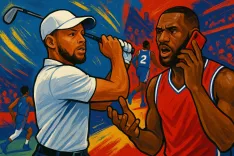
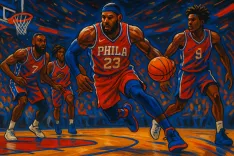
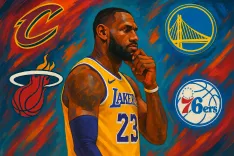
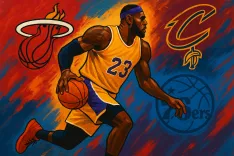
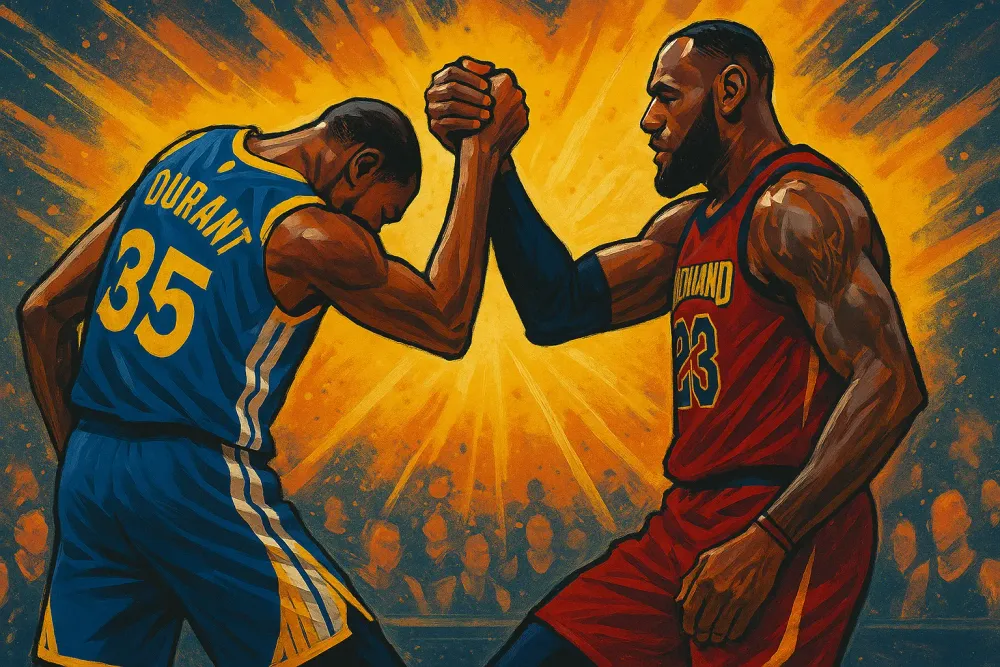
Kevin Durant has come to the defense of LeBron James following the latter's decision to join the Philadelphia 76ers on a two-year, $8 million contract. As news broke about James' move, a wave of criticism emerged from fans who argued that switching teams detracts from his legacy in the NBA. This criticism is not unfamiliar territory for James, who has faced similar backlash throughout his career.
Critique of Fandom's Legacy Standards
The core of the debate lies in the longstanding expectation among fans that true greatness in the NBA requires loyalty to a single franchise. Durant took to social media, specifically Threads, to voice his disagreement with this notion. He argued emphatically that James "embodies the game of basketball" and that such expectations are unfair, stating, "Who cares, they all played 15+ years and gave everything to the culture of sports and s--t, the world itself. All the other s--t is noise to me."
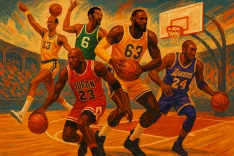
Durant's defense reflects a growing sentiment that the era of players spending their entire careers with one team is becoming increasingly obsolete. Key comparisons have been drawn between players like Michael Jordan and Kobe Bryant, who are often celebrated for their lengthy tenures with the Chicago Bulls and Los Angeles Lakers respectively. However, Durant contends that these comparisons do not take into account the larger financial and competitive landscape of the NBA today.
The Changing Dynamics of NBA Contracts
In recent years, the NBA landscape has transformed significantly due to changes in salary cap dynamics and player movement. Franchise loyalty is becoming less common as players seek the best opportunities to maximize their potential and win championships. The era in which Jordan and Bryant played saw a very different financial structure and team retention strategy. For instance, legendary talents like Derek Jeter and Clayton Kershaw are now rare examples of players who complete their careers with the same franchise.
Furthermore, Durant highlighted how recent shifts in team strategies have seen franchises willing to break up successful cores more frequently than in years past. Notably, Durant referenced the 2004 trade of Shaquille O'Neal from the Lakers, driven more by interpersonal conflicts than financial factors. In light of these changes, the mentality surrounding player legacies requires re-evaluation.
The Pressure to Win
Another aspect fueling this debate is the mounting pressure on superstars to achieve championship success. Unlike previous eras where legacy discussions were less frequent and media coverage less pervasive, present-day players find themselves under intense scrutiny. This pressure is heightened in a 24/7 news cycle that thoroughly analyzes every move a superstar makes. James, who is often juxtaposed with legends like Jordan and Bryant, has had to navigate these perceptions throughout his career.
LeBron's Quest for Titles
As James joins the Sixers, the team is assembling a roster that holds considerable promise for an NBA championship run. Alongside talents such as Jaylen Brown, Tyrese Maxey, VJ Edgecombe, and Joel Embiid, James aims to secure his fifth title, further solidifying his legacy in the annals of NBA history. The idea that he must stay with one franchise to achieve greatness is increasingly viewed as an outdated perspective, especially if he can lead Philadelphia to championship glory.
A New Era of Legacies
Durant’s remarks indicate a broader shift in how basketball legacies are defined—moving beyond blind loyalty to a franchise toward a more nuanced understanding of player impact and achievements. The perception of greatness will likely continue to evolve as newer stars emerge and player mobility becomes commonplace. In the end, Durant’s defense serves as a reminder that what truly matters is the individual contributions and sacrifices made by players throughout their careers, regardless of their team affiliations.