Rangers Draft Challenges Ahead
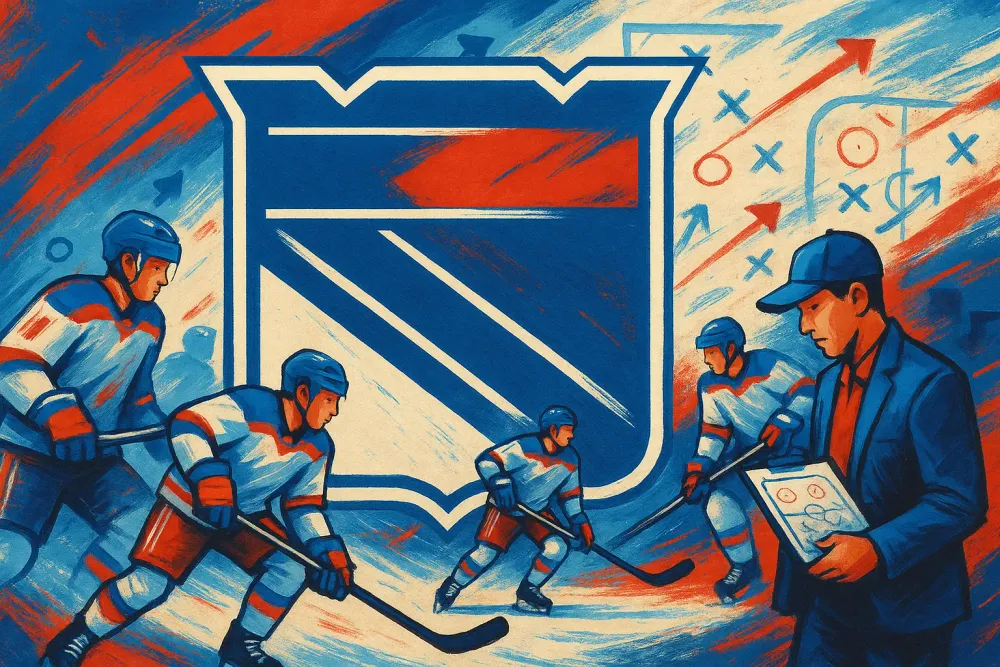
The New York Rangers' situation ahead of the 2026 NHL Draft presents a daunting challenge as they find themselves slotted at fifth overall. While the excitement of the draft typically brings hope for possible solutions to a team's struggles, the Rangers will not find an escape hatch that readily addresses their pressing issues. Unlike the past drafts featuring star players like Connor McDavid and Jack Eichel in 2015, or John Tavares and Victor Hedman in 2009, this year's top picks—Gavin McKenna and Ivar Stenberg—likely won't provide the instant impact that teams crave.
Understanding the Top Talents
McKenna and Stenberg are projected as high-caliber talents for the future, with potential to become standout players in the NHL. However, right now they are more fitting as strong supporting players for established stars like Auston Matthews and Macklin Celebrini, rather than immediate game-changers for the Rangers. While several great players will emerge from this draft, including those selected from the third pick onward, it remains to be seen how the Rangers will evaluate the available talent. From the third position onwards, there are a collection of six or seven prospects who could be ranked in various orders, creating a complicated selection dilemma.
Rangers’ Scouting Approach
Fortunately for the Rangers, their scouting department, led by John Lilley, has shown substantial capability. Lilley combines knowledge of the modern game with a robust blend of data, video analysis, and on-the-ground scouting. His successful history with the Toronto Maple Leafs showcases a high conversion rate of draft picks into NHL players, and he has also identified several strong prospects during his time with the Rangers. Nevertheless, the imminent draft presents not just a test of scouting ability, but also a significant examination of the Rangers' development strategies.
Strategic Development Concerns
Developing talent effectively has been a challenge for the Rangers, particularly with defensemen. Top prospects like Keaton Verhoeff and Chase Reid will rely on sound coaching and a solid development environment to reach their utmost potential. Verhoeff, for example, requires improvement in skating to become a top-tier defenseman. Reid, on the other hand, needs hands-on coaching to refine his decision-making skills, particularly during his time in the AHL. With recent changes to the coaching staff for the Hartford Wolf Pack, it is crucial that the Rangers find capable leaders who can nurture young talent effectively.
The Need for a Cultural Shift
Historically, the Rangers have faced challenges in maximizing the potential of their drafted players. Despite having raw talent, such as Scott Morrow, Nils Lundkvist, and K'Andre Miller, many did not fully realize their capabilities while playing in New York. The next choice for the Rangers, should Caleb Malhotra still be available at fifth overall, will not just be based on talent alone. Malhotra's intelligence on the ice suggests he could become an effective center, but how he is developed will be vital in determining whether he turns into a first-line asset or struggles to make an impact.
The Long Road Ahead
The Rangers' fifth overall selection emphasizes that their decision-making processes extend far beyond just selecting the right player. The environment created for the player, the coaching support, and the overall organizational culture will have monumental effects on the prospect's trajectory. History has shown us that top picks at this level often take years to fully develop into impactful players. For instance, notable fifth overall selections like Jake Sanderson, Cutter Gauthier, and Phil Kessel needed several seasons to mature and establish their presence in the league.
A Move Away from Quick Fixes
As the Rangers prepare for the draft, the present trajectory highlights the league's evolution from quick fixes to organic development. Given that a new star will not resolve the team's ongoing problems, this draft may instead signify a critical juncture in their rebuilding strategy. Previous lottery gains, such as Alexis Lafrenière and Kaapo Kakko, created illusions of instant recovery that ultimately hampered the team’s foundation. Now, the Rangers' fifth overall pick reinforces that there are no simple answers to their struggles, and the franchise must focus on sustainable growth rather than relying on immediate success.
In a world where quick fixes are often sought, the Rangers now have the opportunity to embrace a long-term vision for building a competitive team. With a conscientious approach to scouting and unyielding commitment to developing talent, the New York Rangers can navigate this pivotal moment, laying the groundwork for enduring success in the seasons ahead.