Historic Rise in NHL Salary Cap
The NHL is set to make history as the salary cap breaks the $100 million barrier for the first time, climbing to $104 million ahead of the 2026-27 season, according to Sportsnet's Elliotte Friedman. This remarkable increase of $8.5 million represents a significant shift in the financial landscape of professional hockey, providing players with new earning potential and altering roster-building strategies for teams.
A New Maximum Salary
With the salary cap reaching this unprecedented level, players will be able to earn as much as 20 percent of the cap. As a result, the maximum yearly salary will soar to an impressive $20.8 million. This opens up new avenues for star players to negotiate lucrative contracts, potentially leading to changes in how teams allocate their salary resources.
Cap Floor Adjustments
Alongside the rise in the salary cap ceiling, the cap floor is also increasing, this time by $6.3 million to reach $76.9 million. The previous season’s ceiling was $95.5 million, resting above a floor of $70.6 million, demonstrating a dynamic shift in the league’s economic framework. This change impacts teams at both ends of the financial spectrum, pressuring those operating under the cap floor to enhance their rosters significantly during the offseason.
Future Projections and Implications
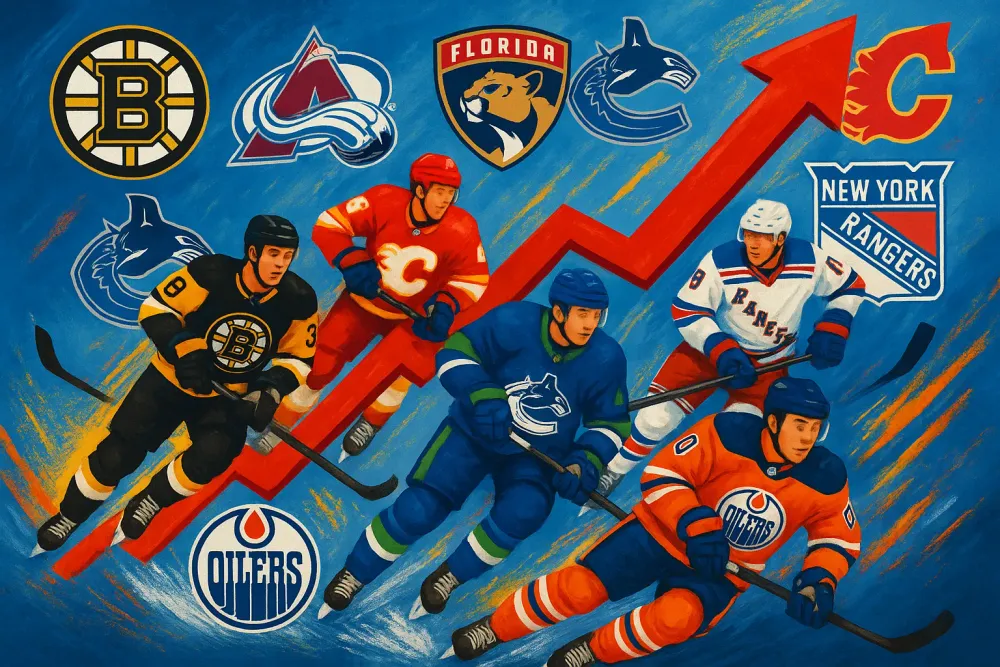
The NHL is not stopping here; expectations are set for yet another rise in the salary cap, with a projected increase of $9.5 million for the 2027-28 season, potentially elevating the cap ceiling to $113.5 million and the floor to $83.9 million. This progressive upward trajectory suggests the league is recovering robustly from the pandemic-induced financial challenges it faced between 2019 and 2021, during which the cap remained stagnant at $81.5 million. Following that period, the league saw modest increases, but with the new projections, it appears teams can once again plan for more substantial roster adjustments.
Team Strategies Under the New Cap
The landscape change has significant implications for roster building, especially for teams like the Toronto Maple Leafs, who struggled in previous seasons after committing to major contracts just before the cap stabilization. The new cap environment allows teams to reassess their strategies, potentially enabling them to pursue more high-caliber talent as financial limitations ease. As teams like the Colorado Avalanche and the Vegas Golden Knights exceed the projected cap, it underscores the competitive benefits that come with effective salary management.
Teams Needing Cap Compliance
As the cap floor rises, several teams are expected to make moves to ensure they remain compliant. According to PuckPedia, ten teams will need to spend considerably this offseason to meet the new minimum threshold. Among these teams are notable franchises such as the Seattle Kraken, Nashville Predators, and Detroit Red Wings. This fiscal responsibility becomes essential for these organizations to compete effectively within the league's evolving financial structure.
Top Earners in the League
As the salary cap evolves, players are poised to significantly benefit from these changes. Currently, Minnesota Wild forward Kirill Kaprizov is set to have the highest cap hit at $17 million next season. However, this figure could soon be eclipsed as notable stars like Auston Matthews of the Toronto Maple Leafs and Connor McDavid of the Edmonton Oilers become extension-eligible next summer. Their massive marketability and performance records make them prime candidates for contracts that could reshape the salary cap landscape once again.
Conclusion
The rising NHL salary cap marks a new chapter in the league's history, allowing teams to explore new financial strategies and enhancing player earning potential. The increased cap ceiling fosters a more competitive environment, enabling teams to attract top talent—all while navigating the pressing demands of the new cap floor. As the NHL prepares for this transformative era, the upcoming seasons will surely redefine how franchises build their teams.