Pittsburgh Steelers Face Major Changes After Tomlin's Resignation
Introduction
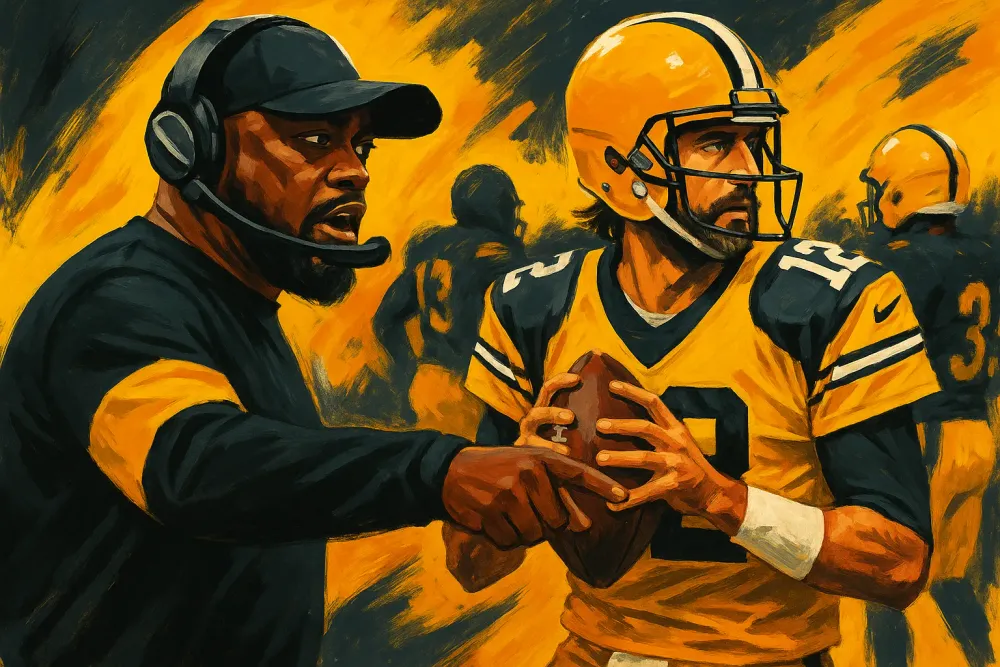
In a shocking turn of events, Mike Tomlin has officially resigned as head coach of the Pittsburgh Steelers, marking the end of an era for one of the NFL's most storied franchises. Having held the position for 19 seasons, Tomlin leaves behind a legacy of consistency, but also a growing concern about the team's direction following a disappointing campaign this year. As the Steelers find themselves at a crossroads, the question arises: what’s next for this proud franchise?
A Legacy of Consistency
Since 1969, the Steelers have seen only three head coaches—Chuck Noll, Bill Cowher, and Mike Tomlin—each of whom has led the team to Super Bowl victories. Under Tomlin, the Steelers have boasted an impressive record, never finishing a season with a losing record. In 2025, the team recorded a 10-7 season and claimed the AFC North title, a feat that underscores Tomlin's ability to maintain competitiveness in a challenging league.
Significant Struggles
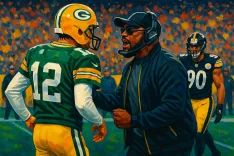
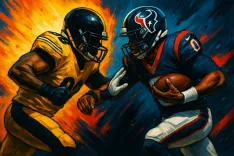
Despite his impressive tenure, recent years have seen the franchise slip into mediocre performances. The team's challenges at the quarterback position have been particularly glaring since the retirement of legendary quarterback Ben Roethlisberger in 2021. The latest attempt to fill the void came with the acquisition of 42-year-old Aaron Rodgers. Unfortunately, the Steelers' most recent outing resulted in a humiliating 30-6 loss to the Houston Texans, marking the worst home playoff defeat in franchise history.
The Need for a Reset
Tomlin's resignation signals a critical moment for the Steelers, who now face the need for a full re-evaluation of their strategy. As the franchise attempts to recapture its former glory, there's a clear acknowledgment that substantial changes are necessary. Beyond the coaching staff, there is urgency in addressing the quarterback situation to avoid continued mediocrity. In the eyes of many, the team's insistence on temporary fixes has rendered the organization stagnant, diminishing its competitive edge.
Rodgers Weighs In
After the loss, Aaron Rodgers voiced his disbelief about Tomlin potentially being on the hot seat. “When I first got in the league, there wouldn't be conversation about whether those guys were on the hot seat,” he remarked, emphasizing the evolving landscape of the NFL. While Rodgers provides a wealth of experience, even he couldn't elevate the team's performance amid persistent struggles.
Playoff Woes
Historically, Mike Tomlin has been successful, with a commendable playoff record, but recent patterns paint a different picture. The last time the Steelers won a playoff game was in 2016 against the Kansas City Chiefs. Since then, the Steelers have faced elimination six times, each time by double digits, which has raised serious concerns about their postseason capabilities. Tomlin himself has stated that “words are cheap,” emphasizing the need for action instead of hollow promises.
Assessing the Future
With the Steelers' recent struggles, questions abound regarding Tomlin’s future, as well as that of the team's management. While Tomlin is respected and would likely have offers from other franchises, there is recognition of the larger issues plaguing the team. General Manager Omar Khan's role is also in question as the Steelers undergo a necessary evaluation of leadership roles.
Championship Aspirations
The Steelers have long been considered one of the NFL's flagship franchises, built on a foundation of toughness and excellence. However, the repeated failures in the playoff landscape have forced the team to confront its identity. With a history of successful head coaches who have left when changes were overdue, the Steelers may find themselves at a pivotal crossroads. If they wish to rise from the mediocrity of recent seasons, they must confront the uncomfortable reality of needing a complete rebuild.
Conclusion
The resignation of Mike Tomlin marks the end of a significant chapter for the Pittsburgh Steelers, a franchise that has overcome adversity in the past but now stands at a precarious junction. Moving forward, the team must decide whether they wish to continue to aim for a playoff spot or take a gamble on an overhaul that could restore them to championship form. As the old adage goes, “If you always do what you've always done, you'll always get what you've always got.” Now more than ever, the Steelers are faced with the challenge of either embracing change or remaining trapped in a cycle of mediocrity.