NFL Trade Market Heats Up as Chiefs Acquire DeAndre Hopkins
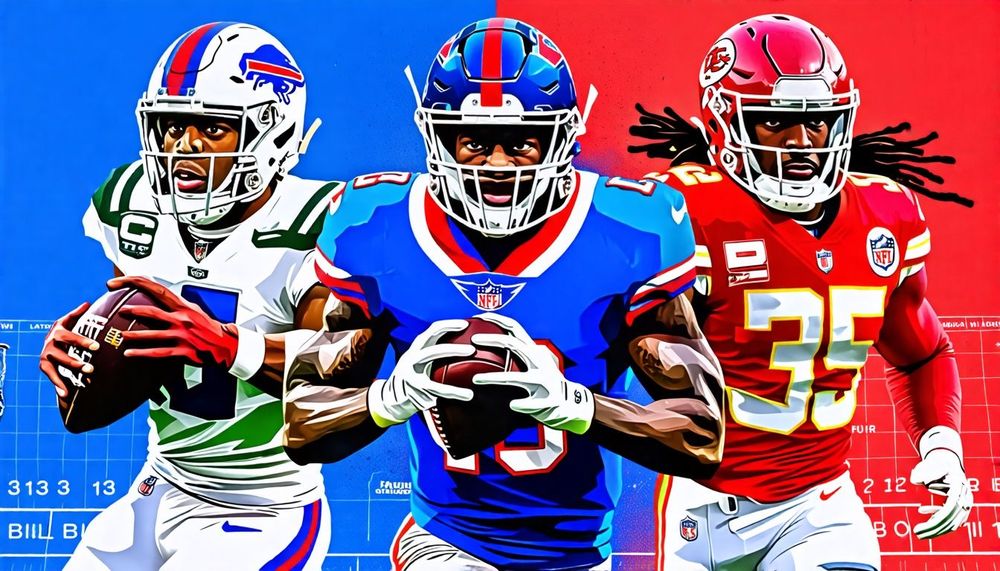
On Wednesday, Ian Rapoport of NFL Media reported that the Kansas City Chiefs are finalizing a deal to acquire DeAndre Hopkins from the Tennessee Titans in exchange for a conditional fifth-round pick that can be elevated to a fourth-round selection. This trade comes approximately a week after the New York Jets and Buffalo Bills made significant moves, acquiring Davante Adams and Amari Cooper, respectively.
According to Adam Schefter from ESPN, the Jets secured Adams from the Las Vegas Raiders in exchange for a conditional 2025 third-round pick, which could convert to a second-rounder contingent upon Adams' performance and presence on the team's roster for key postseason games. The Cleveland Browns traded Cooper alongside a 2025 sixth-round pick to the Bills, receiving a 2025 third-round pick and a 2026 seventh-rounder in return. The short-term implications of these transactions are noteworthy, and further player movements are anticipated leading up to the November 5 trade deadline.
The acquisition of Hopkins appears to be a strategic move for Kansas City, especially after the Chiefs lost both Marquise Brown (shoulder) and Rashee Rice (knee) for an extended period, with Brown potentially returning during postseason play. JuJu Smith-Schuster is also managing a hamstring injury. While Hopkins has recorded just 15 catches for 173 yards and one touchdown this season, he is still expected to provide value to Kansas City's offense, which typically adapts to various skill sets rather than relying heavily on a singular star.
Notably, head coach Andy Reid's adaptability and quarterback Patrick Mahomes' ability to exploit defensive weaknesses make this addition favorable. The Chiefs' decision to trade for Hopkins instead of pursuing the more expensive option in Los Angeles Rams wideout Cooper Kupp reflects their desire for a cost-effective enhancement. Although the Rams were rumored to seek a second-round pick for Kupp, the Chiefs found a more budget-friendly alternative in Hopkins.
The Titans, while likely hoping for more substantial compensation for Hopkins, benefit from this deal as they focus on rebuilding for the long term. While losing a top pass-catcher might hinder immediate offensive production for second-year quarterback Will Levis, the trade aligns with Tennessee's forward-looking strategy. Given Levis' injury concerns and performance inconsistency, the Titans appear poised to pursue a future quarterback in the upcoming 2025 draft.
The Titans have positioned themselves to potentially secure a higher first-round pick through this trade while also increasing their draft capital for future transactions. Though the immediate return may not be overwhelming, acquiring value for a 32-year-old receiver on the brink of free agency provides a net positive for the organization. Furthermore, Tennessee engaged in another trade, sending linebacker Ernest Jones IV to the Seattle Seahawks in exchange for linebacker Jerome Baker and a fourth-round draft pick.
From a transactional standpoint, this exchange may not raise many eyebrows, but it is a calculated move for both franchises. Baker and Jones both play inside linebacker and are set to become free agents in 2025, making the swap logical. Tennessee's acquisition of Jones from the Rams for a late-round pick swap just months prior makes this a savvy decision, enabling the Titans to capture a higher draft pick and a player who might fill a similar role.
In light of these trades, Seattle benefits from acquiring Jones, a younger player (he will not turn 25 until the end of next month) with promising statistics, including 364 tackles, 5.5 sacks, 14 passes defended, and three interceptions in his career. Head coach Mike Macdonald's goal to enhance the defensive unit aligns well with Jones' skill set, and his addition could signal longer-term improvements for the Seahawks.
The recent trade activity is not limited to just Kansas City and Tennessee. Following Davante Adams' uncertain remarks regarding his future with the Las Vegas Raiders, it became apparent that a trade was forthcoming. Ian Rapoport indicated that Adams expressed a desire to play elsewhere, leading the Raiders to accommodate his request. In return, they received a Day 2 draft pick, a reasonable return for a 32-year-old receiver. The Raiders were commended for their trade decision, receiving a B-plus grade for the transaction, as this outcome was viewed as optimal given the timing and circumstances.
Meanwhile, the New York Jets, motivated by a desire to bolster their 16th-ranked aerial attack, pursued Adams in an effort to reinforce their playoff aspirations. The reunion of quarterback Aaron Rodgers with Adams is expected to revitalize the team's passing game, although opinions on the trade's effectiveness varied. Critics viewed this move as desperate given the Jets' situation, earning the team a C-plus grade for their efforts.
The Buffalo Bills monitored the Adams situation but ultimately turned their attention to acquiring Amari Cooper following the Jets' trade. Cooper's performance, characterized by a career-low in receiving yards per game, raises questions about his fit in a struggling offense under quarterback Deshaun Watson. The Bills made an astute move by securing Cooper at a favorable expense compared to the potential costs of Adams.
As for the Cleveland Browns, they appeared to acknowledge their playoff chances dwindling and decided to part with Cooper for a solid return on investment. General manager Andrew Berry's decision to trade a valuable asset reflects the challenges faced within the organization, specifically concerning Watson's performance. Despite acquiring decent draft capital, the Browns identify themselves in a problematic situation exacerbated by significant financial commitments to Watson.
Additionally, the Minnesota Vikings added depth to their running back corps by trading for Cam Akers from the Houston Texans. This move was a calculated response to injuries affecting their roster, particularly Aaron Jones. The Vikings are optimistic about Akers' capacity to contribute quickly, while the Texans appear willing to part with a player whose role had been diminished amid a healthy returning backfield.
As teams assess their rosters and aim to optimize their situations before the trade deadline, several prominent players may find themselves changing teams. One player sparking ongoing trade discussions is cornerback Marshon Lattimore of the New Orleans Saints, whose availability could signal a turning point for the franchise given their recent struggles. Similarly, edge rusher Haason Reddick of the New York Jets is pursuing a new contract, leaving his future in doubt despite the Jets' insistence that he won't be traded.
Rachaad White of the Tampa Bay Buccaneers, while contributing to a three-man backfield, may also be on the trading block as the team navigates its offensive options. Lastly, the situation surrounding rookie quarterback Bryce Young of the Carolina Panthers continues to unravel, leading to speculation about a potential trade as the team searches for new ways to reshape its future.