Changing the Game: A New Approach to NBA Draft Odds
In an effort to combat the rise of tanking in the NBA, Commissioner Adam Silver is spearheading a reform that aims to recalibrate the draft lottery system. This proposed initiative seeks to discourage teams from deliberately losing games to secure a better position in the draft by altering their odds and introducing potential penalties.
Key Proposals for Anti-Tanking Reform
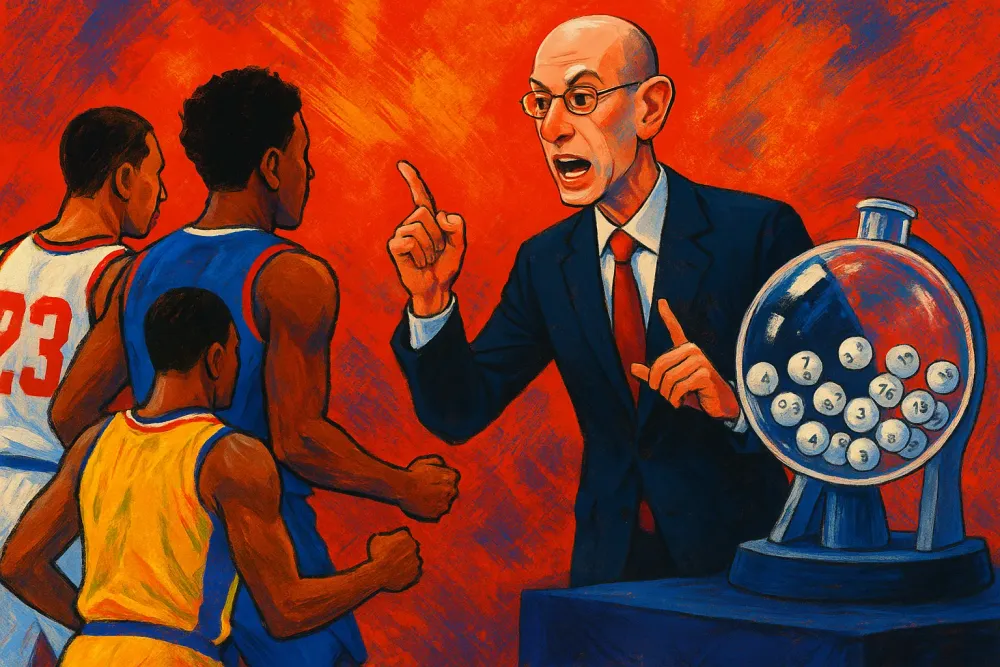
During a recent appearance on Stephen A. Smith's radio show, Silver outlined a proposal that he will present to team owners at the end of May. The backbone of this strategy involves instituting "flat odds" for the draft lottery. The fundamental premise is simple: teams should have no incentive to lose games intentionally. This change would work in tandem with a proposed system of draft relegation, indicating that teams finishing in the bottom three would find themselves at a disadvantage when it comes to securing top draft picks.
“What we've essentially done... is to create a system of flat odds, so that you have no particular incentive to be bad,” Silver explained, indicating that the revised system would introduce more competitive balance. Under this model, the bottom three teams would have worse odds than those finishing just above them, potentially reducing the incentive for failure.
The Mechanics of the New System
The proposed changes include a paradigm where teams with the worst records do not automatically receive the best lottery odds. Specifically, those bottom-three teams would be assigned only two lottery balls, meaning they would have a significantly diminished chance to land the coveted No. 1 overall pick. In contrast, the remaining teams that miss the playoffs would each receive three lottery balls, ensuring that their chances of climbing the draft order are proportionally higher.
This new structure also addresses concerns regarding teams that might otherwise benefit from stacking top picks in consecutive seasons. The proposals stipulate that no team could secure the No. 1 overall pick in back-to-back seasons, nor could they earn a top-five pick in three consecutive years, effectively promoting a more balanced competitive landscape.
Implications of Draft Lottery Changes
Silver's vision for draft reform does not stop at flat odds. He offered insights into the league's capability to directly influence teams that engage in tanking. According to Silver, the league would possess heightened authority to modify teams' odds should they demonstrate a lack of competitiveness. For instance, if a team is perceived to be tanking, the NBA could withhold lottery balls, thereby impacting their potential draft position.
This represents a significant development of the Player Participation Policy introduced at the beginning of the 2023-24 season, through which the NBA can impose fines on teams for deliberately sidelining star players during critical games. Earlier this season, both the Jazz and Pacers were penalized for employing strategies that hinted at tanking, further reinforcing the league's commitment to maintaining integrity.
Feedback from GMs and Future Steps
In April, ESPN's Shams Charania reported that NBA officials had already shared these anti-tanking draft reforms with the league's 30 general managers. The proposal, termed the "3-2-1 lottery" system, has sparked debates amid franchises that might need to recalibrate their future strategies based on newfound restrictions. As it stands, general managers are cautious but intrigued, aware that these reforms may affect how they construct teams and approach the final phases of the season.
The looming decisions surrounding the proposed measures indicate a transitional phase for the league, pushing teams to rethink their long-term strategies and accountability related to player participation and overall competitiveness. Silver articulated that the goal was to ensure every team competes until the very end of the season and to preserve the spirit of competition among teams.
Looking Ahead: The Future of NBA Draft
As the NBA prepares to push forward with these reforms, teams will need to adapt to a potentially altered landscape where tanking is no longer rewarded. Silver's proactive stance on ensuring fair competition suggests that the league is dedicated to fostering an environment where success is achieved through merit rather than manipulation.
Ultimately, these proposed changes could enhance the integrity of the NBA and promote a spirited competition that benefits both teams and fans alike. Draft reform is fast approaching, and how teams respond will shape the future of the league for years to come.