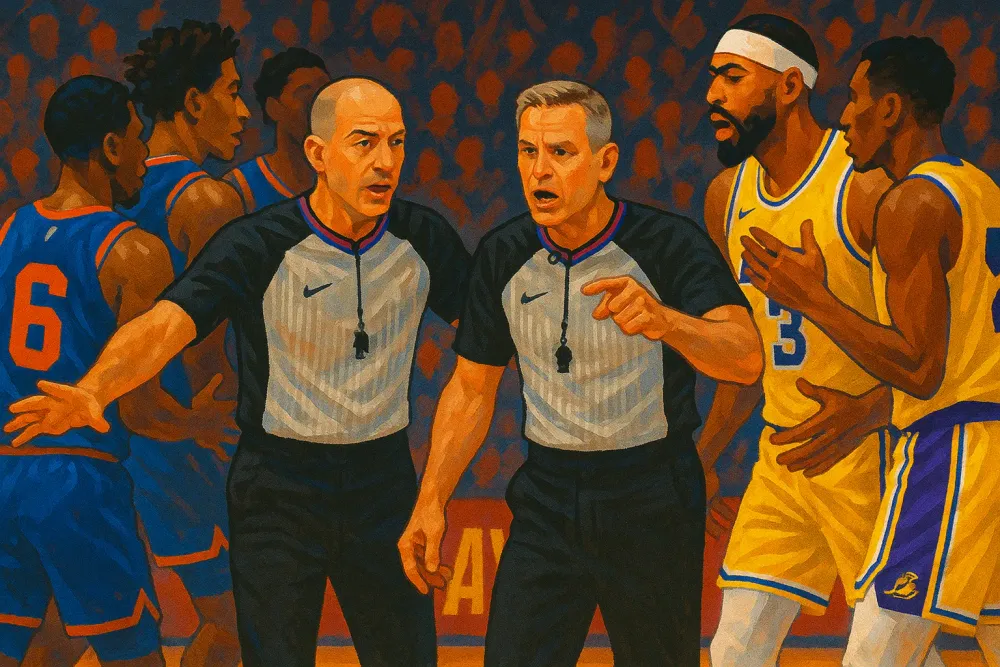
The National Basketball Players Association (NBPA) has unveiled its annual survey assessing how players perceive the performance of referees across the NBA. This year, 26 officials achieved Tier 1 status, which identifies them as the "elite and top performers" in the league. Among this esteemed group, Zach Zarba stands out, claiming the top spot as the most highly regarded official in the eyes of the players. Meanwhile, veteran referee Scott Foster, known for being one of the league's most contentious officials, was placed in Tier 2.
Understanding the Tier Rankings
The NBPA established a tier system to rate officials, which aims to highlight the varying levels of performance among the referees. Tier 1 is reserved for those officials who consistently demonstrate exceptional skills and judgment, thereby earning the trust and respect of the players. In addition to Zarba, Bill Kennedy also made the Tier 1 cut, showcasing a blend of experience and effectiveness that resonates well with the athletes.
The placement of officials into these tiers can have significant ramifications for the postseason, as the union has advocated that only referees from the top two tiers should officiate playoff games. With the stakes extremely high during the playoffs, the performance of the officials attracts heightened scrutiny from players, coaches, and fans alike. The union's recommendation is that referees in Tier 1 should specifically officiate the Finals, underlining the need for a high standard of officiating at the game's most critical juncture.
Key Insights from Players
Grant Williams, a forward for the Charlotte Hornets and first vice president in the NBPA, shared valuable insights regarding what qualities players appreciate in referees. He emphasized that the best officials are those who are great communicators and capable of acknowledging their mistakes. “As long as you're calling a game consistently, guys are willing to adapt,” said Williams. He highlighted that mutual respect is crucial between referees and players, adding that understanding different personalities is essential to maintaining control over the game.
The importance of communication cannot be overstated; when officials can effectively convey their decisions and rationale to the players, it often leads to a more harmonious relationship on the court, reducing the potential for heated confrontations.
The Impact of Officiating on Playoff Dynamics
Officiating remains a vital, often contentious subplot during the NBA playoffs. As the competition intensifies and every point counts, coaches and players may feel that their team is unfairly treated by officiating, especially concerning fouls. According to a recent report by the Associated Press' Tim Reynolds, the number of personal fouls during the 2026 postseason has risen by 11% compared to the regular season. This spike in fouls illustrates a trend towards a more intense and physical style of basketball that inevitably leads to more infractions.
While fans may prefer to witness high-scoring games rather than a barrage of free throws, the alternative—allowing excessive physicality—can lead to grievances about inconsistent officiating. Striking a balance between allowing physical play and maintaining control of the game is a perennial challenge for referees, particularly in the heightened atmosphere of playoff games.
NBA's Referee Operations and Player Engagement
Despite the NBPA's desire to influence the selection of officials for the playoffs, the ultimate decision lies with the NBA Referee Operations department. This department incorporates various metrics, including team rankings, as part of its methodology in creating the postseason officiating pool. The transparency and fairness of this selection process can be a point of contention among players who feel strongly about deserving the best-qualified referees for playoff action.
The dialogue between players and the league regarding officiating standards is crucial not only for the integrity of the game but also for fostering an environment where athletes can compete unhindered by concerns over officiating biases or errors. As discussions continue, the importance of referee performance will remain at the forefront of the NBA narrative, especially as teams gear up for the play-in tournaments and the quest for the championship.
Looking Ahead to the Postseason
As the playoffs approach, the pressure intensifies on referees to deliver exceptional performances devoid of controversy. The players’ survey results clearly indicate that they desire clarity and decisiveness from their officiating crews. The ongoing assessment and re-evaluation of referee performance by the NBPA suggests that officiating will be under close scrutiny, potentially impacting players’ experiences on the court as they vie for a coveted spot in the playoffs.
Ultimately, the quest for seamless and effective refereeing is as much about respect and understanding as it is about enforcing the rules. As the league moves forward, both the players and the referees will need to facilitate a collaborative approach to ensure a fair and thrilling postseason for everyone involved.