Tragic Loss of a Trailblazer
The basketball world is mourning the loss of Jason Collins, who passed away at the age of 47 following a courageous battle with glioblastoma, a form of brain cancer. The NBA released a heartfelt statement on behalf of Collins' family, expressing their deep sorrow: "We are heartbroken to share that Jason Collins, our beloved husband, son, brother, and uncle, has died after a valiant fight with glioblastoma." Collins was not only known for his contributions on the court but also as a groundbreaking figure in sports history.
A Journey of Inspiration and Courage
Jason Collins made headlines in 2013 when he became the first active player in a major American team sport to come out as gay while still playing in the NBA. His courageous announcement came in a Sports Illustrated article where he stated, "I didn't set out to be the first openly gay athlete playing in a major American team sport. But since I am, I'm happy to start the conversation." His decision sparked widespread discussions about identity and acceptance in sports, giving hope and inspiration to countless individuals and promoting inclusivity within the NBA and beyond.
NBA Commissioner Adam Silver acknowledged Collins' profound impact on the league and the sports community at large. He noted, "Jason Collins' impact and influence extended far beyond basketball as he helped make the NBA, WNBA and larger sports community more inclusive and welcoming for future generations." Silver commended Collins for exemplifying outstanding leadership and professionalism throughout his 13-year NBA career.
Collins' Tenure in the NBA
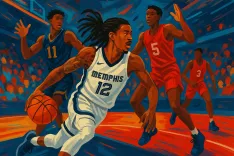
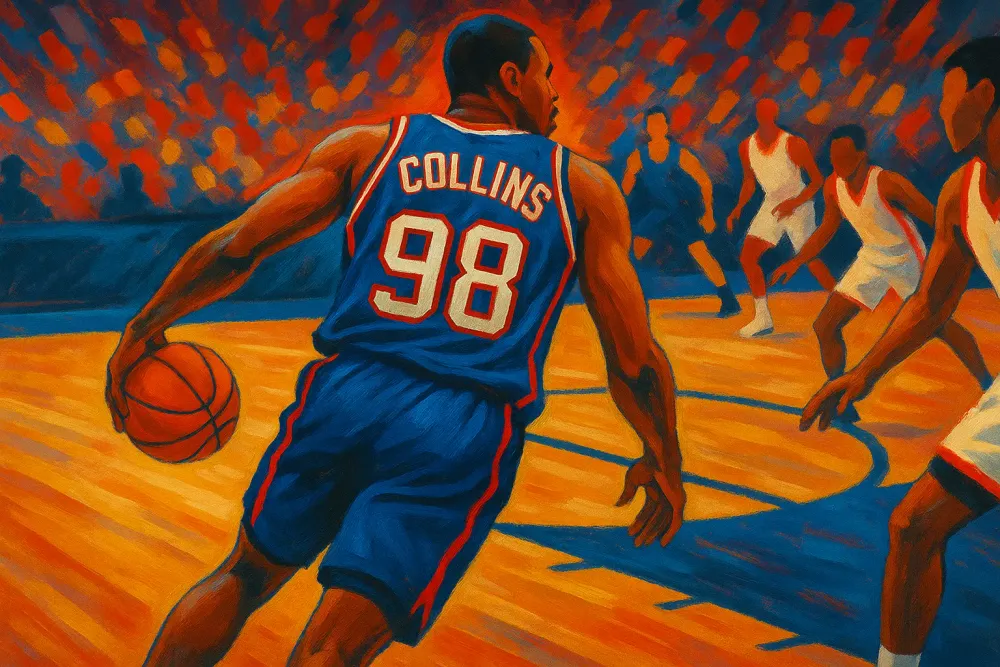
Collins began his NBA journey as a first-round pick in the 2001 NBA Draft and had a career that spanned over a decade. His journey took him through several teams, including the New Jersey/Brooklyn Nets, Memphis Grizzlies, Minnesota Timberwolves, Atlanta Hawks, Boston Celtics, and Washington Wizards. He played a total of 735 regular-season games and made 95 playoff appearances, averaging 3.6 points and 3.7 rebounds per game.
Despite his relatively modest career statistics, Collins' significance transcended numbers. He was an embodiment of resilience, breaking barriers for LGBTQ+ athletes in a patriarchal and traditionally conservative sports landscape. Collins received a warm welcome from the Brooklyn Nets when he returned to the NBA in 2014 after coming out, underscoring how sports organizations have started to embrace diversity and inclusivity.
The Fight Against Glioblastoma
In the months leading up to his death, Collins bravely fought against stage 4 glioblastoma. Reports indicated that he traveled to Singapore last winter for experimental treatments but ultimately succumbed to the disease, passing at home surrounded by loved ones. His journey through this difficult time highlighted his strength and the immense love and support from family and friends.
Ramona Shelburne from ESPN covered Collins' journey and reported his reflections about the importance of his coming out: "When I chose to come out, there was no scandal or anything... just so everyone knows cards on the table, this is where I am." This openness about his identity, coupled with his determination to play at the highest level, made him a beacon of hope for many.
Legacy and Rememberance
Collins leaves behind a lasting legacy, not only as an accomplished athlete but also as a champion of love and acceptance. His commitment to advocating for LGBTQ+ rights in sports has paved the way for future generations of athletes to live authentically without fear of judgment. He often referred to the common goal of equality and acceptance, making it clear that his fight was not just about himself but for others like him.
He is survived by his husband, Brunson, as well as his parents and brother, Jaron Collins, who also had a stint in the NBA. Collins’ family expressed their gratitude for the support they received during his illness and for the love that Jason inspired in so many.
As the NBA and the broader sports community reflect on the life of Jason Collins, his legacy as a player, a pioneer, and a person will continue to resonate. The warmth he brought to friendships and the change he catalyzed in sports culture will not be forgotten. His contributions carved out a new path for future athletes, ensuring that they can play the game they love while being their authentic selves.