As Major League Baseball (MLB) gears up for the 2026 season, the league is not shying away from innovation. The addition of the Automated Ball-Strike Challenge System (ABS) is just one of the many changes being tested, as MLB looks to modernize the game and enhance the experience for players and fans alike. This article will delve into the latest experiments announced by MLB, including challenges on checked swing calls, alterations to base placements, and new pitcher regulations.
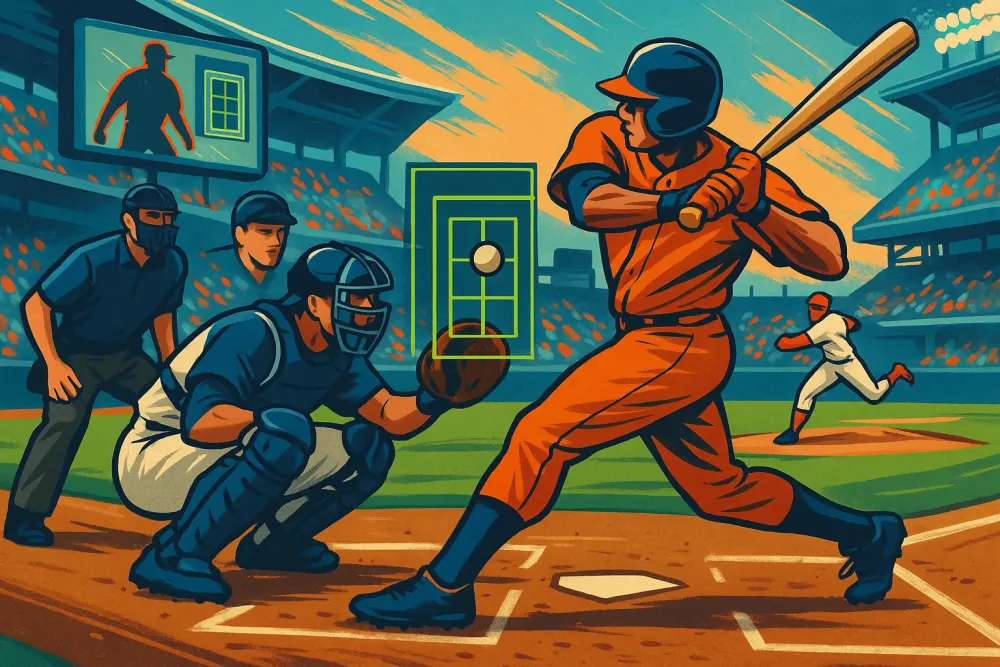
The Automated Ball-Strike Challenge System (ABS)
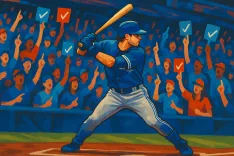
The ABS has already had a significant impact on how the game is played by incorporating technology into one of the most debated aspects of baseball: ball and strike calls. Currently, under the ABS rules, teams have two challenges to appeal calls made by human umpires. If a challenge is successful, the team retains its challenge, creating a more strategic element to the game.
Checked Swing Challenges Expand
One of the newest enhancements to this technology is the trial expansion of challengeable checked swing calls. Since May of last year, MLB has been experimenting with allowing teams to challenge whether a batter swung at a pitch in the Class A Florida State League, then extending the experiment to the Arizona Fall League. Now, in a significant move, the league will introduce this challenge system to the Triple-A Pacific Coast League, with the trial set to commence on May 5. This shift marks a critical step up for the challenge system, as Triple-A is one step away from the Major Leagues.
The parameters for what constitutes a swing have also been clarified. According to a memo from MLB Vice President of On-Field Strategy Joe Martinez, a swing will be considered to have occurred if the maximum angle between the bat head and bat handle exceeds 45 degrees. This standardized definition aims to eliminate ambiguity and promote fairness in adjudicating close calls.
Changes to Base Positions
In an effort to further inject excitement into the game, MLB will also test moving second base slightly, positioning it entirely within the infield. This change is projected to decrease the distance between first and second base, as well as second and third base, by 9 inches. Such a modification could lead to more stolen bases and quicker transitions between bases, ultimately resulting in more dynamic gameplay.
Pitcher Regulations and Game Efficiency
Alongside challenges around swing calls and base positioning, MLB is tightening regulations around pitchers' disengagements and timeouts. The new rule proposes reducing permissible disengagements from two to one per plate appearance, which could significantly affect the pace of play. Additionally, stricter limits on batter timeouts will be enforced, and adjustments on resetting the pitch clock will be implemented for issues related to PitchCom, the electronic signaling device introduced in 2023. These changes aim to streamline the gameplay and keep fans engaged throughout the match.
Re-Entering Pitchers: A Unique Experiment
In what appears to be a more controversial adjustment, MLB will test the option for starting pitchers to re-enter games. This trial will remain confined to the lowest levels of the minor leagues, with a goal of improving player development and health. Allowing pitchers to re-enter a game gives managers greater flexibility in workload management and may lead to better outcomes for player performance over a season.
Conclusion: The Future of MLB Innovations
With these ongoing experiments, MLB is clearly dedicated to modernizing the game while also addressing the evolving nature of the sport. Whether it’s refining the use of technology, enhancing strategic challenges, or reviewing game efficiencies, the league’s willingness to embrace change could usher in a new era for baseball. As these innovations are tested across various levels of the minors, it remains to be seen which, if any, will successfully make their way to the major leagues. One thing is for sure; fans, players, and officials will be watching closely as MLB continues to explore the possibilities for a brighter future in baseball.