Geraldo Perdomo's Frustration Over Key Umpire Call
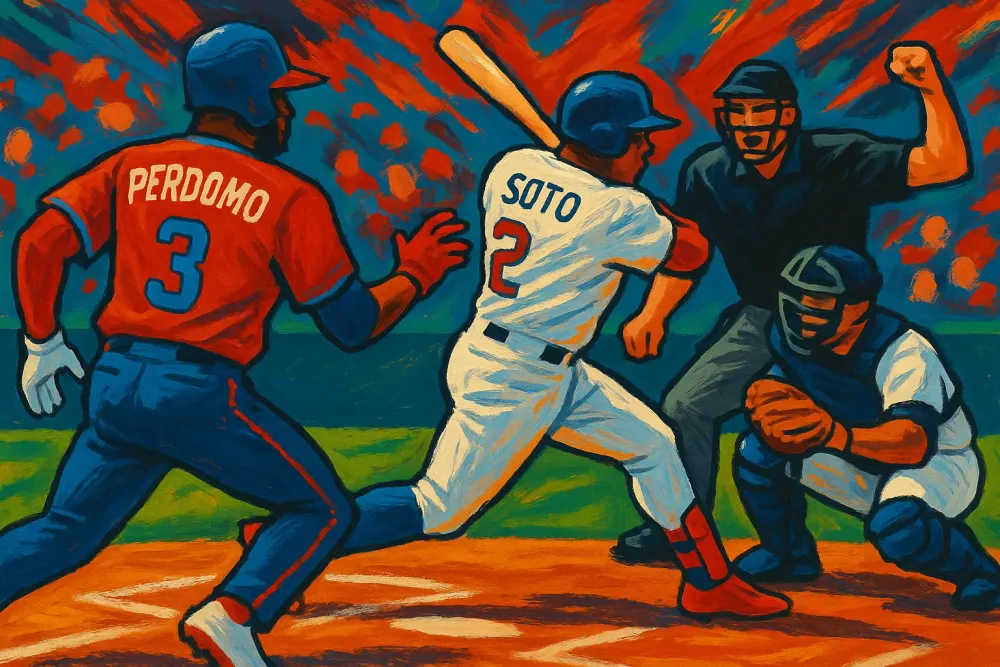
In a dramatic ending to the World Baseball Classic matchup, Dominican Republic shortstop Geraldo Perdomo found himself at the center of a controversial call that ultimately sealed Team USA's narrow 2-1 victory. With two outs and a full count against Mason Miller, Perdomo was preparing to take his walk to first base when home-plate umpire Cory Blaser made a call that would be subject to intense scrutiny: a strike on what Perdomo felt was clearly a ball.
The Incident and Its Implications
“I knew 100% it was a ball. I knew it,” Perdomo expressed to ESPN's Jeff Passan. Given the high stakes of the match, the moment was particularly frustrating for the young star, who has been performing admirably throughout the tournament. This incident is more than just an isolated event; it highlights a growing discussion around the need for an Automated Ball-Strike (ABS) system, which Major League Baseball plans to adopt in the 2026 season.
Why the ABS System Matters
The World Baseball Classic, however, does not currently utilize the ABS technology, which would have corrected the call and potentially changed the game's outcome. Under MLB's upcoming rules, not only would a team be able to challenge such controversial calls, but they could also rely on technology to ensure the accuracy of balls and strikes. This match served as a notable advertisement for the importance and timely implementation of the ABS system in professional baseball.
A Frustrating Trend
To make matters worse for the Dominican Republic, star player Juan Soto also faced a similar fate in the eighth inning, being called out on a pitch that many felt was outside the strike zone. “It’s part of the game,” said Dominican general manager Nelson Cruz when addressing the controversy. “You lost by inches. We’ll have ABS in a few years, so hopefully next time we can challenge plays like that.”
Beyond the Umpire's Call
While the missed calls against Perdomo and Soto sparked significant discussion among fans and analysts alike, it’s essential to recognize that the Dominican Republic's loss was not solely due to these pivotal decisions. After a strong start, the team went scoreless after the second inning, failing to convert critical opportunities. They batted a disappointing 2-for-9 with runners in scoring position, leaving eight on base—an uncharacteristic performance for a lineup filled with talent.
Missed Opportunities Plague the Dominican Republic
Despite having moments of brilliance, the Dominican Republic could not capitalize on their chances to tie the game in the later innings. The missed opportunity against Miller could have placed Fernando Tatis Jr. at the plate with runners on the corners and two outs—a scenario that would have undoubtedly added drama and excitement to the final moments of the game. Tatis, known for his dynamic play and ability to deliver in clutch situations, could have changed the game's narrative entirely.
Conclusion: A Game of Inches
The Dominican Republic's exit from the World Baseball Classic serves as a poignant reminder of how a single call can shift the momentum of a game. Issues concerning umpire decisions are not new to baseball, but as technology advances, the call for systems like ABS grows stronger. While the Dominican Republic did face significant challenges, both from the umpires and their own inability to score, the hope for a more accurate and fair game experience through technology is a bright prospect in the coming years.
As fans and players alike look forward to future innovations in the sport, one cannot help but wonder how the presence of ABS might alter tense moments like this in the future. Until then, the thread of human judgment continues to weave its way through the fabric of America’s favorite pastime.