MLB Explores Midseason World Baseball Classic for Future
Introduction
The World Baseball Classic (WBC) has captured the imagination of baseball fans around the globe, showcasing national pride and exceptional talent. However, Major League Baseball (MLB) Commissioner Rob Manfred suggested that future editions of the tournament could shift from a Spring Training event to the MLB season's midpoint. This change aims to enhance player participation and fan engagement, drawing inspiration from other sports leagues' international tournaments.
Midseason Opportunity for Baseball
In a recent statement, Commissioner Manfred acknowledged MLB's commitment to maintaining its partnership with Fox, particularly regarding the All-Star Game scheduled for midseason through 2028. He elaborated on the concept of midseason tournaments, stating, "As the game continues to evolve, we have talked about midseason tournaments in general. And certainly if we decided to get serious about this, about a midseason tournament, this would be an ideal opportunity." This offers a fresh perspective on how baseball can integrate international competition into its existing schedule.
The NHL Model
The NHL recently demonstrated the potential of a midseason pause for international competition during the 2026 Milano Cortina Olympics. Players from the league represented their countries, generating significant headlines in the U.S. and Canada. The NHL hopes that this initiative will increase interest in the league as it approaches the end of the season. The success of this model could serve as the blueprint for baseball if it decides to implement a similar structure for the WBC, which could provide a comprehensive platform for the sport during the summer months.
Benefits for Player Participation
Hosting the World Baseball Classic during the MLB season may lead to heightened player involvement. Many pitchers, for example, are still in the process of building their stamina during Spring Training, which often limits their availability. With a midseason tournament, players would already be in a competitive rhythm, allowing for more dynamic roster decisions. For instance, pitchers like Tarik Skubal, who were limited to pitching only once during this year’s tournament, could take on more substantial roles if the event were scheduled in the middle of the season.
Timing and Future Considerations
As the conversation progresses regarding the timing of the next World Baseball Classic, Manfred highlighted the ongoing negotiations about MLB's participation in the 2028 Los Angeles Olympics. He stated, "The issue for us is whether we do it in '29 or in '30, three years or four years? I'm getting a lot of email from people today saying don't make us wait four more years for this." Determining the ideal timing for the tournament is crucial, especially considering how closely it aligns with other international commitments.
Massive Audience and Record-Breaking Engagement
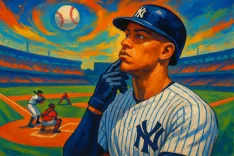
The latest edition of the World Baseball Classic showcased impressive numbers, drawing a record-breaking 1,619,839 fans across 47 games. The tournament also shattered television viewership records, capturing the interest of both domestic and international audiences. Aaron Judge, a star player for the American team, remarked on the electric atmosphere during games, claiming, "The passion that these fans have, representing their country, representing some of their favorite players, there's nothing like it." This enthusiasm bodes well for the future of the tournament and highlights its significance in the landscape of international baseball.
United States and Venezuela in Final Matchup
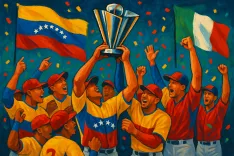
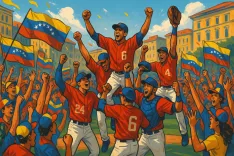
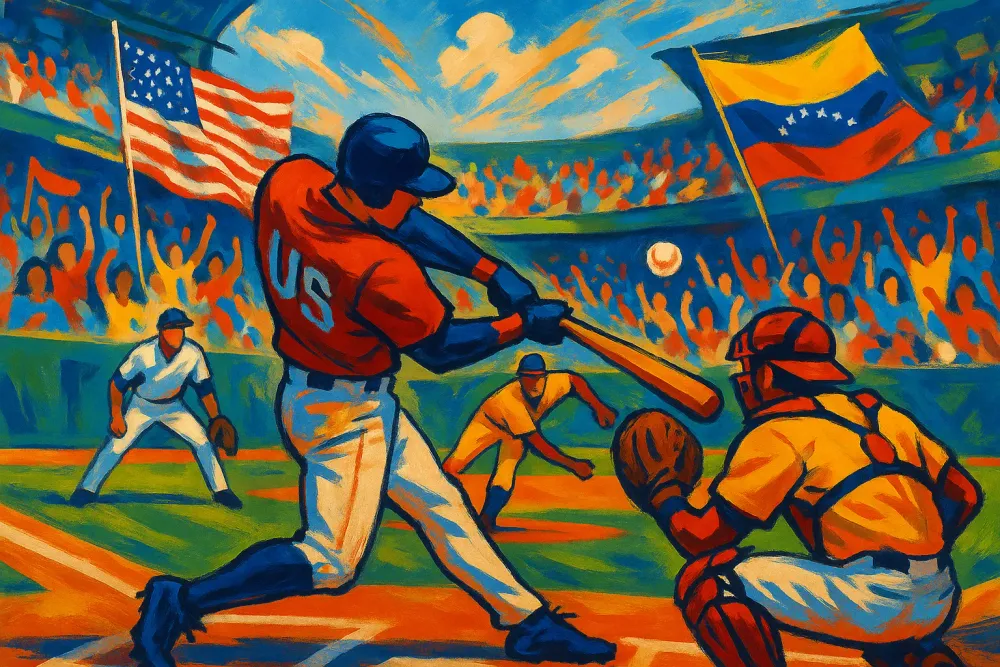
The tournament concluded with the United States facing Venezuela in a nail-biting championship match. The game saw dramatic moments, including a late-game comeback by the Americans, courtesy of a two-run homer from Bryce Harper in the eighth inning. However, it was Venezuela who emerged victorious, defeating the United States 3-2 with Eugenio Suárez delivering the game-winning hit in the ninth inning. The thrilling nature of the final game enhances the notion that the World Baseball Classic deserves a more prominent position in the baseball calendar.
Conclusion
As MLB contemplates the future of the World Baseball Classic, a midseason tournament could offer a powerful platform for showcasing national talent and increasing global interest in baseball. With ongoing discussions surrounding the scheduling and player commitments, the league stands on the brink of innovation—a dynamic shift that could redefine how baseball engages with its fans and players alike. The excitement generated by this year’s tournament could very well lead the way for the next era of international baseball competition.