Bryce Harper Eyes Olympic Glory After WBC Heartbreak
Introduction
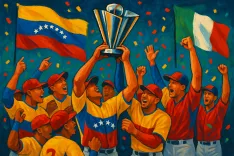
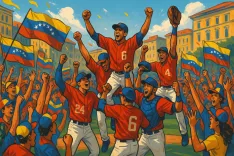
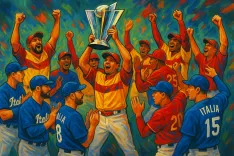
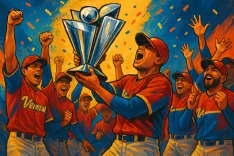
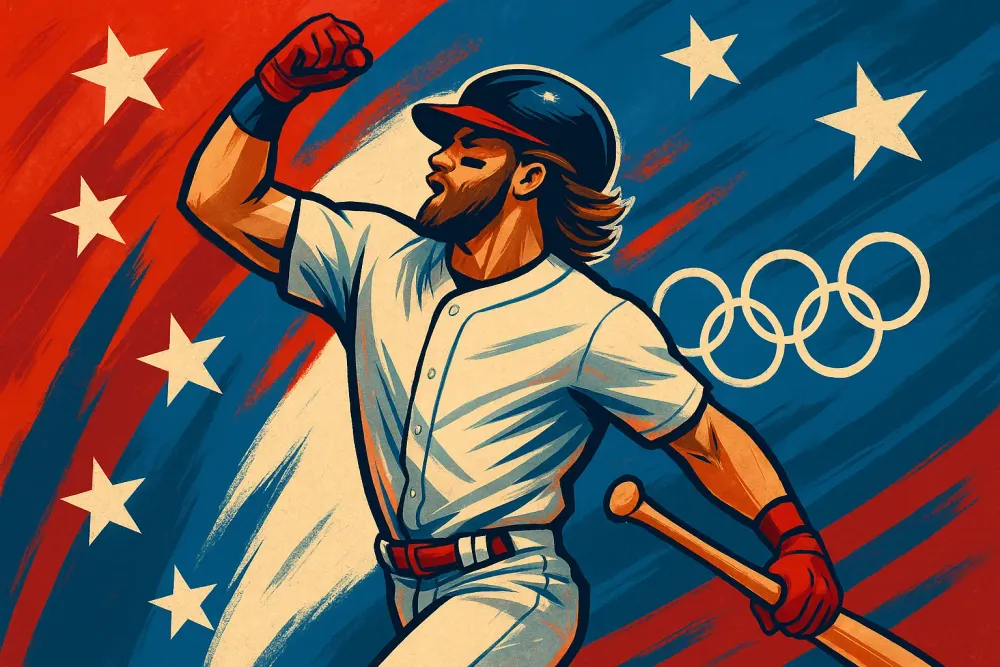
In a thrilling encounter at the 2026 World Baseball Classic (WBC), Team USA fell short against Venezuela, suffering a narrow 3-2 defeat that left players and fans yearning for more. Among those most affected was star outfielder Bryce Harper, who expressed a strong desire to represent the United States once again on the international stage at the upcoming 2028 Los Angeles Olympics.
Harper's Olympic Aspirations
After the intense championship game loss, Harper was quick to share his hopes for Olympic participation. "I hope so. I really do. I really hope so," he stated to reporters. As the tournament concluded, many are left wondering whether MLB players, including Harper, will be allowed to showcase their talents on such a prestigious platform. Commissioner Rob Manfred has hinted at a positive outlook, mentioning a growing momentum towards player participation in the LA Olympics.
Historic Performance at WBC
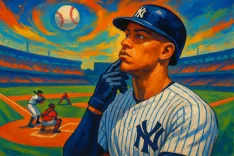
Despite the heartbreak, Harper delivered in the World Baseball Classic. Notably, he hit a pivotal two-run home run in the bottom of the eighth inning against Venezuela, which initially tied the game and stirred hope among Team USA supporters. However, the celebrations were short-lived as Eugenio Suárez quickly reclaimed the lead for Venezuela with a decisive RBI double in the top of the ninth.
As the tournament wrapped up, Harper's stats reflected a challenging matchup, going 6-for-28 with one double, one home run, and three RBI. Yet, his earlier reflections on Olympic ambitions showcased his passion for international competition. "Obviously the WBC is great, but it's not the Olympics," he stated prior to a key pool play game against Brazil, emphasizing the unique allure of the Olympic Games.
Roadblocks to Olympic Participation
Although Harper's aspirations are clear, several hurdles must be addressed before MLB players can take part in the Olympics. Chief among them are the complexities surrounding insurance coverage for players participating in out-of-season events. In the past, this has prevented stars like Francisco Lindor from showcasing their talents at the WBC. As MLB teams navigate these financial implications, the uncertainty surrounding player safety and major contracts continues to loom large.
Furthermore, as the collective bargaining agreement (CBA) between MLB and the MLB Players Association (MLBPA) is set to expire on December 1, 2026, the upcoming negotiations will play a significant role in determining the future of player participation in the Olympics. Bruce Meyer, the acting head of the MLBPA, has warned that any disruption in negotiations, such as a potential lockout, could impact the ability of MLB stars to secure places on the Olympic roster after 2027.
The Olympic Baseball Format
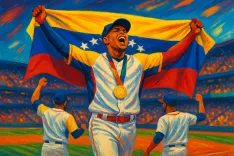
The 2028 Olympics are set to feature an exciting six-team baseball tournament. Currently, Venezuela and the Dominican Republic have secured their spots through their performances in the WBC. The United States is also guaranteed a place in the competition, serving as the host nation for the event.
This format not only adds an element of excitement for fans but also raises the stakes for players like Harper, who are eager to redeem previous shortcomings. With MLB players traditionally dominating the sport, having top talent in attendance could elevate the quality and viewership of Olympic baseball drastically.
Conclusion
As Team USA grapples with the disappointment of the WBC championship loss, the hope for Olympic redemption is strong among players like Bryce Harper. His passionate call for participation resonates with many fans who see the Olympics as the ultimate stage for athletes. However, navigating the challenges of insurance, negotiations with the MLBPA, and the overarching CBA will be crucial in determining whether Harper and his teammates can fulfill their dreams of Olympic glory in 2028. With the first steps towards those agreements potentially starting in the spring, the anticipation for the next chapter in international baseball continues to build.