Dodgers Sign Kyle Tucker: A Game-Changer for MLB Dynamics
Introduction
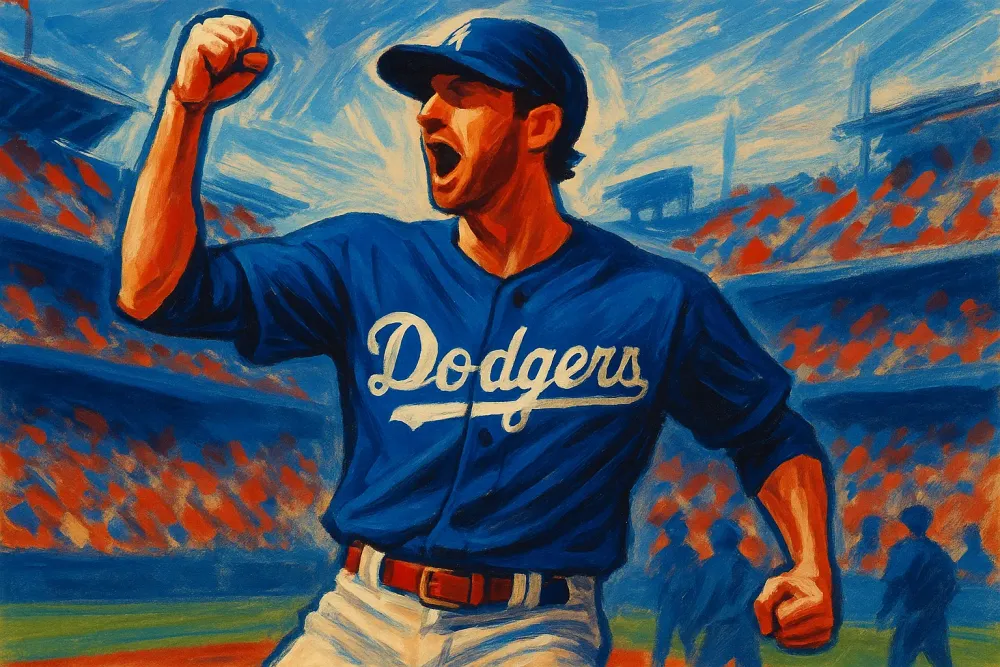
In a blockbuster move that sent shockwaves through Major League Baseball, the Los Angeles Dodgers have signed outfielder Kyle Tucker to a staggering four-year, $240 million contract. This signing not only amplifies the Dodgers' already dominant roster but also raises pivotal questions about the landscape of the league, particularly for teams that sought Tucker's talents. With this high-profile acquisition, the offseason, which had seemed relatively quiet, is now charged with implications for both rival teams and players alike.
The Clear Winner: The Dodgers
The Dodgers have consistently been a powerhouse in MLB, and this latest addition solidifies their position as the best team in the league. With Tucker joining a lineup already boasting perennial MVP candidates like Shohei Ohtani, Mookie Betts, and Freddie Freeman, the team’s offensive capabilities rise to an entire new level. Tucker, who has averaged an impressive .878 OPS, 27 home runs, and 21 stolen bases over the past five years, enhances an already elite squad.
This offseason, the Dodgers also bolstered their pitching staff by adding one of the top relievers in Edwin Díaz, making their bullpen significantly sturdier. As a result, the odds of the Dodgers becoming back-to-back champions look increasingly favorable. MLB projections indicate a staggering 7.7-WAR gap between the Dodgers and the second-best team, further establishing them as the frontrunners for the 2026 season.
Who Missed Out? The Mets
On the flip side, the New York Mets find themselves in a disappointing position after narrowly missing out on Tucker. Despite owner Steve Cohen’s overtures on social media showing their eagerness to land the star, the Mets’ offer of four years and $220 million fell short against the Dodgers. Although their offer included a $75 million signing bonus with no deferrals, it simply wasn't compelling enough compared to the Dodgers’ financial package.
In the aftermath, the Mets quickly pivoted to signing infielder Bo Bichette for $126 million over three years. However, this move may not meet the immediate need for stronger run prevention that many fans expected. Tucker’s absence from the Mets’ roster is felt deeply, given that he would have brought stellar offensive numbers and dynamic play to their lineup.
Tucker’s Mixed Blessings
Although making a historic contract, Tucker’s deal raises questions regarding player expectations in free agency. Initially projected to land a much larger contract, with estimates approaching $360 million, Tucker’s final figure reflects a significant decrease in anticipated earnings. Still, he joins a championship contender and brings with him the chance to chase more titles, having collected one with the Houston Astros in 2022.
The negotiations, however, reveal an undercurrent of discontent among players about the trajectory of contract lengths and values in recent MLB seasons. Tucker’s hefty annual average value (AAV) of $57.1 million is a record but begs the question of sustainability in future contracts, especially with hitters facing shorter commitments from teams.
The Implications for the League
Tucker’s signing reflects a broader trend in free agent negotiations. As evidenced by the struggles of other big names on the market, teams appear increasingly hesitant to offer long-term deals, instead favoring shorter, higher AAV contracts. This pattern raises critical concerns about player marketability and long-term stability for prominent free agents.
As teams like the Dodgers continue to capitalize on their financial muscle while navigating luxury tax constraints, the discussion around salary cap reforms within MLB becomes more pressing. If trends continue, the disparity between high-revenue clubs and mid-market teams could widen, prompting calls for new systems that can level the playing field.
Conclusion
Kyle Tucker’s signing with the Dodgers represents more than just a significant player transaction; it marks a pivotal moment in MLB dynamics. With the Dodgers establishing themselves as a reigning superteam, the ramifications of this move will echo across the league. For teams like the Mets, the disappointment of missing out on Tucker will necessitate strategic pivots in roster construction. Meanwhile, the long-term implications of the current free agency landscape continue to warrant scrutiny and discussion as the league moves forward.