The Dodgers and Ohtani: A Year That Demands Reflection
As the Los Angeles Dodgers find themselves in the third year of what is intended to be a 10-year partnership with superstar Shohei Ohtani, a pivotal decision lies ahead. The past two years painted a vivid picture of success; the mantra from Chavez Ravine was simple: “Just let him cook.” This approach worked wonders, yielding a World Series championship, an MVP award, and stellar individual statistics from Ohtani. However, the catastrophic 2026 season left the franchise searching for answers.
2026: A Season of Disappointment
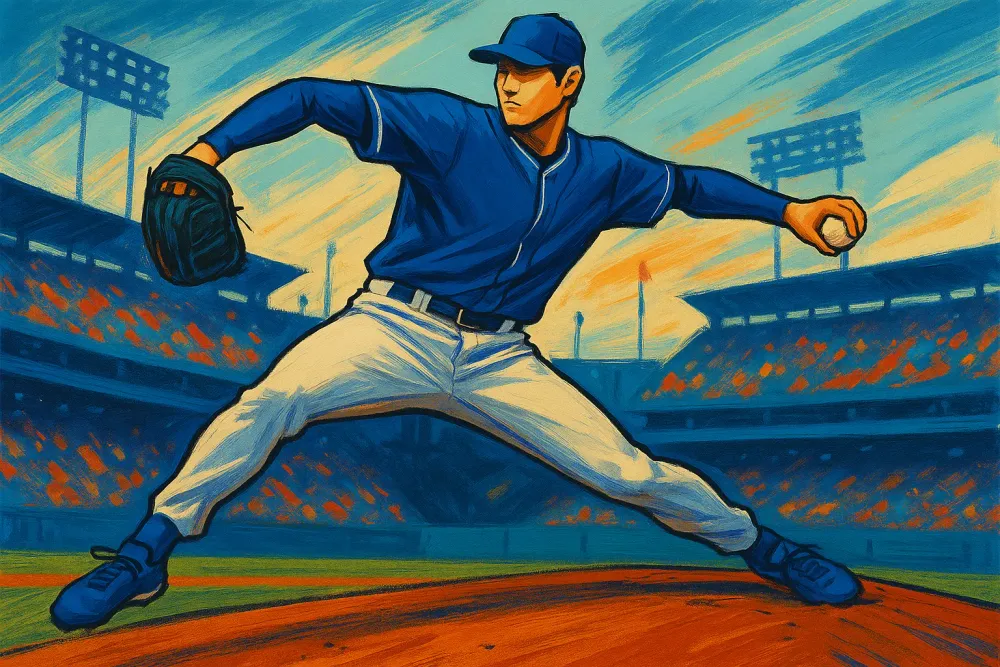
The year started off promising, with Ohtani showcasing his unparalleled skill set as both a pitcher and hitter. Entering the All-Star break, he boasted an impressive .953 OPS, 22 home runs, and a 1.79 ERA over 14 starts. He appeared destined for his fifth MVP award, a recognition only a select few, like Barry Bonds, have previously attained. However, whispers of a physical breakdown began as early as midseason, subtly growing into a chorus of concern as injuries mounted.
By July 3, Ohtani's pitching was abruptly halted due to injury, and his hitting fell off a cliff by mid-August. Once he returned to the field, his power numbers dwindled significantly, driving the team to re-evaluate his health and reservation regarding his multifaceted role. His performance in the postseason revealed further struggles, culminating in a disappointing exit from the playoffs after being swept by the Milwaukee Brewers.
Management Decisions Under Scrutiny
Amidst the rubble of a failed postseason, the clarity of the decisions made by manager Dave Roberts and the Dodgers' front office comes into sharp focus. Their management of Ohtani's injuries has faced significant criticism. It wasn't until September 11, long after concerns arose, that Ohtani was placed on the injured list for two weeks. By the time the playoffs commenced, he remained less than fully fit, evident from a staggering strikeout rate of 14 times in 30 at-bats.
Roberts' approach in the playoff series hinted at a potential motivational tactic directed at Ohtani. However, whether this was effective or merely desperate gaming is questionable, as the results were ultimately unsatisfactory. While reaching the top through risky decisions can sometimes pay off, the fallout of the 2026 season and the growing injury challenges raised vital questions for both the Dodgers and Ohtani.
Ohtani's Future and the Dodgers' Dilemma
The events of this past season prompt urgent introspection regarding Ohtani’s role as a two-way player at 32 years old. The combination of his past surgeries and escalating knee issues presents a daunting challenge. Despite potential physical impediments, Ohtani has expressed overwhelming commitment to continue being a two-way player and remains optimistic about bouncing back in the following season.
Yet, the Dodgers' front office, led by president of baseball operations Andrew Friedman, must navigate this intricate situation delicately. There is an undeniable need to manage Ohtani's workload smarter; after all, the club has seven years remaining on this partnership, a span that could lead to fruitful or frustrating outcomes depending on how they proceed.
Crisis or Opportunity? Finding a Balance
In light of Ohtani's performance metrics, the time has come to explore whether it is viable for him to continue juggling both pitching and hitting at such high levels. Notably, statistics show that Ohtani's OPS improves when he focuses solely on hitting. His career OPS while pitching and hitting at the same time stands at .897, compared to .951 when focusing exclusively on hitting.
Suggestions to overhaul his role could arise during the offseason strategy meetings. If the Dodgers can convince Ohtani to focus on one facet of his game, they may be able to preserve his health while maximizing his contributions. A delicate balance is needed that respects Ohtani’s talent without risking catastrophic injuries that plagued the 2026 campaign.
Conclusion: A Call for Strategic Collaboration
The crucial offseason ahead will define not only Ohtani’s career trajectory but that of the Dodgers as well. Both sides must address how to move forward and truly learn from the difficulties that arose this past season. With communication likely to be restricted during a looming player-team lockout, proactive engagement is essential to foster a cooperative approach that benefits both Ohtani and the franchise. If done properly, 2026 will serve not as a grim precursor but rather as a learning moment, setting the stage for continued success.