Buffalo Bills Promote Joe Brady Amidst Coaching Changes
Introduction
The Buffalo Bills have taken a bold yet familiar step in promoting offensive coordinator Joe Brady to head coach, just less than two weeks after parting ways with Sean McDermott. This decision emphasizes the team's focus on continuity and the need for a spark, as they aim to maximize the potential of their high-caliber offense under Brady's guidance.
Joe Brady’s Journey to Head Coach
At just 36 years old, Brady has already made a significant mark in the coaching world, notably leading to interviews with several teams for their head-coaching vacancies, including the Atlanta Falcons and Miami Dolphins. His promotion reflects the Bills’ confidence in his leadership abilities, especially after his successful tenure as the team’s offensive play-caller. Under his direction, the Bills' offense has consistently ranked among the top six in scoring over the past two and a half seasons.
Connection Between Josh Allen and Joe Brady
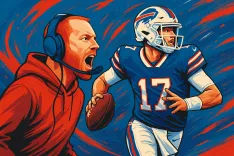
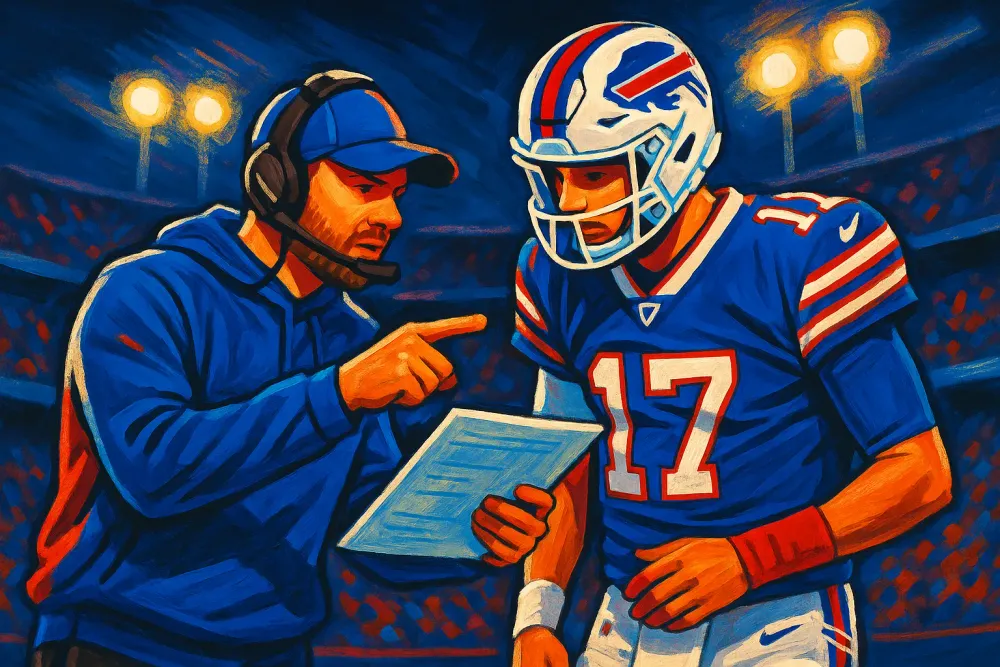
One of the most compelling reasons behind Brady’s promotion is his established relationship with franchise quarterback Josh Allen. Brady joined the Bills as a quarterbacks coach in 2022, quickly elevating Allen’s performance and leading to his promotion as interim offensive coordinator after the dismissal of Ken Dorsey. This existing rapport provides a sense of reliability, ensuring that Allen, who has faced scrutiny due to his 18 interceptions this past season, can continue to thrive in a familiar offensive system.
Tim Graham from The Athletic reported that Allen’s involvement in the coaching interview process played a key role in Brady’s promotion. By including Allen, general manager Brandon Beane can diffuse potential blame should the transition not yield the desired results, showing a keen understanding of managing both personnel and team morale.
Strategic Focus on Offensive Continuity
The decision to promote Brady indicates a preference for retaining a successful offensive system over the uncertainty of hiring from outside. Even as the Bills adjust to changes in leadership, their ability to score and outpace opponents remains intact. With running back James Cook leading the league in rushing touchdowns and accumulating over 1,600 rushing yards this season, the Bills are well-equipped for a dynamic offensive strategy under Brady’s direction.
Challenges Ahead
While retaining continuity is crucial, Brady faces pressing challenges. There are significant questions regarding his ability to enhance the team's pass-catching corps and solidify the offensive line following the retirement of coach Aaron Kromer. Development of receiver talent and tight end Dalton Kincaid remains critical, as Brady's success could hinge on optimizing players who possess the potential to elevate the offensive unit.
The Power Dynamics Post-McDermott
Following McDermott's departure, speculation arises about the factors leading to this major coaching shakeup. Reports suggest tensions between McDermott and Beane regarding the team’s roster should have been key to the dysfunction. While Beane has publicly denied any power struggle, the lack of results in recent playoff appearances made it essential for the Bills to reassess their direction.
Brady’s promotion could also signal a shift in accountability. As a less experienced head coach, he is less likely to challenge Beane's decisions aggressively, allowing for more stability in the front office. Should the offense fail to meet expectations under Brady, it may reflect back on Beane’s roster-building decisions.
The Future Outlook for the Bills
The Buffalo Bills are not expected to fall from playoff contention with Brady at the helm, especially with Allen, Cook, and left tackle Dion Dawkins forming a strong offensive core. Their potential for scoring remains undeniable, and Brady’s system could yield significant success provided that key players stay healthy and productive.
However, the loss of McDermott raises valid concerns regarding their defensive strategies, as the Bills allowed a disappointing number of rushing touchdowns and struggled with opposing teams’ running games. While the promotion of Brady may position the offense favorably, it does not inherently address the deficiencies that have haunted the Bills in past playoff runs.
Conclusion
In summary, the decision to promote Joe Brady as head coach offers the Buffalo Bills an opportunity for continuity while seeking new life in their offensive game plan. The coming season will be pivotal not only for Brady’s development in this new role but also for the team's prospects of breaking through to a Super Bowl. As the Bills prepare to tackle the challenges ahead, their success will ultimately depend on a balanced focus on both offensive prowess and defensive innovation.