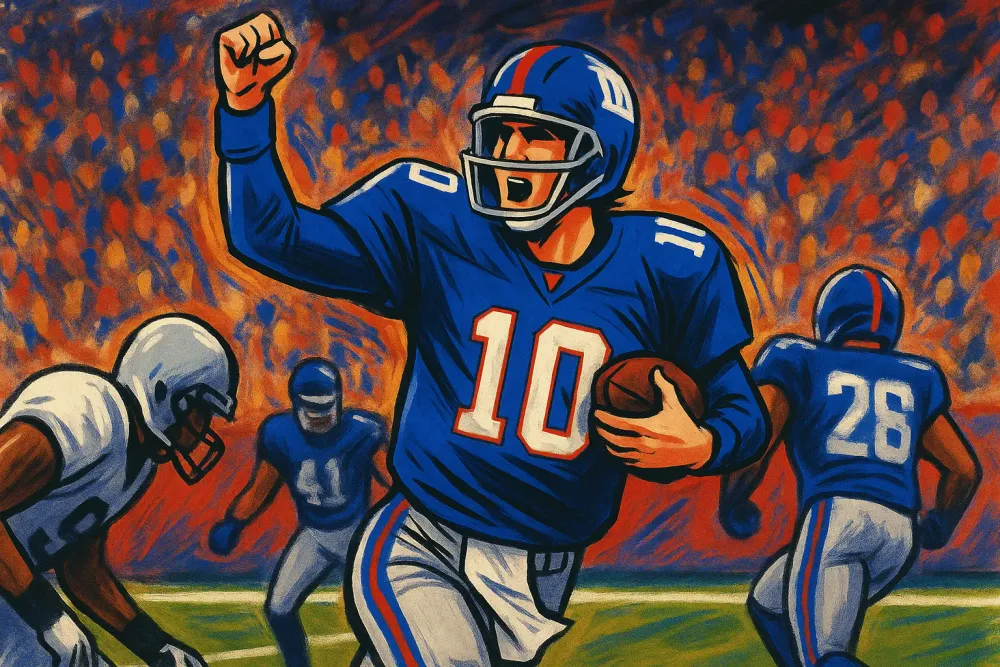
Former New York Giants quarterback Eli Manning has missed the opportunity for induction into the Pro Football Hall of Fame this year, as reported by The Athletic's Dan Duggan and Ian O'Connor. This decision follows the first-year candidacy of former New England Patriots head coach Bill Belichick, who also did not receive enough votes for entry. While both Manning and Belichick have solidified their places in NFL history, their paths to the Hall of Fame could not be more different.
Assessing Manning's Hall of Fame Credentials
Manning's credentials for Hall of Fame consideration largely rest on his remarkable achievements during Super Bowl XLII and XLVI. These championships, both against the Patriots, were pivotal moments not only in Manning's career but also in NFL lore. He threw for a combined total of 551 yards, three touchdowns, and just one interception in those decisive games, earning himself two Super Bowl MVP awards in the process.
However, evaluating Manning's overall career metrics sheds light on a more complicated picture. Despite his two Super Bowl rings, his career did not consistently display the elite statistics typically associated with Hall of Fame quarterbacks. With four Pro Bowl selections, Manning's accolades are respectable, but he never ascended to the level of an All-Pro player. Moreover, he never led the league in either passing yards or touchdown passes in a single season.
Career Statistics and Longevity
Manning's career statistics reveal a legacy bolstered by longevity rather than peak performance. Currently, he ranks 11th all-time in passing yards with 57,023 and touchdowns with 366, largely due to his extended career as the Giants' starting quarterback over 15 seasons. His average of 241.6 passing yards per game places him at 21st among all players, reflecting a more nuanced view of his effectiveness on the field.
While statistics can tell one story, they cannot fully encapsulate the unique challenges Manning faced throughout his career. Playing in the demanding New York media environment requires a level of resilience that few athletes can sustain. Manning's ability to navigate the scrutiny and expectations of being a full-time starter for the Giants cannot be overlooked when considering his overall impact on the franchise.
Years of Unyielding Pressure
The pressure that comes with playing for the New York Giants is unlike any other in professional sports. The spotlight shines brighter, and scrutiny is inevitable. Manning managed to prosper under these conditions, leading the team to two dramatic Super Bowl victories against the previously undefeated Patriots in 2007 and the heavily favored team in 2011. His performances in these critical moments remain etched in the memories of Giants fans and football enthusiasts alike.
Future Prospects for Manning's Hall of Fame Induction
Despite his current omission from the Hall of Fame, many analysts believe that Manning will eventually earn his place. Advocates for his induction argue that his legendary status as a two-time Super Bowl champion, coupled with his tenure as a starter in New York, solidify his case over time. Additionally, the competitive landscape for Hall of Fame ballot slots often shifts; as new candidates emerge, Manning's accomplishments may come to be viewed more favorably in hindsight.
Conclusion
The news of Eli Manning's exclusion from the Hall of Fame this year is a reminder of the difficulty and unpredictability of sports recognition. While he may not have secured a gold jacket in 2023, his dual Super Bowl victories and contributions to the New York Giants ensure he will forever be a significant figure in NFL history. The debate about his Hall of Fame worthiness will undoubtedly continue, but one thing is certain: his legacy within the league will endure, regardless of this year's voting outcome.