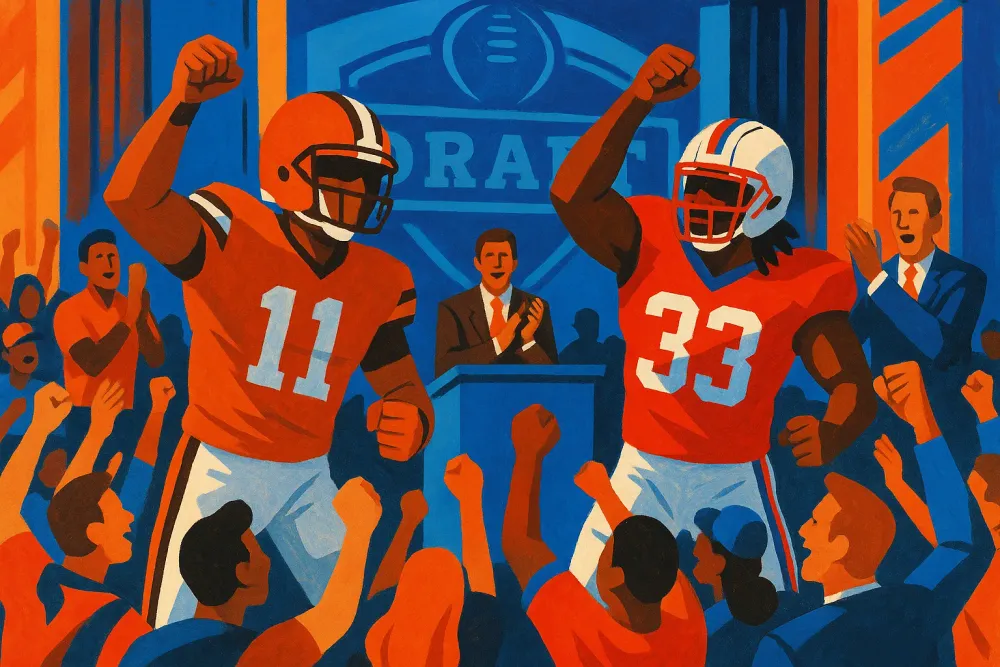
The anticipation for the 2026 NFL Draft is already building, as experts evaluate a fascinating group of college prospects poised to make an impact at the professional level. To give fans insight into what to expect, we analyzed six of the most popular mock drafts from reliable sources including The Ringer, The Athletic, NFL.com, ESPN, and the B/R Scouting Department. By deriving an average draft position (ADP) for each top prospect, we've configured a consensus mock draft that highlights the predictions of these experts.
Consensus Selections: The Unanimous Choices
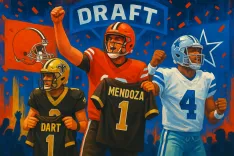
Heading into the 2026 NFL Draft, the standout name recognized by all six expert mock drafts is none other than Fernando Mendoza, projected as the first overall pick to the Las Vegas Raiders. Mendoza's impressive performances throughout his college career have established him as a formidable quarterback prospect, making this consensus selection anything but surprising. While Mendoza's placement is unanimous, his journey to the top showcases the complex decision-making that surrounds such pivotal draft choices.
Following Mendoza, the edge-rusher Arvell Reese holds the next closest consensus pick. With an ADP of 2.3, Reese is frequently paired with the New York Jets at No. 2 by four out of the six experts surveyed. However, ESPN's duo of Yates and Kiper have a different outlook, favoring David Bailey for the Jets instead. This variance in predictions reflects the differing evaluations of team needs and potential impact.
Draft Position Uncertainty: The Largest Spreads
Among those evaluated, Kadyn Proctor, an offensive tackle from Alabama, faces a significant range in mock draft placements. His consensus ADP is 17.2, but he is speculated to go as early as No. 6 to the Cleveland Browns, according to B/R Scouting Department projections, or as late as No. 23 to the Philadelphia Eagles in Daniel Jeremiah's and Dane Brugler's assessments. This discrepancy underscores the unpredictable nature of draft projections and the particular preferences of different teams regarding offensive line investments.
Similarly, Keldric Faulk also generated debate among experts, presenting a wide range of opinions. With a consensus ADP of 21.0, he is projected by some to break into the top 10, while others have him potentially slipping to the end of Day 1. Such variations can create excitement and drama on draft night, keeping fans and analysts alike on the edge of their seats.
Dominance in the Trenches: Most Common Positions
As teams gear up for the draft, it’s apparent that both offensive and defensive line positions will dominate early selections. Nearly half of the players in the consensus mock can be found along these lines, showcasing the value placed on protecting quarterbacks and disrupting opposing offenses. Edge-rushers like Arvell Reese, David Bailey, and Reuben Bain Jr. occupy the top spots, while offensive tackles like Francis Mauigoa and Spencer Fano also warrant notable attention.
The receiver class, while deep, only sees one player, Carnell Tate, expected to land within the top 10 picks with an ADP of 6.7. Yet, as draft analysts predict, there may be a surge in receivers selected around the middle of Day 1, with players like Jordyn Tyson and Makai Lemon potentially emerging as high-value selections for teams needing to bolster their receiving corps.
Untapped Talent: Least Common Positions
Interestingly, the 2026 quarterback class lacks depth, with only Fernando Mendoza securing a top prospect slot. While Ty Simpson made appearances in several mocks, he ultimately failed to achieve a consensus first-round status, illustrating the struggles QBs are facing in this draft year. This contrast between high-profile talents in other positions speaks to the continuously evolving dynamics of player valuation at this critical moment in the NFL calendar.
Likewise, the 2026 running back pool appears slim, albeit with Jeremiyah Love projected to be the only first-round selection. Experts seem divided about where Love will land, given that he's listed with a consensus ADP of 5.5 while different analysts place him in contrasting positions. This uncertainty adds layers of intrigue around how teams will prioritize their offensive strategies moving forward.
Conclusion: What Lies Ahead
As we draw closer to the 2026 NFL Draft, the insights garnered from this expert consensus mock are invaluable. The trends indicate a shift towards prioritizing defensive and offensive line positions, while the limited options at quarterback and running back raise questions about teams’ strategic plans. With only a few months to go, the next stage will involve not only drills and evaluations but also decisions by the franchises that could reshape their franchises for years to come.