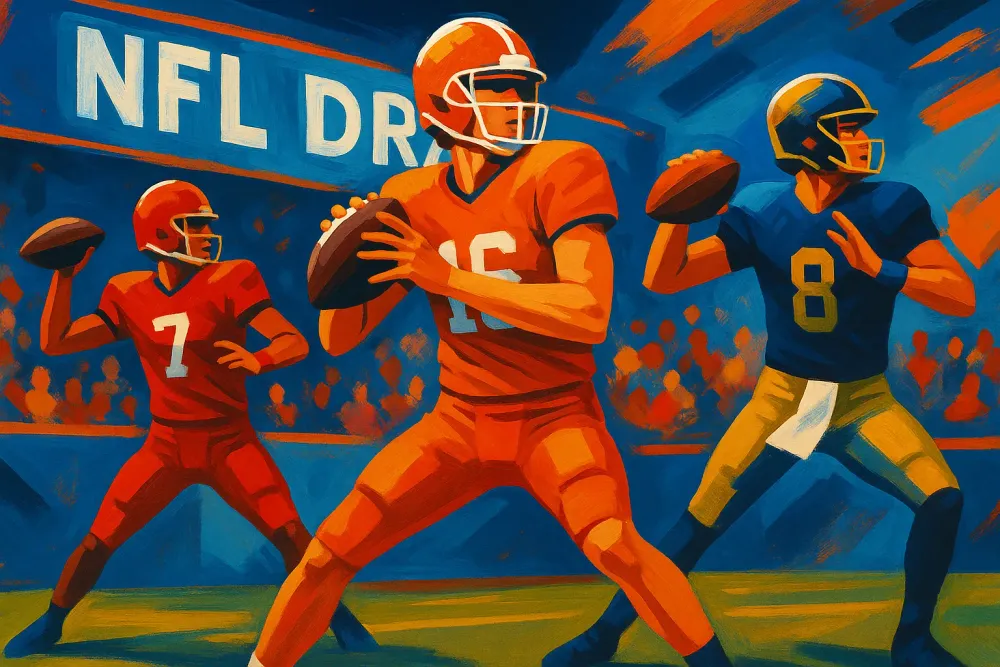
Changing the NFL Draft Landscape
The conversation surrounding the NFL draft has always been robust, but as the league’s eligibility rules face renewed scrutiny, discussions about an earlier entry for high school players are heating up. The current rule mandates that players must be three years removed from high school to be eligible for the draft, a barrier that could soon see a legal challenge. If this were to unfold positively, the implications could be immense, especially regarding the perceived value of incoming drafts compared to those that have come before.
NIL and the Evolution of College Football
The landscape of college sports has undergone seismic shifts owing to Name, Image, and Likeness (NIL) agreements that have upended long-standing traditions. Athletes are now seeking more lucrative paths to professional sports sooner than ever, leading to a potential challenge to the NFL's eligibility rule. These recent changes point toward a more favorable position for young athletes, enabling them to turn professional earlier, similar to trends seen in the NBA draft process.
Incoming Draft Class Analysis
As this year's draft approaches, many are already eyeing the class of 2024, which promises an influx of high-level talent, particularly at quarterback. While the current draft class isn't devoid of talent, many analysts argue it lacks the presence of elite players at key positions, which could skew perceptions. If the new eligibility rule were in effect, we might have seen a myriad of names making their case for top picks, reshaping the context of this year's selections.
Notable Quarterback Prospects
Arch Manning, born into football royalty, might be one of the names that could draw scrutiny when compared to other up-and-coming quarterbacks like Indiana's Fernando Mendoza. Although Manning had a solid year, the dynamic nature of the draft could inspire teams to prioritize potential over immediate readiness. Teams aiming for a long-term solution at quarterback might favor a player like Mendoza, whose resilience and ability to rejuvenate a struggling program stand out strongly in comparisons.
Team-specific Needs and Predictions
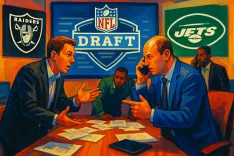
The New York Jets possess the second overall pick this year and find themselves in a peculiar position. With a pressing need for a quarterback and no clear option available, they face a conundrum if the draft landscape were to open up. If eligible, Mendoza could be the solution they've been looking for, providing athleticism and competitiveness that would provide much-needed support for their offensive line.
Development of Rising Stars
Meanwhile, Dante Moore, a top prospect, has chosen to return for another year at Oregon, bypassing a lucrative opportunity to enter the draft. His decision reflects a balance between personal growth and championship aspirations, and as he continues to hone his craft, he may solidify his status as a top choice in the upcoming drafts.
The Talent Pool Expands
As teams are ready to capitalize on talents like Ohio State's Jeremiah Smith, who boasts impressive stats, the emphasis during the draft process will inevitably shift. Players like Smith and others emerging from top-tier programs will be at the forefront of team scouting reports. Furthermore, the potential pairing of high-end receivers with already established quarterbacks poses a significant advantage, thus enhancing the game and pushing teams' competitive thresholds.
Improving Defensive Fronts
This year's draft also emphasizes defensive prospects like Dylan Stewart and Colin Simmons, both of whom project as premier edge-rushers. The abilities of such players will be viewed through the lens of how they can impact games from day one. Teams looking to strengthen their defensive line and shore up protections will find themselves wrestling over these talents, underscoring the greater strategy involved in the draft.
A Future with a New Draft Dynamic
In conclusion, the evolving nature of eligibility rules, combined with the impact of NIL agreements, may ultimately align to change the NFL drafting process significantly. As players begin to signal a willingness to enter the draft earlier, the disparities in perception between different draft classes may diminish. The following years promise to be exhilarating for teams as they navigate these changes while paving the way for the future of professional football.