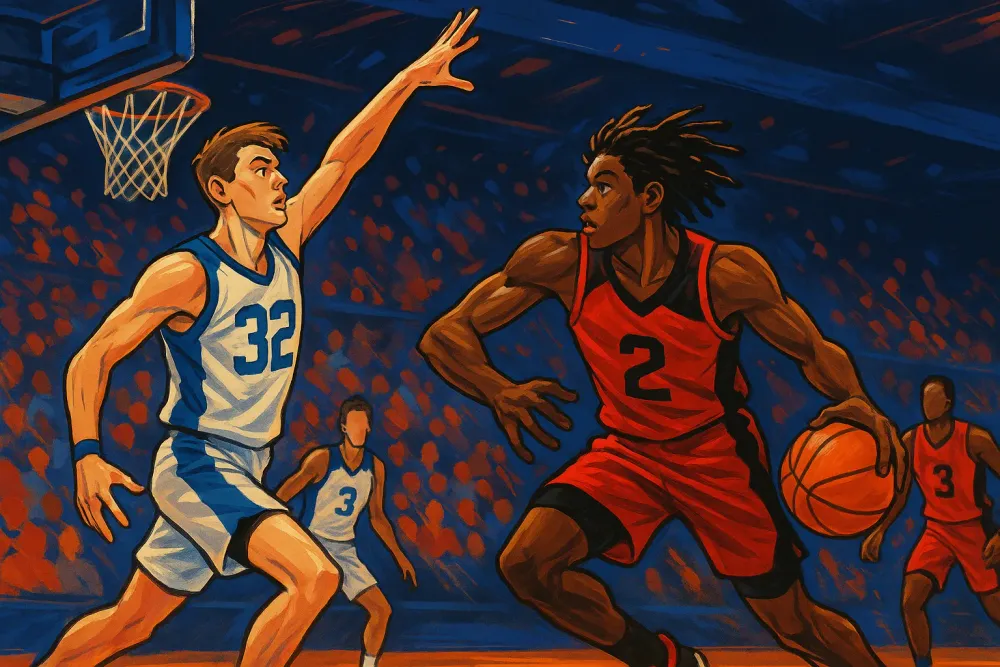
Evaluating the 2025 NBA Draft Class
The 2026 NBA Draft is fast approaching, prompting a closer look at last year's rookie class. With a full season's worth of data, we can better gauge the performance and potential of 2025's top prospects. Notably, Cooper Flagg emerged as a frontrunner for Rookie of the Year, despite fierce competition from his college teammate. This evaluation will not only assess Flagg but will also examine how trades and team needs could reshape the draft order.
Spotlight on Cooper Flagg
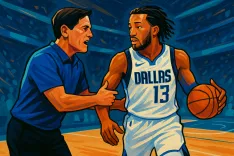
Originally drafted first overall by the Dallas Mavericks, Cooper Flagg has proven himself to be an indispensable player in his first year. In an age-19 season, Flagg ranked among the league's top five rookies in multiple categories: points, rebounds, assists, blocks, and steals. His versatility and production establish him as a clear choice for Dallas. Even with other contenders for the Rookie of the Year award, including Kon Knueppel, Flagg's consistent performance makes him a cornerstone for the Mavericks.
The Rise of Dylan Harper
Drafted second overall by the San Antonio Spurs, Dylan Harper has displayed immense talent and potential. Despite a limited role on a 60-win team, Harper's averages of 11.8 points, 3.9 assists, and 3.4 rebounds in just 22.6 minutes speak volumes. His remarkable performance during the Spurs' playoff run demonstrated poise and exceptional two-way skills, making him a credible candidate for superstardom alongside Flagg.
Controversy in Picks Three and Four
Revisiting the third and fourth picks, VJ Edgecombe and Kon Knueppel saw their positions contested. While Edgecombe showcased athletic prowess and disruption on the court, Knueppel stood out statistically with a historic true shooting percentage of 63.3, making him a more efficient choice for Philadelphia. The close competition for these top selections reflects the depth and potential of the 2025 draft class.
Assessing Depth and Potential
The particulars of the draft extend beyond the top picks with several lottery selections potentially sliding out of the first round due to team needs and developmental progress. Notable names include Ace Bailey and Cedric Coward, both of whom showed significant upside yet remained overshadowed in their rookie seasons. Teams like the Utah Jazz could re-evaluate their selections, leaning towards players like Coward, whose production was impactful for their respective teams.
Rookies Making Their Mark
Playoff performances can significantly influence a player’s draft stock. For instance, Collin Murray-Boyles originally chosen ninth overall, flashed his potential as a defensive force. His advancement over Tre Johnson, who struggled to find his footing, portrays how circumstances can alter perceptions of a player’s worth. This draft deepened with promising talents like Jeremiah Fears and Egor Demin, both of whom have room for growth.
The Impact of Team Needs
Team dynamics are crucial when considering a player's fit. For example, VJ Edgecombe could potentially align better with the Charlotte Hornets than Kon Knueppel, who might be better suited in a different system. The need for a disruption-focused guard alongside playmakers like LaMelo Ball could maximize Edgecombe's skillset, underscoring the importance of fit over mere statistics.
Future Projections
As teams look to capitalize on their draft selections, the examination of players like Cedric Coward and Ryan Nembhard will guide decisions on upgrading rosters. Their potentials suggest they could become series elevating players, bringing unique contributions in different areas of gameplay. Teams will weigh the long-term growth against immediate impact as they prepare for the 2026 NBA Draft.
Conclusion: An Evolving Landscape
The landscape of the NBA is evolving as teams reassess their frameworks based on the outcomes of the previous draft. The re-evaluation of the 2025 class emphasizes the delicate balance between anticipation and reality in player development. With newfound insights into their performances, it’s likely that sneaky trades and selections will shake up the upcoming draft in ways that could redefine team trajectories.