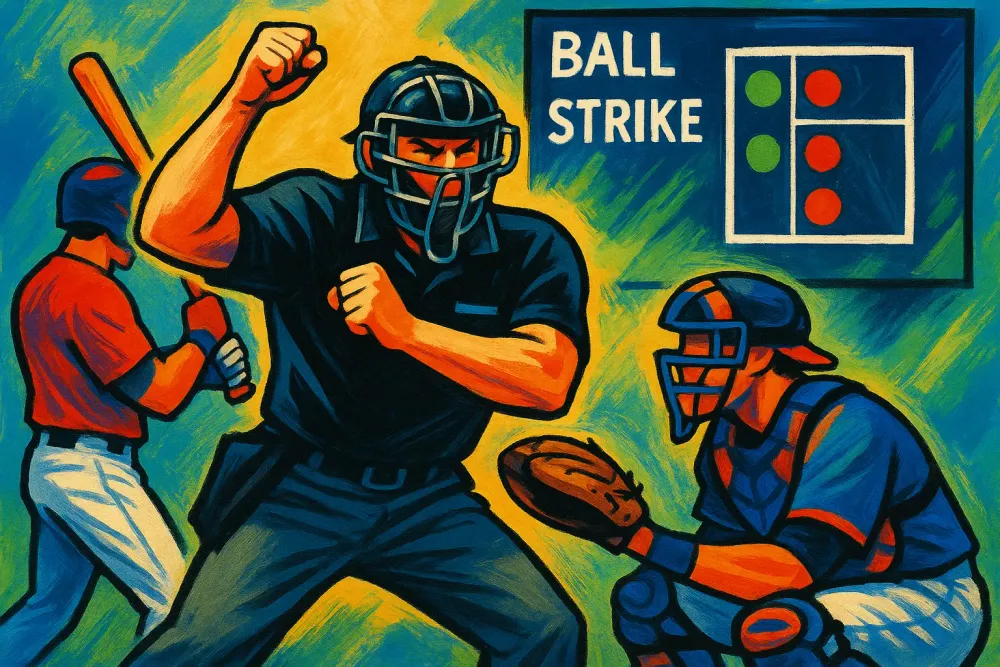
The 2026 MLB regular season has introduced a new automated ball-strike challenge system, significantly influencing how games are officiated and how calls are made. However, this innovation has not come without its share of controversy, as umpires express dissatisfaction with the benchmarks by which their performance is being evaluated. Reports suggest that many umpires are 'quietly stewing' over what they see as an unrealistic standard compared to their traditional methods of enforcing the game.
Overview of the Automated Ball-Strike Challenge System
Implemented for the first time in Major League Baseball this year, the automated ball-strike challenge system (ABS) allows teams to contest ball-strike calls made by umpires. Since the season began on March 25, there have been 653 challenges, with a notable 351 calls overturned—and an overall success rate of 54 percent. Pitchers and catchers have fared particularly well, achieving a 59 percent success rate in their appeals, whereas batters have only seen a 48 percent success rate.
This technology, which was already in use in the minor leagues from the 2022 season, aims to create a more consistent and accurate calling system during games. However, the rapid changes have left some umpires feeling cornered by the 'near-impossible standard' they believe they are being held to.
Impact on Umpires' Evaluation
Umpires are tasked with maintaining the integrity of the game, yet the arrival of the ABS system has significantly changed the way they are judged. With their accuracy metrics under scrutiny, umpires currently showcase a 93.5 percent accuracy rate on ball-strike calls, slightly up from 92.7 percent compared to the same number of games in 2025. This performance feedback, while statistically promising, has not alleviated the concerns raised within the umpiring community.
The surge in challenges may lead umpires to feel less confident in their calls, generating a psychological burden when arbiting plays. The constant potential for review adds an additional layer of pressure, contributing to growing frustration among the officiating ranks.
Voices of Change: Manager Perspectives
Even with the enhancements brought by technology, notable figures within the league express reservations about the full adoption of automated systems. Detroit Tigers manager A.J. Hinch has vocalized his support for preserving the human element of officiating. Speaking to USA Today's Bob Nightengale, Hinch emphasized, "I hope not[full automation]. I think the human element is super important." He expressed concerns that the traditional dynamics of the game, characterized by the emotional reactions of pitchers and catchers to close calls, could diminish.
Hinch’s reflections reveal a broader hope among some managers and players that while technology should help, it should not completely overshadow human judgment in a sport rich with tradition and emotional breadth. The manager acknowledged a noticeable benefit of the challenge system: a reduction in complaints directed toward umpires, leading to quieter benches during games. As the league grapples with this shift, the tension between tradition and technological advancement remains a central theme.
Challenges and Records
Challenges have become an integral part of the game now, with teams provided two challenges per match, which can be retained if their contestations are successful. The current record for the most challenges in a single game was recorded on April 1 between the Minnesota Twins and Kansas City Royals, where 11 challenges were made—demonstrating the intensifying trend toward review.
This particular game saw the Twins challenge nine calls with eight overturned, highlighting the reality that umpires may be missing calls at alarming rates, consequently inviting increased scrutiny over their performance. As pressure mounts to improve calling accuracy, the ABS system introduces a spotlight on human officiating standards that could reshape the way umpires approach their roles.
A New Normal in Umpiring
As the 2026 season unfolds, the MLB and its umpires continue to adapt to this new system. The challenge system represents a significant change within the league, requiring both players and officials to adjust to its complexities. While the present situation may be uncomfortable for umpires, the hope among executives is that as the season progresses, everyone will become more accustomed to the expectations surrounding the system.
This evolving landscape could ultimately lead to more refined understandings of what constitutes a ball and strike under the MLB rulebook. With time, the infusion of technology may enable umpires to focus more on executing precise calls instead of being bogged down by constant second-guessing.
Conclusion
The introduction of the automated ball-strike challenge system has undeniably changed the way baseball is played and officiated. As umpires navigate this new terrain filled with greater scrutiny and higher expectations, the importance of the human element remains a pivotal discussion point within MLB. Moving forward, the league must balance embracing technological advancements while respecting the longstanding traditions that define its essence.