Introduction
For every fancelebrating a new star joining their team, there is a loyal supporter mourning the departure of a beloved player. In the realm of sports, the emotional rollercoaster of trades can leave a fan base elated or dejected, particularly when one-sided deals become apparent. This article dives into some of the most lopsided trades in sports history, examining how they have reshaped teams and the implications for players involved.
A.J. Brown to the Eagles: A Trade that Changed the NFL Landscape
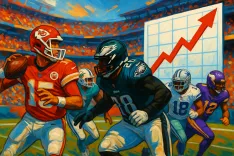
The trade that sent A.J. Brown from the Tennessee Titans to the Philadelphia Eagles is a prime example of a one-sided deal. In exchange for the talented wide receiver, the Titans received a first-round pick (No. 18 overall) and a third-round pick (No. 101 overall). The Titans opted against providing Brown with a long-term extension, a decision they quickly regretted as Brown emerged as a key weapon for quarterback Jalen Hurts and helped lead the Eagles to two Super Bowl appearances in his first three seasons.
The Titans’ decision to select Treylon Burks with the 18th pick has not paid off, as Burks struggled due to injuries over the following years and was waived by the Titans in July 2025. Meanwhile, the Eagles flipped Brown for another first-round pick in 2026 after his initial success, emphasizing the immediate impact of this trade for Philadelphia.
The Juan Soto Blockbuster: San Diego vs. Washington
In a high-profile trade, the Washington Nationals sent superstar Juan Soto and Josh Bell to the San Diego Padres in exchange for a host of prospects including CJ Abrams and MacKenzie Gore. At first glance, San Diego appeared to secure one of baseball’s greatest talents; however, the Padres never realized postseason success with Soto and traded him to the Yankees just a year and a half later.
In contrast, the Nationals capitalized by assembling a solid young core. The inequality of this trade has led to discussions about the long-term implications for both franchises, highlighting how building for the future can sometimes outshine the allure of acquiring a star.
Kawhi Leonard’s Impact on the NBA
The trade that sent Kawhi Leonard and Danny Green to the Toronto Raptors marked a dramatic shift in NBA dynamics. Despite Leonard having only a year remaining on his contract, the Raptors gambled and ultimately won by clinching their first championship in franchise history during the 2019 postseason.
The trade cost the San Antonio Spurs DeMar DeRozan and Jakob Poeltl, who, while solid players, could not replicate the high level of performance Leonard delivered. This trade underscores the potential rewards of taking calculated risks within sports franchises.
Micah Parsons vs. Kenny Clark: A Gray Area Trade
In a recent trade, the Dallas Cowboys dealt edge-rusher Micah Parsons to the Green Bay Packers for Kenny Clark and two future first-round picks. The jury is still out on whether the Cowboys made a wise decision, but Parsons’ ascent as one of the NFL’s top defenders raises concerns about the return Dallas secured.
While Clark is a reliable interior lineman, he pales in comparison to Parsons’ impact on games. The uncertainty around the future picks highlights the risk of trading proven talent for untested potential.
The Mookie Betts Trade: Boston's Regret
In 2020, the Boston Red Sox made the decision to trade MVP outfielder Mookie Betts and pitcher David Price to the Los Angeles Dodgers. The motivation behind the trade was financial, but it ultimately cost the Red Sox one of the premier talents in baseball.
The Dodgers benefited hugely from this acquisition, leading to multiple championships and significant contributions from Betts. Meanwhile, Boston's return, which included Alex Verdugo, pales in comparison and serves as a stark reminder about the consequences of prioritizing finances over talent.
Randy Moss: The Ultimate Regret for Oakland
The decision to trade Hall of Fame wide receiver Randy Moss to the New England Patriots for a fourth-round pick was disastrous for the Oakland Raiders. Moss went on to secure his place in history with monumental seasons alongside quarterback Tom Brady, including a record-breaking year in 2007.
In contrast, the Raiders hardly profited from the low return, cementing this trade as a glaring example of a miscalculation that gifted a rival a game-changing player.
Oklahoma City’s Harden Mistake
The Oklahoma City Thunder's decision to trade James Harden to the Houston Rockets in a bid to save money stands as one of the league's biggest blunders. Shipping out a player who would evolve into an MVP and scoring champion, Oklahoma City settled for role players that could not replicate his brilliance.
This missed opportunity not only dampened the Thunder's chances at catalyzing a dynasty but also altered the course of the NBA landscape, showcasing the risks associated with valuing short-term financial flexibility over long-term success.
The Deshaun Watson Trade: Cleveland's Desperate Move
Cleveland's trade for Deshaun Watson, which included three first-round picks, sent shockwaves through the NFL. Despite looming legal issues surrounding Watson, the Browns provided him with the largest guaranteed contract in NFL history.
The aftermath has been tumultuous, with Watson's performance suffering from injuries and controversies, leading owners to concede that the trade was a monumental miscalculation. While Cleveland sought their franchise quarterback, the fallout could haunt the team for years.
Celtics and Nets: A Trade for the Ages
The trade that saw the Celtics acquire a haul of draft picks from the Brooklyn Nets for aging stars Paul Pierce and Kevin Garnett remarkably changed the course for both franchises. While the Celtics leveraged those picks to build a championship roster, the Nets' investment went awry, leading them into obscurity.
This deal epitomizes the consequences of gambles made in hopes of immediate success versus prudent rebuilding strategies.
Conclusion
In the unpredictable world of sports, trades can significantly alter not just team dynamics but also the trajectories of franchises. Understanding the ramifications of one-sided deals offers valuable lessons for both teams and fans alike.