
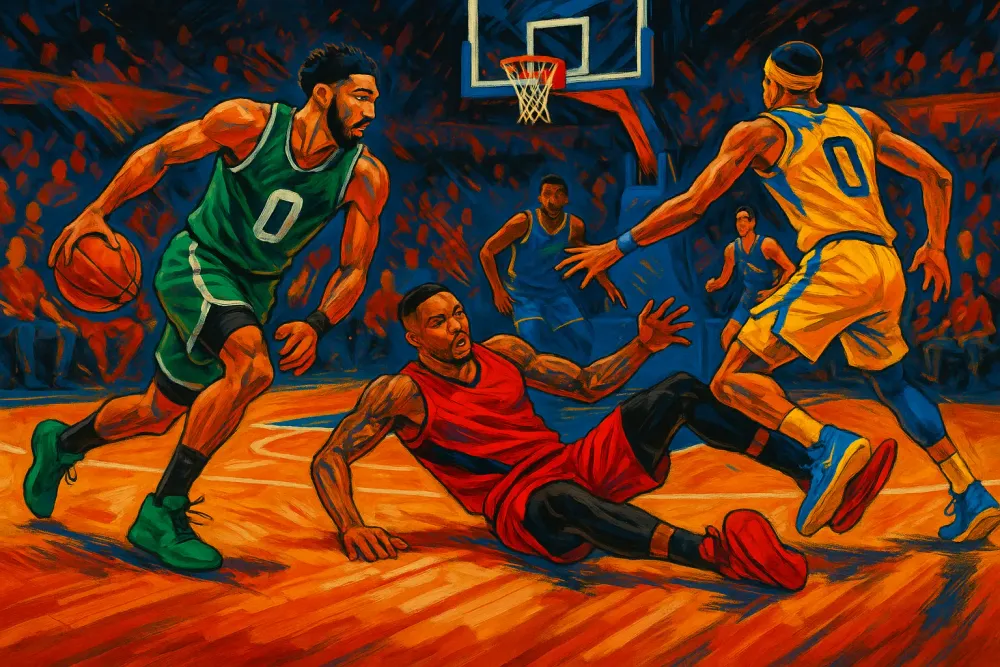
A recent study published in the Orthopaedic Journal of Sports Medicine has sparked significant debate regarding the correlation between increased playing minutes and Achilles tendon injuries among NBA players. The research indicates a notable pattern: players who experienced spikes in workload within the 10 to 15 games leading up to an Achilles rupture were at a greater risk of sustaining such injuries. This revelation has drawn attention, particularly in light of the NBA's own findings which cast doubt on these conclusions.
Research Findings on Achilles Injuries
The study, as reported by Mike Vorkunov of The Athletic, highlights that while veteran NBA players typically manage heavier cumulative workloads, younger players were more likely to suffer tendon ruptures even under lighter usage. Such results raise vital questions about training regimens and load management, particularly as teams strategize for player health and performance over a grueling season.
NBA's Response
In response to the study, the NBA expressed strong skepticism towards its methodologies. Dr. John DiFiori, the league's Director of Sports Medicine, emphasized the importance of a thorough understanding of Achilles tendon injuries. He stated that independent reviews of league data spanning from the 2012-13 season to the present revealed no discernible relationship between minutes played and the incidence of Achilles injuries.
“While we welcome continued learnings, we believe the recent paper on this topic has important methodological limitations,” Dr. DiFiori asserted. This marked divergence in findings highlights the ongoing challenge within sports medicine: balancing empirical research with real-world athletic performance.
A Recent Surge in Injuries
The context of this research is particularly pressing given the NBA’s recent injury statistics. The 2024-25 season witnessed a notable increase in Achilles tears, with seven high-profile players, including stars like Jayson Tatum, Damian Lillard, and Tyrese Haliburton, succumbing to this injury. This surge is alarming when compared to previous seasons, especially when only one player, Minnesota’s Donte DiVincenzo, suffered an Achilles injury in the preceding season.
Historically, the NBA had never recorded more than four Achilles tears in any single season before this recent spike, making the current trend a focal point for teams and medical staff alike. Understanding the underlying causes of these injuries could lead to improved training techniques and injury prevention strategies.
The Importance of Load Management
As the league continues to evaluate this contradiction between external study findings and its internal data, the topic of load management becomes increasingly significant. Teams have started to pay closer attention to player workloads, factoring in rest days and training loads to mitigate injury risks. The looming question remains: how can franchises better prepare their players for the rigors of an 82-game season while preventing injuries?
The focus on individualized training plans could provide the solution, allowing players to manage their energy output effectively throughout the season. The varying responses of veteran and younger players to similar workloads could necessitate a tailored approach to each athlete's regimen.
Future Directions for Research and Player Health
The NBA’s commitment to advancing research centered on player health and performance is clear. The league’s own studies involving independent epidemiologists aim to reconcile these findings with practical applications that could affect player longevity and success. Collaborative research efforts will be critical in the future to ensure that increasing awareness around injury prevention styles and methods translates into real on-court success.
As the NBA navigates the complexities of player health, the implications of this study will undoubtedly fuel discussions among teams, trainers, and players. The merging of data-driven insights with day-to-day realities of the NBA will mold a new landscape in which sports medicine and athletic performance can converge for the betterment of player safety.