NBA Trade Deadline Disappointments: Teams Struggle to Compete
Introduction
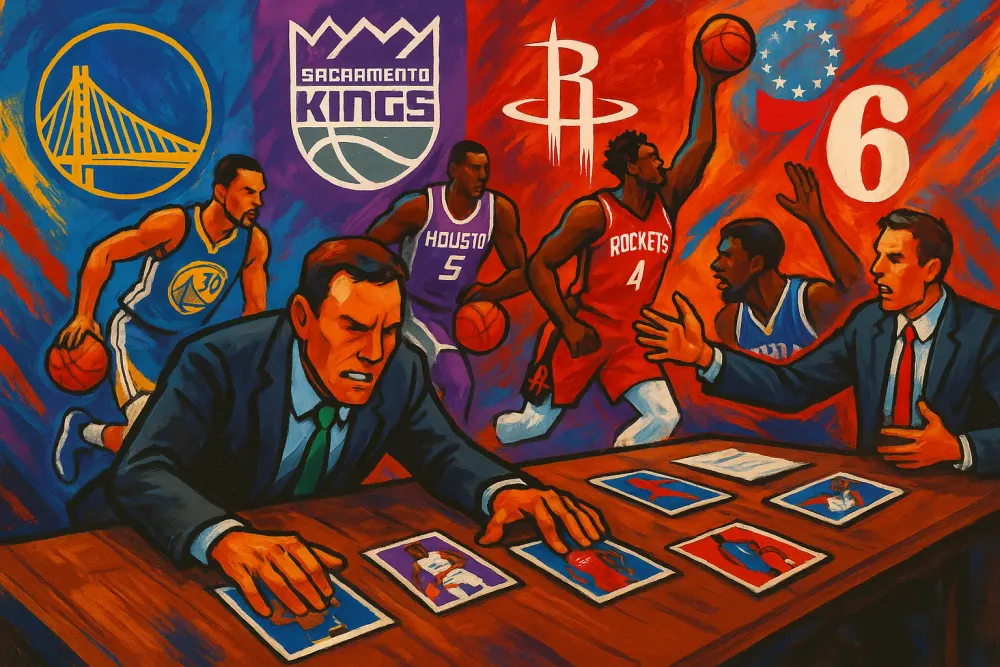
The NBA trade deadline is a pivotal moment each year, where franchises must choose between pursuing a playoff run or focusing on rebuilding for a brighter future. The period is known for significant trades, unexpected roster moves, and shifting power dynamics. This season has seen several teams grappling with their decisions post-deadline, leading to surprising outcomes that are leaving analysts scratching their heads. In this article, we examine some of the most disappointing teams since the trade deadline, highlighting key factors at play.
Golden State Warriors: A Recipe for Disappointment
Since the trade deadline, the Golden State Warriors have recorded a disappointing 6-12 record, primarily due to injuries decimating their lineup. The absence of superstar Stephen Curry, who has been sidelined since January 30 with a knee injury, has hindered their performance significantly. Additionally, they lost another star player, Jimmy Butler, to a torn ACL just days before the deadline, putting even more pressure on the team's ability to compete.
Desperate for reinforcements, the front office opted for a trade that involved acquiring Kristaps Porziņģis. However, this move has backfired dramatically. Porziņģis’s history of injuries has limited him to just six appearances since joining the team, further complicating their campaign and diminishing their playoff aspirations. As the Warriors hover dangerously close to the bottom of the standings, decisions made in the front office come under scrutiny. Holding onto potential future stars like Jonathan Kuminga only to trade him for a part-time player like Porziņģis raises questions about their long-term strategy.
Sacramento Kings: Winning in a Losing Strategy
A parallel narrative unfolds in Sacramento, where the Kings have unexpectedly improved their performance despite entering the trade deadline as the team with the worst record in the NBA. With a 6-6 record over their last 12 games, they're managing to win games in scenarios intended for a rebuild, leaving them vulnerable to losing valuable draft positioning. Veterans like DeMar DeRozan and Russell Westbrook, who should have been traded or bought out at the deadline, are now hampering the team's long-term goals.
The Kings’ approach reflects a concerning trend in the league where the quest for victory drives franchises to overlook their rebuilding needs. Despite the potential to secure a high draft pick, this unexpected resilience might cost them the opportunity to attract young talent in the offseason.
Houston Rockets: The Cost of Passivity
In a contrasting scenario, the Houston Rockets chose to remain inactive during the trade deadline, a decision that significantly undermines their quest for a playoff position. Attempting to manage injuries—particularly the loss of Fred VanVleet to a season-ending ACL tear—has forced the Rockets into an ineffective strategy, relying heavily on a 37-year-old Kevin Durant. Currently posting a modest 10-9 record since the trade deadline, Houston’s desperation for offensive solutions is apparent, particularly given their dismal assist-to-turnover ratio.
The recent struggles against teams like the Los Angeles Lakers underscore the pitfalls of their stagnant approach. By failing to acquire a starting point guard or an impactful role player to facilitate offense, the Rockets risk alienating talented assets and squandering their potential for playoff success.
Philadelphia 76ers: A Downward Spiral
The Philadelphia 76ers, once positioned as serious contenders in the Eastern Conference with a promising 29-22 record at the trade deadline, have spiraled into chaos. Their record post-deadline of 8-11 with a troubling minus-7.2 net rating echoes the injuries to star players Joel Embiid and Tyrese Maxey that have both impacted their on-court execution and lineup stability.
When they unexpectedly decided to sell off assets, trading Jared McCain to the Oklahoma City Thunder for draft picks, it raised eyebrows across the league. With a near $300 million tied up in contracts for injured stars, their future remains tenuous while they scramble to regain competitiveness in the East.
Denver Nuggets: A Fall from Grace
The Denver Nuggets were positioned to stand out in the Western Conference, yet their play since the trade deadline has resulted in mediocrity. Sporting a mere 9-9 record since February 5, the Nuggets have fallen from the third seed to sixth, teetering perilously close to the play-in territory. Unlike teams bogged down by injuries, the Nuggets have largely remained healthy, which raises questions about their strategies and execution on the court.
Star player Nikola Jokić’s slump in performance, alongside a faltering offense, has exposed flaws that need immediate addressing. A suspect defense ranking 14th overall fails to uphold the championship standards expected of this team.
Conclusion
The aftermath of the NBA trade deadline has laid bare the challenges facing several franchises across the league. From the Warriors to the Nuggets, teams grappling with their respective identities, imposed timelines, and inconsistency showcase that decisions made during this critical period can echo through the season. As playoff aspirations begin to slip away, these franchises must re-evaluate their strategies, not just for the remainder of the season, but for the future beyond.