This NBA season, one topic seemed to dominate conversations among analysts, fans, and even the league's commissioner: tanking. As the All-Star break approached, the ongoing discourse raised eyebrows, leading to recent discussions about potential solutions to what many believe is the league's biggest issue. After a bold yet ineffective move made in 2017, the NBA appears prepared to reintroduce and expand a controversial system that many argue contributed to the very problem it aims to rectify.
The Flawed 2017 Lottery System
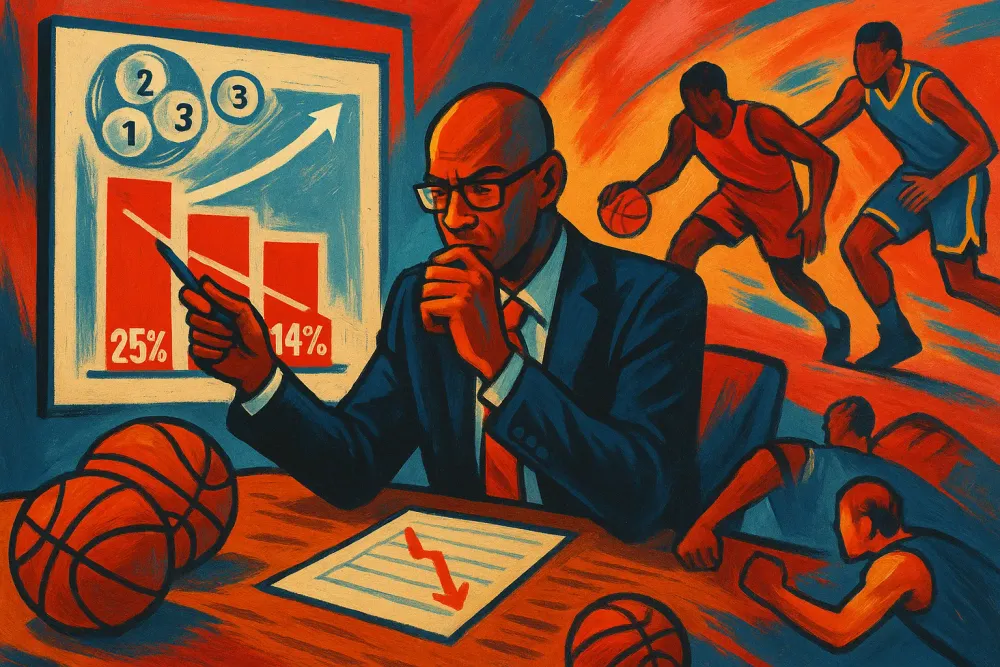
In 2017, the NBA aimed to deter teams from tanking—the strategic losing of games to secure higher draft picks—by altering lottery odds. The worst team in the league saw its chances to secure the top pick decrease from 25% to 14%, putting the focus on the three least successful teams, each afforded that same chance. The expectation was that this would foster competition late in the season, but the implementation revealed unintended consequences.
Fans and analysts alike observed an increasing number of teams opting to lose rather than chase a play-in tournament spot. The flattened lottery odds inadvertently incentivized a race to the bottom, further contributing to the pervasive culture of tanking.
A New Proposal: Expanding the Lottery
Fast forward to this week, and reports indicate that the NBA is set to unveil its newest solution to the tanking dilemma, dubbed the "3-2-1 lottery". According to ESPN's Shams Charania, this proposal would expand the lottery from 14 to 16 teams, with teams that miss the playoffs or play-in tournament, yet remain out of the relegation zone (the positions between four and ten), receiving three lottery balls. In contrast, those with a bottom-three record would only secure two balls, but would also be guaranteed a top-12 pick.
The league's efforts to modify the policies reflect a desire to strike a balance between rewarding poor performance while still allowing for competitiveness across the board. However, concerns arise regarding the same pitfalls seen in the previous system. By allowing a broader swath of teams better chances for lottery picks, the league may further encourage teams to game the system.
Implications of the Proposal
Critics of the plan point to the unintended consequences that previous reformulations have triggered. By increasing the risk-reward dynamic among teams, there is potential for the new system to create more opportunistic scenarios for teams hovering around mediocrity. Teams might choose to tank in hopes of earning one of the three lottery balls designated for those finishing in the bottom tier of the standings. This could lead to a situation where competitive integrity is compromised, drastically skewing the balance of talent across the league.
Add to that the suggestion that teams could win the top pick in consecutive years or earn multiple top-five selections. Should that occur, it would reward the teams least capable of leveraging their advantages, deepening the disparity between franchises that consistently remain in contention and those that struggle.
Looking Backwards to Move Forward?
Reflecting on the previous system reveals that the 25% chance allocated to the worst team had, in many ways, maintained a sense of competitive balance for over two decades. Teams were less inclined to simply lose games, knowing that their chances of acquiring top talent were substantial without compromising their image as a competitive body. In essence, tanking was a less attractive option than fighting for competitive viability.
With the new proposal, questions loom regarding its efficacy. Will this significant recalibration of the lottery actually motivate a wider range of teams to strive for victory? There exists a prevailing sentiment that front offices are filled with skilled strategists who will seize any opportunity to navigate the new terrain, including potential exploits of this fresh approach.
The Broader Picture
As the NBA contemplates revisions to its lottery policy, discussions also arise regarding more fundamental issues within the league. Topics such as the ongoing challenges of flopping, interpretations of traveling calls, and the need for tighter competitive balance are often sidelined for the sake of addressing tanking. However, fundamentals might deserve just as much attention to reinforce a fair and equitable structure among competing franchises.
As the season progresses, the league's ability to foster a healthy competition environment—and how teams respond to potential changes to lottery mechanics—will become a narrative worth following. Only time will tell if these adjustments succeed in curtailing the clear trend of tanking or if it propels more teams toward strategic losses.