NBA's Struggling Teams: Ownership's Role in Poor Performances
Introduction
The NBA is an arena where triumph and despair often go hand-in-hand, with franchises frequently caught in cycles of hope and disappointment. As the league approaches a new season, the focus has intensified on its underperforming teams. In this piece, we delve into the league's five worst franchises and explore what truly lies at the heart of their struggles. Ownership plays a pivotal role in determining a team's fate, and a closer examination reveals that the issues faced by these franchises are often rooted at the top.
The Importance of Ownership
A successful NBA franchise typically requires a coherent vision and sound decision-making at the ownership level. When a team consistently fails to meet expectations, one can trace the failures back to the individuals signing the checks. While individual seasons of struggle can be attributed to a variety of factors, prolonged periods of ineffectiveness often signal deeper flaws in leadership. Therefore, understanding ownership’s impact is crucial when analyzing the league’s least successful teams.
The Brooklyn Nets: A Case of What Could Have Been
The Brooklyn Nets have found themselves mired in the depths of the league's standings, a stark contrast to the promise shown just a few years prior. The turning point for the franchise might have been a single moment in time: Kevin Durant's infamous toe-on-the-line three-pointer against the Milwaukee Bucks in the 2021 Eastern Conference Semifinals. Had Durant's foot been positioned a fraction back, the Nets might have claimed victory and, in turn, altered their trajectory dramatically.
Imagine a scenario where Brooklyn perseveres through the postseason and solidifies a strong core with stars like James Harden and Kyrie Irving remaining intact. This hypothetical success could have transformed the franchise's future, avoiding the subsequent teardown that now sees the Nets searching for their next cornerstone player while juggling the consequences of a trade-laden past.
The Washington Wizards: Difficult Draft Experiences
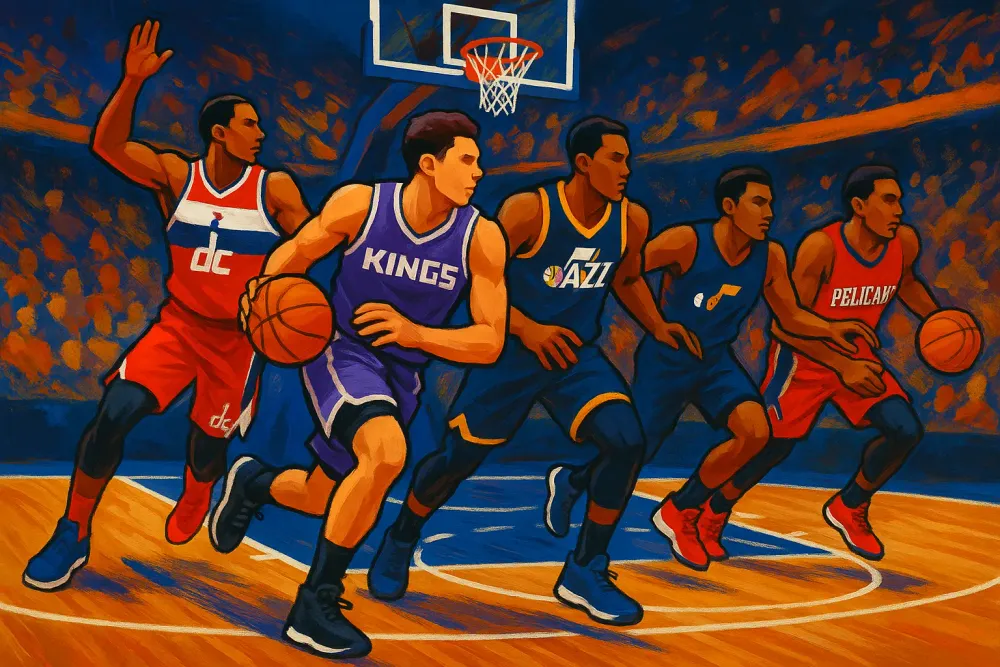
In the case of the Washington Wizards, their recent struggles stem from a flawed rebuild strategy rather than lacking vision. Ownership made a prudent decision to part ways with long-time star Bradley Beal, initiating a rebuilding process aimed at accumulating young talent. Yet, the Wizards have been plagued by lottery misfortunes that have left them continually bereft of top-tier picks.
For instance, possessing a 14 percent chance at securing the top pick in the 2025 draft, the team slid to sixth overall. The disappointments continued, with their No. 2 pick in 2024 not yielding a strong class beyond top talent. Despite intentions to rebuild, the Wizards appear set to languish near the bottom again this season, struggling to attain a bottom-four record in a draft loaded with potential stars.
The Sacramento Kings: Ownership-Induced Dysfunction
The Sacramento Kings, under Vivek Ranadive's leadership since 2013, have epitomized dysfunction within the league. Despite fielding some talent, the team has mustered only two winning seasons which are overshadowed by an absence of playoff accomplishments. A fair criticism is that Ranadive’s unpredictability and lack of commitment to developing talent have compromised the team's potential for growth.
From questionable draft selections to a litany of coaches cycling through the franchise, King's identity has been marred by mismanagement and impatience. A prime example is Mike Brown, the Coach of the Year, who suddenly found himself without a job. The dismantling of promising player De'Aaron Fox's reputation contributed to the franchise's latest bout of dysfunction, effectively stunting its growth at every turn.
The Utah Jazz: A Misguided Path to Competence
Under the leadership of Danny Ainge, the Utah Jazz embarked on a refreshingly bold journey. Ainge's dismantling of a perennial playoff roster brought in an array of first-round picks and key players like Lauri Markkanen. However, the irony lies in their overachievement, leading to a reality where the Jazz's competence has become a hindrance.
Instead of falling into the expected bottom-tier ranks, Utah's efforts to remain competitive have jeopardized their chances in the loaded draft classes that followed. Their strategy ultimately forced them to start making risky trades for high-priced contracts, indicating a miscalculation in timing and roster construction that may haunt them in the coming seasons.
The New Orleans Pelicans: The Shadows of the Saints
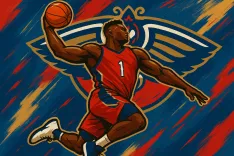
The New Orleans Pelicans have struggled to find their identity, overshadowed by the success of the NFL's New Orleans Saints. For years, the perception that the Pelicans were secondary to the Saints in terms of ownership priority has led to the erosion of their competitive spirit and efficacy. Former star Anthony Davis's dissatisfaction with the organization was indicative of deeper issues associated with resource allocation and management style.
Recent hires like Joe Dumars have been met with skepticism, suggesting a trend of uninspired decisions stemming from ownership's failure to provide the necessary support and engagement required for sustained success. The lack of a rigorous search process only serves to continue the organization’s trajectory of mediocrity, a trend demonstrated by the detrimental trade decisions that jeopardized their future through a misguided focus on immediate results instead of long-term progression.
Conclusion
The struggles of the NBA's least fortunate teams reveal a consistent theme: the significant influence of ownership on franchise success. As these teams eye future drafts and rebuild efforts, it becomes clear that for substantial change to occur, ownership must prioritize stability, long-term vision, and an unwavering commitment to nurturing talent. Without addressing these foundational issues, the past will likely repeat itself, ensuring another cycle of disappointment for fans.