NBA's Quest for a Solution to Tanking
As the 2026 NBA season looms, discussions surrounding the prevalent issue of tanking in the league have gained momentum. According to recent reports from The Athletic's Sam Amick, a preferred course of action is taking shape in addressing this persistent problem. With fanfare and debate surrounding potential remedies, the league appears closer than ever to implementing changes that could reshape the very fabric of the draft lottery.
The Proposed Changes
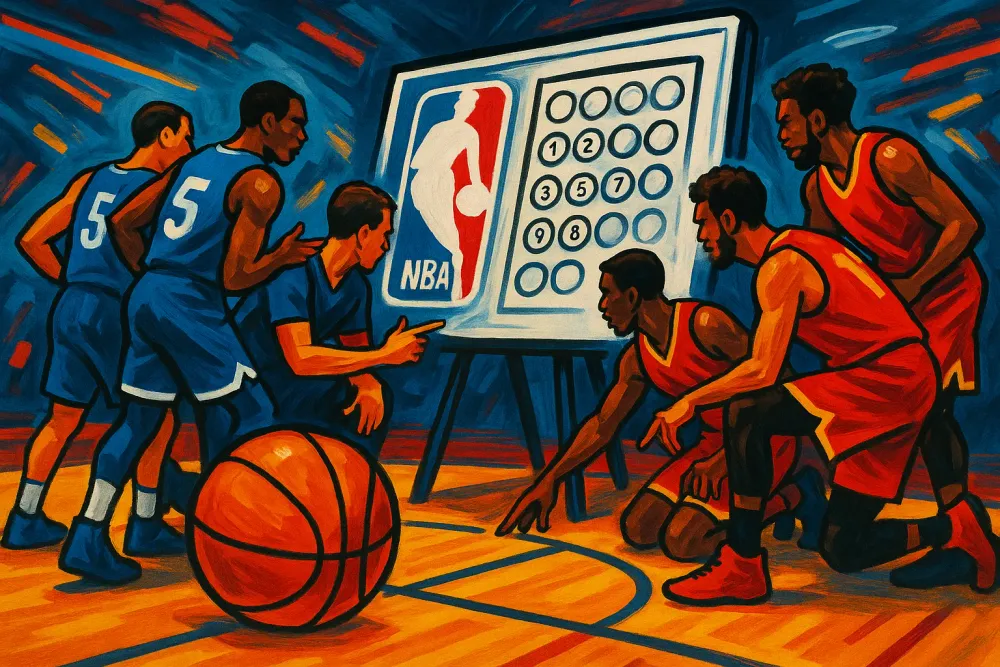
Amick outlines that among the three proposals currently on the table, one option has emerged as a clear frontrunner. This primary proposal, dubbed “Option No. 1,” would significantly alter the current draft lottery structure. Instead of the existing 14 teams involved in the lottery, the new framework would expand participation to 18 franchises. Additionally, the bottom 10 teams would each hold an equal 8 percent chance of securing the coveted No. 1 overall pick. The remaining eight teams would share the remaining 20 percent odds, distributed among them proportionally.
Under the current system, the bottom three teams have a 14 percent shot at the top pick, creating a race among the league's least successful franchises to improve their lottery odds. The proposed changes, however, aim to level the playing field and potentially discourage the practice of intentionally losing games – often referred to as “tanking.”
Support and Concerns
Amick emphasized that while “Option No. 1” enjoys considerable momentum, it's not without its detractors. One major concern surrounding the new proposal is the possibility of a team that has qualified for the playoffs unexpectedly winning the draft lottery. This hypothetical situation raises questions about the integrity of the lottery system, as proponents of tanking reform seek to ensure that the process rewards fair play and competitive spirit.
Incidents from past lotteries illustrate the potential for unforeseen outcomes. For example, in 2024, the Atlanta Hawks achieved the No. 1 selection despite entering the lottery with a mere 3 percent chance. Similarly, the Cleveland Cavaliers dramatically defied the odds in 2014, winning the lottery with only a 1.7 percent chance. Such scenarios could undermine confidence in a reformed system and highlight the complexity of implementing effective solutions.
Commissioner Silver's Stance
NBA Commissioner Adam Silver has publicly recognized the challenges posed by tanking and has expressed a strong commitment to addressing the issue. In remarks made earlier this year, he stated, “I do think ultimately this is a decision that needs to be made at the ownership level. It has business implications, basketball implications, and integrity implications for the league. So, it's one that we take very seriously, and we are going to fix it. Full stop.”
This acknowledgment from Silver signals a shift in focus, emphasizing that the responsibility for addressing tanking lies within the hands of team owners. Advocating for a collaborative approach, the league leadership is keen on enacting changes that resonate with both the competitive nature of the sport and the expectations of its fanbase.
The Realities of Reform
Despite the efforts to tackle tanking through proposed draft lottery reforms, experts caution that a definitive solution may remain elusive. The current debate over lottery changes is merely the latest chapter in a lengthy saga; Silver has been compelled to confront the issue for almost a decade. The cyclical nature of team performance often leads to a situation where certain franchises view losing as a strategic move to enhance their standing in the draft and acquire elite talents.
The reality remains stark: as long as the draft exists, some teams will likely prioritize securing high picks over winning games. Fans have often rallied for more stringent measures to prevent tanking, suggesting that true reform may require innovative approaches that span beyond merely altering lottery odds.
Looking Ahead
Ultimately, the NBA’s consideration of lottery reform reflects broader objectives of promoting competitive balance and fostering a more authentic sporting environment. As discussions continue, franchises, fans, and analysts alike await the decision that could redefine how the league approaches team building and success.
Regardless of the outcome of these discussions, individuals within the league remain vigilant. Continued scrutiny over the draft process and the inherent incentives within it will likely prompt ongoing dialogue about how to ensure equitable opportunities for all teams. Just as the basketball landscape evolves, so too must the systems in place to govern it.