As August approaches, the NBA offseason has calmed down significantly, allowing analysts to reflect on the biggest winners of the summer. Notably, this year's silent deals and strategic maneuvers have defined several teams’ offseasons, particularly those that excelled without the fanfare of high-profile acquisitions. Teams like the Miami Heat and Philadelphia 76ers have made significant moves, but will not receive recognition here. Instead, our focus is on teams that took a quieter approach yet still reaped considerable rewards.
San Antonio Spurs: Strategic Extensions and Solid Signings
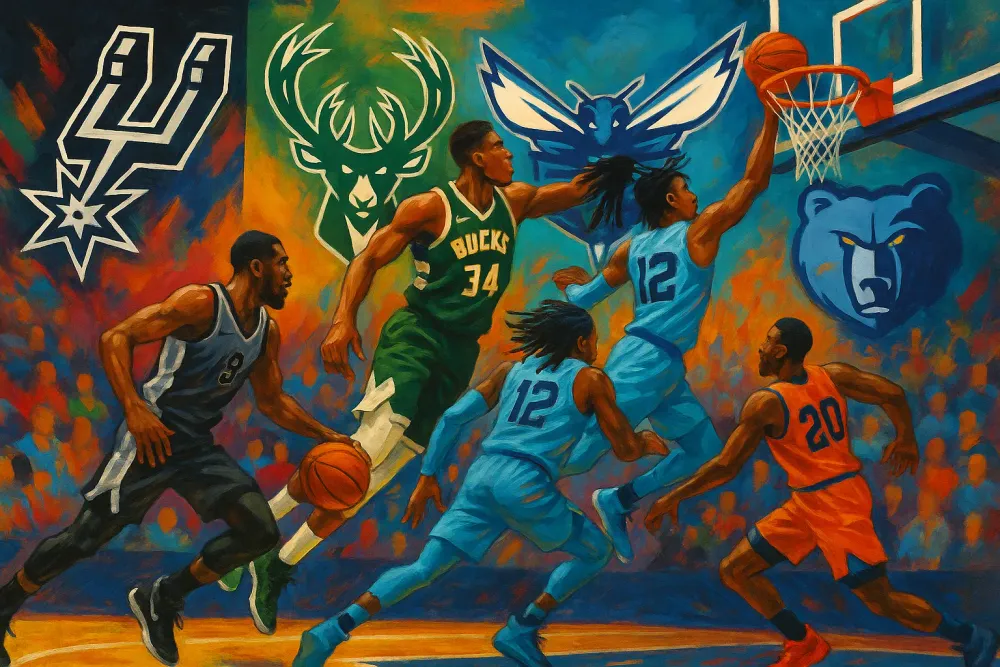
The San Antonio Spurs, after evaluating their journey to the Finals, concluded that their experience was ultimately beneficial despite their loss. This offseason, they made several strategic moves that amplified their roster's potential. One of their most notable signings was securing Julian Champagnie on a three-year deal worth $45 million, a financial commitment usually reserved for players further down the rotation, especially notable for a 25-year-old who proved himself as a vital starter in the Finals.
In addition to Champagnie, veteran Harrison Barnes returns for a relatively modest $8 million. Barnes' experience should provide essential leadership for the young Spurs. Additionally, Tobias Harris was signed on a two-year deal that adds much-needed depth and scoring ability at the forward position, particularly in playoff scenarios where he could prove invaluable. Most importantly, the Spurs managed to sign Victor Wembanyama to an extension that saves them about $10 million per season over the next five years. While Harris is a key addition on paper, the extensions of existing stars and the overall self-evaluation of the team are what defined the Spurs’ offseason success.
Utah Jazz: Capitalizing on Opportunities
The Utah Jazz entered the offseason with specific goals and were able to capitalize on unexpected opportunities. They made a significant move by trading away Walker Kessler to the Los Angeles Lakers, securing two first-round picks and two additional swaps in return. This swap added to the Jazz’s already impressive collection of draft capital, which they now wield as leverage for potential future trades, mimicking past successes achieved by teams such as the Clippers and Celtics in similar situations.
Even after their notable loss, the Jazz proceeded to sign back Jusuf Nurkić for two years at $22 million and added Jaxson Hayes for two years at $12 million, reinforcing their depth in the center position. Josh Okogie’s signing provides another defensive option on the wing. On the draft front, Utah selected No. 2 pick Darryn Peterson, a player expected to emerge as one of the top shooters in the 2026 draft class. This calculated offseason solidified the Jazz’s position as a team to watch in trade discussions aiming for star acquisitions in the future.
Milwaukee Bucks: Maximizing Returns and Strategic Rebuild
The Milwaukee Bucks faced significant changes this offseason, primarily triggered by the trading of Giannis Antetokounmpo. Surprisingly, they managed to turn what many viewed as a potential loss into a resounding win. The trade with the Miami Heat brought back a robust package, including Tyler Herro and Jaime Jaquez Jr., along with several draft picks – a return that exceeded expectations given the circumstances surrounding Giannis’ contract status.
Aside from capitalizing on the trade, Milwaukee bolstered their roster further by selecting Summer League standout Brayden Burries and adding intriguing forward Ousmane Dieng on a cost-effective deal. Despite potential scrutiny over Gary Trent Jr.'s contract, the Bucks' strategic moves signal that they are positioning themselves wisely for a competitive future while maximizing their returns.
Charlotte Hornets: Bold Decisions for Future Growth
In what could be the most polarizing move of the offseason, the Charlotte Hornets traded star point guard LaMelo Ball. While such a decision naturally disappointed some fans who admired Ball’s talent, it also showcased Charlotte’s willingness to pursue more ambitious goals. By trading Ball, who has had notable health issues and off-court concerns, the Hornets demonstrated a commitment to a future-oriented strategy.
The Hornets gained Naz Reid and a valuable first-round pick from the Minnesota Timberwolves, alongside re-signing Coby White for three years, providing an economical offensive solution that could fill much of the void left by Ball. Additionally, a deal with the Phoenix Suns netted further assets, including an unprotected first-round pick for Miles Bridges. Whether this strategy will pay off remains to be seen, but their proactive approach positions them well for the future.
Memphis Grizzlies: Patience and Preservation
The Memphis Grizzlies underwent an important transition by parting ways with Ja Morant, all while retaining critical assets and demonstrating patience in the process. Their offseason moves primarily focused on ensuring financial flexibility and acquiring young talent. Adding Quinten Post via an offer sheet bolsters their front line without long-term risk, especially considering Golden State’s inability to match the deal.
This offseason also saw Memphis enhancing its draft assets by trading for Isaiah Stewart, which they executed through shrewd negotiations around Santi Aldama. Preserving their sizeable traded player exception from previous deals places Memphis in an excellent position for future trades or acquisitions. With the selection of Cam Boozer at No. 3 in the draft, next season could be pivotal for realizing their restructured vision.
As teams like these navigate the complexities of roster adjustments and trades, their quiet yet effective strategies underscore the importance of foresight and calculated risk-taking within an evolving league landscape. The 2026 offseason marks a significant turning point for franchises willing to embrace change and pursue success through thoughtful decision-making.