
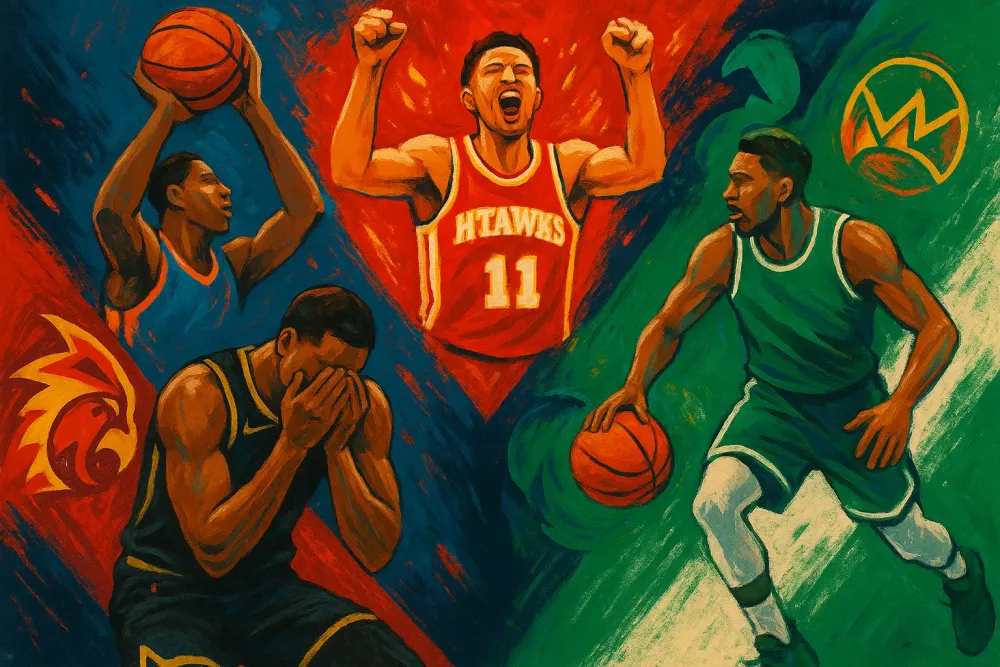
The Optimism of Offseason: A Double-Edged Sword
The NBA offseason is traditionally a time filled with hope, as teams strategize to improve their rosters, create championship contenders, or rebuild from the ground up. However, this summer has seen some perplexing decisions from franchises that have, oddly enough, opted to weaken themselves instead. In this article, we will delve into the missteps from the 2026 offseason and analyze how several teams failed to optimize their positions, creating opportunities for others while hampering their own prospects.
Bostons' Miscalculated Moves
Arguably none have been more bewildering than the Boston Celtics’ decision to trade Jaylen Brown. With three guaranteed years left on his contract, trading him appeared to be counterproductive. The reasoning behind letting him go is questionable at best; did the Celtics truly want to extend him, or were they simply eager to shed his contract?
By opting for Paul George—an older player with a salary that isn’t drastically different and who lacks the two-way potential Brown brings—the Celtics weakened their playoff lineup. Additionally, the rationale behind acquiring Mitchell Robinson becomes even more tenuous when considering they committed 9% of their cap to a player who is frequently limited by minutes and injury. These decisions don’t enhance Boston's title hopes and may reflect a worrying trend of misplaced priorities.
Denver Nuggets: Cost-Cutting and Missed Opportunities
The Denver Nuggets, fresh off a first-round exit, made the puzzling choice to release Peyton Watson, a critical contributor, without acquiring any assets in return. This marks the third consecutive offseason wherein Denver has sacrificed talent for the sake of cutting costs. The blame can be partially attributed to financial restrictions imposed by the second apron; however, it is curious to see a team with a core that includes Nikola Jokić, a generational talent, unwilling to invest in a supporting cast capable of helping them rise to the occasion.
Watson’s four-year, $88 million deal equates to approximately 12.5% of the salary cap—quite reasonable for an emerging talent. Yet, during a time when Jokić is on the brink of potentially signing an extension, why the Nuggets would purposefully let the roster weaken is baffling and could severely affect their competitiveness moving forward.
Los Angeles Lakers: Reckless Roster Decisions
The Los Angeles Lakers may find themselves caught in a web of self-created constraints this coming season. Their decision to invest heavily in Walker Kessler—four years, $129.5 million—while sacrificing four first-round picks raises eyebrows. Although Kessler has undeniable value, the Lakers are now dependent on him developing into a defensive powerhouse reminiscent of Rudy Gobert. The choices surrounding Kessler are exacerbated by a series of questionable personnel decisions, including giving guaranteed contracts to players like Sandro Mamukelashvili and Quentin Grimes when more reliable options were available at a lower cost.
While the Lakers aim to remain competitive in the Western Conference, the resource allocation put forth this offseason might leave fans questioning whether their championship window has been compromised before it even truly began.
New Orleans Pelicans: A Frustrating Stagnation
In stark contrast to teams like the Kings who seem perpetually stuck, the New Orleans Pelicans occupy a unique and frustrating position: the potential to be competitive is evident, yet the execution remains perplexing. After winning only 26 games last season, the Pelicans failed to capitalize on their desirable player assets, bringing back DeAndre Jordan while hoping for improved health from Dejounte Murray and Herb Jones.
The glaring mismatch in their roster, with an abundance of big men and a lack of defensive anchors, limits their ceiling. Rather than prioritizing a systemic overhaul through trades, the absence of a cohesive plan leaves unclear the direction the franchise intends to pursue. This inability to realign not only dissipates potential but casts doubt on the franchise's future.
Portland Trail Blazers: A Directionless Approach
The Portland Trail Blazers, under new ownership, seem to be in disarray, much to the despair of fans. Cheaping out on essential operational aspects and poor decisions like hiring Micah Nori under questionable terms lead to deeper concerns about the franchise's focus. Even more baffling was the acquisition of Ja Morant, which, while defensible in a vacuum, overlooks the surrounding context completely.
Bringing in Morant complicates their existing roster made up of talented guards and creates concerns about fit and development. Instead of bolstering their strengths, the Blazers appear to be stumbling further away from clarity and cohesion, undermining the progress made from the previous season.
Conclusion: A Summer of Regret
The 2026 NBA offseason highlights the precarious balance teams must maintain between financial feasibility and competitive viability. The decisions made—or not made—by certain franchises reveal not only missed opportunities but also a lack of strategic foresight. As the NBA gears up for the upcoming season, the ramifications of these miscalculations will significantly influence each team's trajectory. It remains to be seen whether these franchises can rectify their missteps or if they will pay dearly for their ill-fated offseason maneuvers.