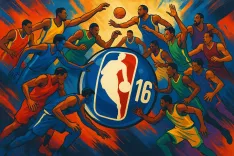
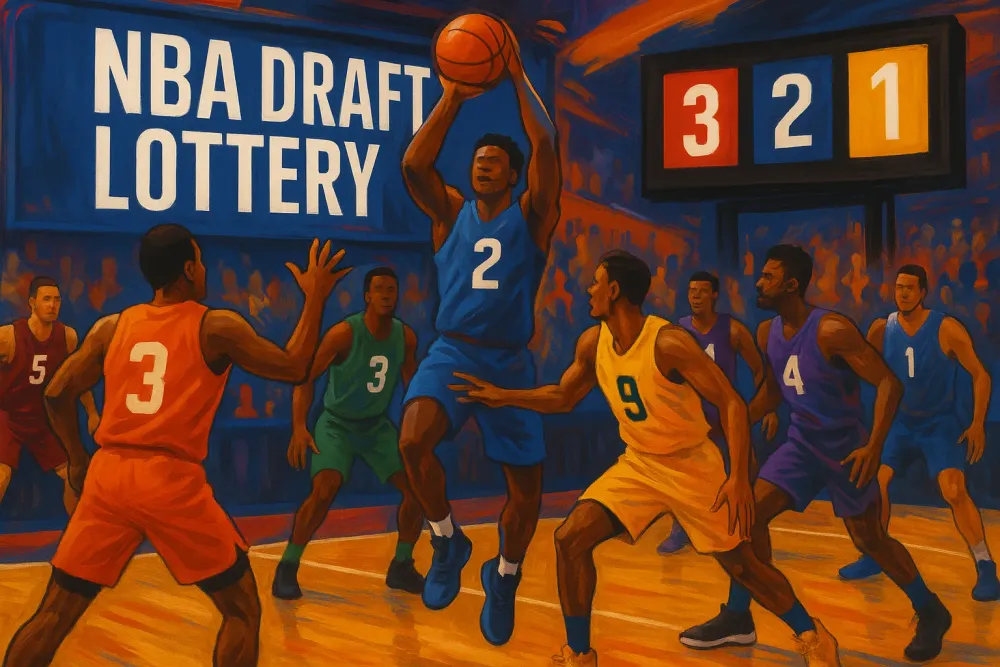
The NBA has taken a significant step toward curbing the controversial practice of tanking by passing a new draft lottery system, known as the "3-2-1" model. This decision was made by the league's Board of Governors on Thursday, which voted in overwhelming favor of the proposal with a count of 29-1, the Memphis Grizzlies being the sole dissenters. According to reports by ESPN's Shams Charania, this revamped system will expand the draft lottery from 14 to 16 teams, modify the odds, and impose penalties on the league's bottom teams.
Understanding the 3-2-1 Lottery System
The primary objective of the new 3-2-1 lottery system is to penalize the teams that finish the season with the worst records. Previously, the current lottery system allowed the bottom three teams to have an equal 14 percent chance of landing the coveted No. 1 overall pick. Under the revamped model, teams with the three worst records will only receive two lottery balls for the No. 1 pick in the draft, while teams with records ranked fourth through tenth will gain a more favorable three lottery balls each. This shift aims to deter teams from intentionally losing games to secure a better draft position.
Impact of the New Rule on Draft Processes
Commissioner Adam Silver emphasized the necessity of addressing tanking, stating, "I do think ultimately this is a decision that needs to be made at the ownership level." The overarching implications of such actions span not only the competitive integrity of the league but also business and reputational aspects. Silver remains committed to ensuring that these changes are effectively implemented from the upcoming 2027 draft and will be assessed again in 2029.
Moreover, the legislation brings forth a couple of additional stipulations: teams will no longer have the opportunity to secure the No. 1 pick in consecutive years, nor can any team select in the top five in three straight drafts. This underlines the league's intent to create a more level playing field and to mitigate the extremes of competitive imbalance.
New Penalties to Discourage Tanking
Alongside the revised lottery system, the NBA is equipping Commissioner Silver with broader authority to address teams perceived to be tanking. This measure includes potential punishments that range from hefty fines of up to $10 million to the forfeiture of future draft picks, modifications to a team's draft position, and alterations in their draft odds. These ramifications highlight the league's serious stance against tanking and the detrimental effects it has on the betting odds and overall fan engagement.
Current Season Context and Future Outlook
This past season, a notable eight teams recorded 26 or fewer wins, with five finishing the campaign with at least 60 losses. Among them, the Washington Wizards—who recorded the worst record at a dismal 17-65—won the draft lottery, positioning them to select top prospects like BYU forward AJ Dybantsa or Kansas guard Darryn Peterson. Under the newly implemented rules, however, the Wizards would not have had as favorable a chance at the No. 1 pick compared to teams that performed slightly better.
With the upcoming changes, the NBA aims to discourage not just bad performances but also the culture surrounding them, fostering an environment where winning is prioritized over strategically losing in pursuit of draft advantages. The decision to initiate these alterations has been met with considerable discussion among stakeholders, as owners and executives weigh the potential financial and competitive implications of such changes.
Looking Ahead: Broader Implications for Teams and Fans
The transition to the 3-2-1 system may shift how franchises approach their season strategies, compelling teams to focus on building competitive rosters rather than embracing the concept of tanking. The reinforcement of these principles, paired with Silver's newfound disciplinary powers, signals a clear message: maintaining integrity remains paramount for the future of the NBA.
For fans, this change could mean a more exciting league, as the stakes will be higher for teams across the spectrum. The anticipation of each game may surge as franchises strive for every win, not just to avoid penalties, but to foster a more vibrant and competitive basketball landscape that fans have come to expect and cherish.