MLBPA Urges Changes in Collective Bargaining Agreement
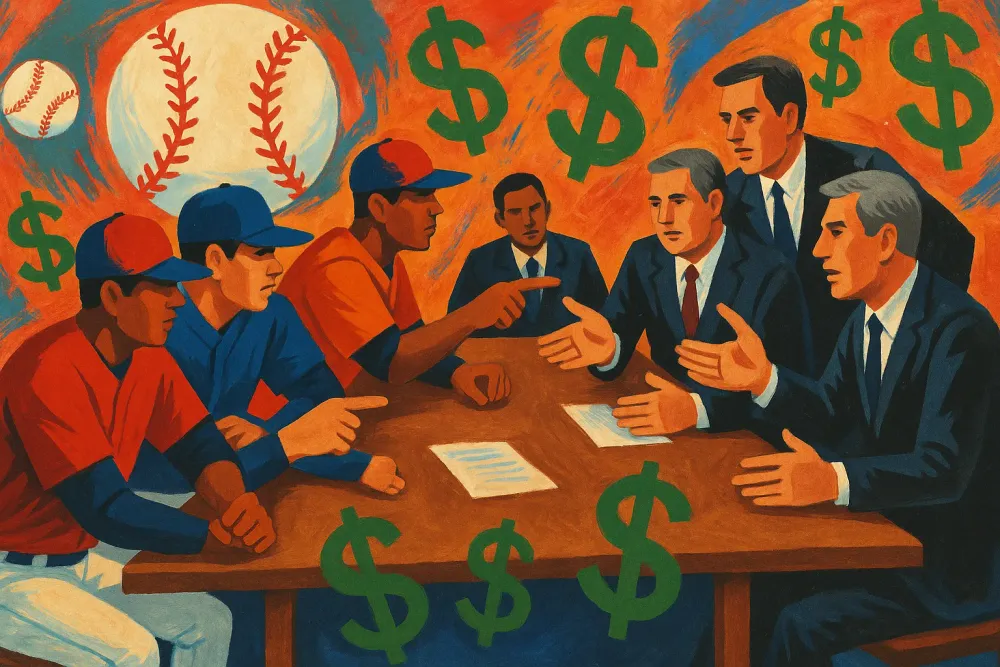
The MLB Players Association (MLBPA) has initiated critical discussions with Major League Baseball (MLB) owners, unveiling a series of proposals that aim to reshape the competitive landscape of baseball. As the expiration of the current collective bargaining agreement (CBA) looms on December 1, the need for a constructive dialogue has never been more pressing.
Competitive Integrity Tax Proposal
At the forefront of the MLBPA's proposals is the introduction of a "competitive integrity tax" for teams that fail to invest at least $150 million in their player payrolls. This new tax is designed to incentivize clubs to remain financially competitive and discourage the practice of “tanking,” where teams intentionally field weaker rosters in hopes of securing higher draft picks.
Minimum Salary Increase
Alongside the competitive integrity tax, the MLBPA is advocating for a substantial increase in the league's minimum salary. The proposal calls for a rise from the current minimum of $780,000 to $1.5 million. This increase aims to provide better compensation for younger players and to ensure that all athletes receive a fair share of the revenues generated by the league.
Changes to Competitive Balance Tax Threshold
The MLBPA has also proposed raising the threshold for the competitive balance tax from $244 million to $300 million. This adjustment would allow higher-revenue teams more flexibility in their payrolls without incurring a tax, encouraging more spending across the league while attempting to level the playing field.
Draft Lottery Expansion and Qualifying Offer Elimination
Another notable aspect of the MLBPA's proposal includes the elimination of the qualifying offer system and the expansion of the draft lottery. The objective of these changes is to discourage teams from deliberately underperforming and to create a more equitable distribution of talent throughout the league. Currently, the qualifying offer system can restrict player movement and stifle potential free agency opportunities for players who deserve the chance to secure better contracts.
MLB's Response and Upcoming Proposals
In response to the union's proposals, MLB released a statement acknowledging the MLBPA’s efforts. However, the league expressed concerns that the suggestions might exacerbate existing competitive balance issues. According to the league, the proposals could lead to greater payroll disparity, particularly highlighting that under the current MLBPA plan, teams like the Los Angeles Dodgers could pay significantly less in luxury tax payments, enabling them to spend even more on payroll.
As part of its forthcoming strategies, MLB is expected to deliver its formal counterproposal, which is likely to include a "hard cap-and-floor system." According to ESPN's Jorge Castillo, this approach aims to set a maximum and minimum payroll limit, potentially reshaping how teams approach their financial commitments to players.
The Clock is Ticking
With the current CBA set to expire soon, the urgency for a resolution is evident. The potential for a lockout looms large if both sides fail to reach a consensus. As negotiations proceed, both the MLBPA and team owners will need to weigh their priorities: maintaining competitive integrity across the league while ensuring that players are fairly compensated for their contributions.
Conclusion
The upcoming CBA negotiations present a pivotal moment for Major League Baseball as the stakes are high for players, teams, and fans alike. The outcome of these discussions has the potential to reshape the sport's economic landscape, emphasizing the necessity for both parties to engage constructively in order to reach a beneficial agreement.