The financial landscape of Major League Baseball (MLB) is a topic of heated debate as the league prepares for upcoming collective bargaining agreement (CBA) negotiations. With the Los Angeles Dodgers leading the charge in player expenditures, other team owners are increasingly vocal about the need for a salary cap. A recent report from ESPN's Jeff Passan indicates that various owners within the league are feeling frustrated by the current financial disparities and are ready to push hard for a reform that could change the way MLB operates.
The Argument for a Salary Cap
A key message from team owners is the belief that a salary cap is essential for creating competitive balance among franchises. Many owners, expressing their urgent sentiments, believe that the introduction of a salary cap would stabilize labor costs and significantly enhance franchise values. As mentioned by one high-ranking league official, owners are "ready to burn the f--king house down" to pursue this agenda during CBA negotiations.
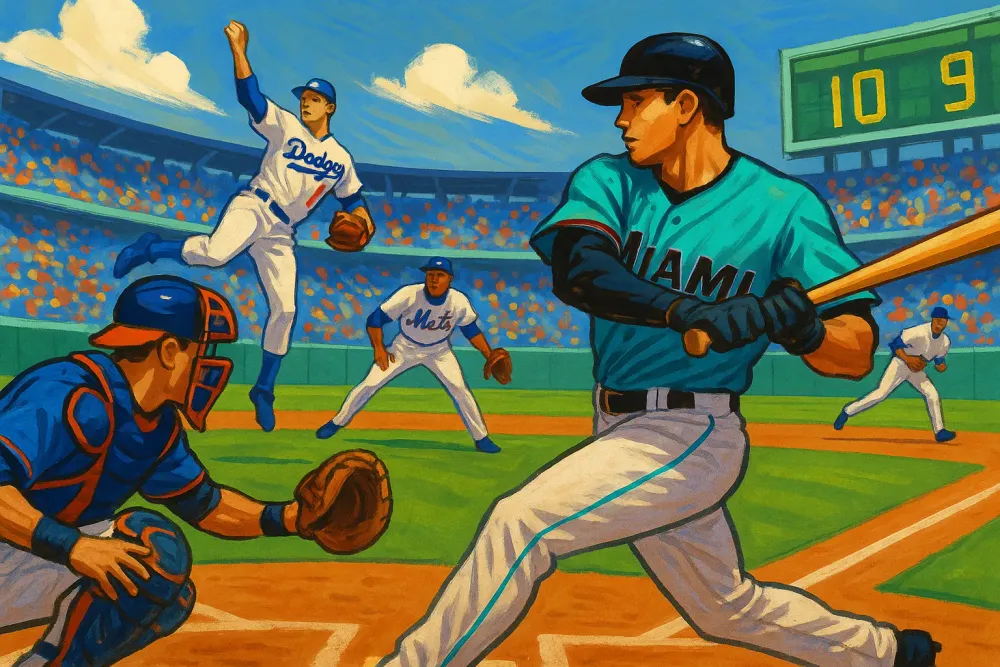
Currently, teams such as the Dodgers are leading the spending spree, with projections suggesting they will spend approximately $551 million in payroll and tax payments combined by the start of the 2026 season. This figure places them at the top of the financial pyramid, shadowed closely by the New York Mets ($484 million) and the New York Yankees ($406.8 million). In stark contrast, organizations like the Miami Marlins are allocating just $78.4 million to their payroll, illuminating a pronounced imbalance across the league.
The Players’ Perspective
In response to these financial maneuvers and the push for a salary cap, the MLB Players Association (MLBPA), led by executive director Tony Clark, has maintained a firm stance against any discussions regarding a cap. Clark has reiterated that the union is "never going to agree to a cap." This resistance from players leads to concerns that the push from owners could culminate in extended negotiations and potential strife, particularly as the current CBA is set to expire in December.
Players are particularly apprehensive about the implications of a lockout, which is becoming increasingly viewed as unavoidable. Prominent players, including Philadelphia Phillies star Bryce Harper, have made their discontent clear. Harper's strong rebuke of MLB Commissioner Rob Manfred's attempts to address the cap issue last summer signifies a growing rift between players and owners.
The Disparity in Spending
The disparity in expenditures has not gone unnoticed. The Dodgers' aggressive approach to assembling their roster, particularly with high-value signings like Kyle Tucker, has drawn attention. However, the Dodgers are not the only team willing to make significant financial commitments. The Toronto Blue Jays, fresh off a World Series appearance, invested $337 million in free agency after extending star player Vladimir Guerrero Jr. for $500 million. Furthermore, the Baltimore Orioles and Detroit Tigers have also made high-profile signings, indicating that the willingness to spend is not exclusive to a few teams.
The Challenge Ahead
The upcoming CBA negotiations will likely become a battleground over these financial disparities. While owners are determined to push for a salary cap as a solution to perceived inequities, players are resistant to change that they fear might limit their earnings potential. This contentious atmosphere surrounding negotiations raises questions about the future structure of MLB and whether a compromise can be reached.
The reality is stark: MLB exists in an environment of "haves" and "have-nots." The aforementioned clubs reflect an alarming trend of financial inequality which could stifle competition and overall engagement from fans. As the CBA expiration date looms, the focus will increasingly intensify on how these negotiations play out and whether a serious discussion around a salary cap can reshape the economic narrative of the league.
Conclusion
The impending CBA negotiations represent a critical juncture for MLB as it navigates significant financial challenges. The calls from owners for a salary cap highlight the stark inequalities that currently plague the league. With the players’ union firmly against such measures, the road ahead promises to be tumultuous. Fans and analysts alike will be keeping a close eye on the unfolding discussions, as the outcomes could define the trajectory of Major League Baseball for years to come.