MLB Offseason: Big Losses Highlight Worrying Trends for Teams
Introduction
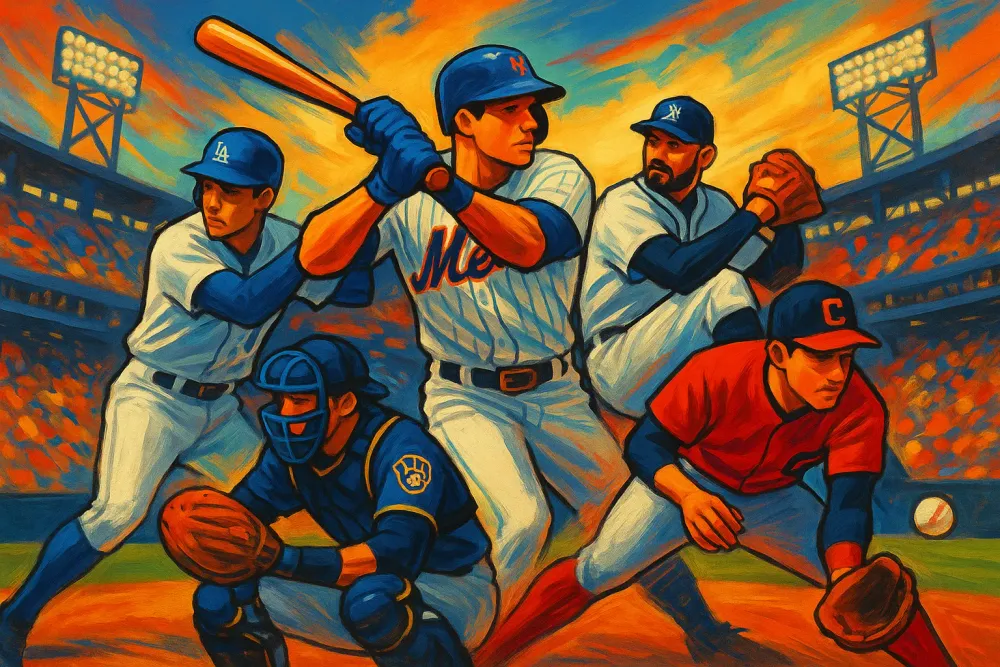
The 2025-26 MLB offseason has showcased not just the big spenders like the New York Mets and the dominating strategies of the Los Angeles Dodgers, but has also revealed a troubling trend among many teams that have historically been contenders. As the offseason unfolds, it is clear that financial decisions and risk aversion play significant roles in shaping the success (or failure) of various teams across the league.
Lessons from the Biggest Losers
While the Mets and Dodgers have established their status as powerhouse teams, the offseason has also highlighted an unusual number of teams that have missed significant opportunities to strengthen their rosters. The market appears colder than ever, with a sense of hesitation prevailing as many players, including promising stars, have settled for unexpectedly short contracts.
The Risk-Averse Market
This offseason, only Dylan Cease managed to secure a contract longer than five years, signaling a trend away from long-term commitments. Despite various players like Kyle Tucker and Bo Bichette receiving shorter contracts, the true face of disappointment belongs to Luis Arraez, Eugenio Suárez, and Munetaka Murakami. Initially projected to earn a staggering 13 years and $267 million in total, these players ended up with just four-year deals totaling $61 million. Arraez, a three-time batting champion, along with Suárez and the young talent Murakami, who both possess significant home run potential, have thus found themselves undervalued in a market climate where teams prioritized perceived player risk over their impressive ceilings.
Floors and Ceilings
The key factor here is player floors, which appear to loom larger than their ceilings in the eyes of teams. Arraez and Murakami have exceptional talent, but their respective weaknesses—be it defensive challenges or strikeout rates—have dimmed their market value. The increasing caution among MLB teams highlights a shift in strategy where teams prefer reliability over risk, signifying a worrying trend in how player evaluations are conducted.
The Impact of Qualifying Offers
A lesson continues to surface this offseason regarding the impact of qualifying offers. Zac Gallen and Framber Valdez, while not yet termed losers of the offseason, may soon join that conversation. They represent the final pair of free agents who received a qualifying offer, tying them to draft-pick compensation that has likely stunted their market opportunities. Many players continue to be wary of rejecting qualifying offers, fearing the long-term implications on their careers.
Reputation Matters
The cases of Gallen, who rejected a qualifying offer after a subpar ERA, and Valdez, whose reputation suffered due to unsportsmanlike conduct, show that player behavior and performance impact contract negotiations profoundly. MLB clubs are showing that even in a data-driven environment, character and reputation are still crucial components of a successful career.
Big-Market Teams Lack Imagination
Big-market teams like the New York Yankees and Philadelphia Phillies faced significant criticism for their lack of decisive action during this offseason. Despite recurring struggles in previous seasons, both teams opted to maintain the status quo with minimal roster adjustments, signaling a fear of truly addressing their needs. The high payrolls of these teams seem futile when they fail to engage meaningfully in reshaping their lineups.
The Yankees' Static Approach
Yankees' general manager Brian Cashman is under fire for a lack of fresh ideas, particularly given the absence of new key players to bolster the roster. The sole addition of pitcher Ryan Weathers hardly demonstrates a commitment to improvement. Cashman faces scrutiny as fans and analysts wonder when the team will seize the opportunity to innovate instead of just maintaining the same strategy.
The Dangers of Half-Hearted Contenders
The trend of hesitant decision-making is not limited to big-market teams; smaller franchises like the Detroit Tigers, Milwaukee Brewers, and Cleveland Guardians have displayed similar caution which could haunt them in the long run. The Tigers' decision to trade future star Tarik Skubal while simultaneously engaging in a contentious arbitration process reflects a lack of vision and commitment to building on their previous postseason success.
Impact on the League
The shift in approach from teams that tasted playoff success has far-reaching consequences. Half-hearted contenders are dragging down the competition and potentially stunting growth across the league. The willingness of teams to limit their financial commitments reflects a more significant fear of losing than a drive for victory, raising questions about the overall direction of competitive balance in Major League Baseball.
Conclusion
The losses experienced by various teams during the 2025 offseason illuminate critical lessons for MLB and its franchises moving forward. The mix of financial caution, risk aversion, and stagnant decision-making could reshape the landscape of baseball as teams grapple with a balance between player evaluation and market realities. In an era defined by analytics and data, the emphasis on character, strategic innovation, and commitment to building a winning roster remains vital for any organization hoping to succeed.