Coaching Dual Lives: Tomlin vs. Payton
In the world of professional sports, coaches often find their identities intertwined with their teams. However, the approach taken by different coaches to unwind and cope with the pressures of the NFL can vary significantly. Last week, Pittsburgh Steelers head coach Mike Tomlin showcased an unexpected passion for gaming, demonstrating that one can embrace leisure activities while managing a high-pressure job. In contrast, Denver Broncos head coach Sean Payton is far less interested in the gaming realm, bringing a different narrative to the coaching discussion.
Tomlin's Minecraft Adventures
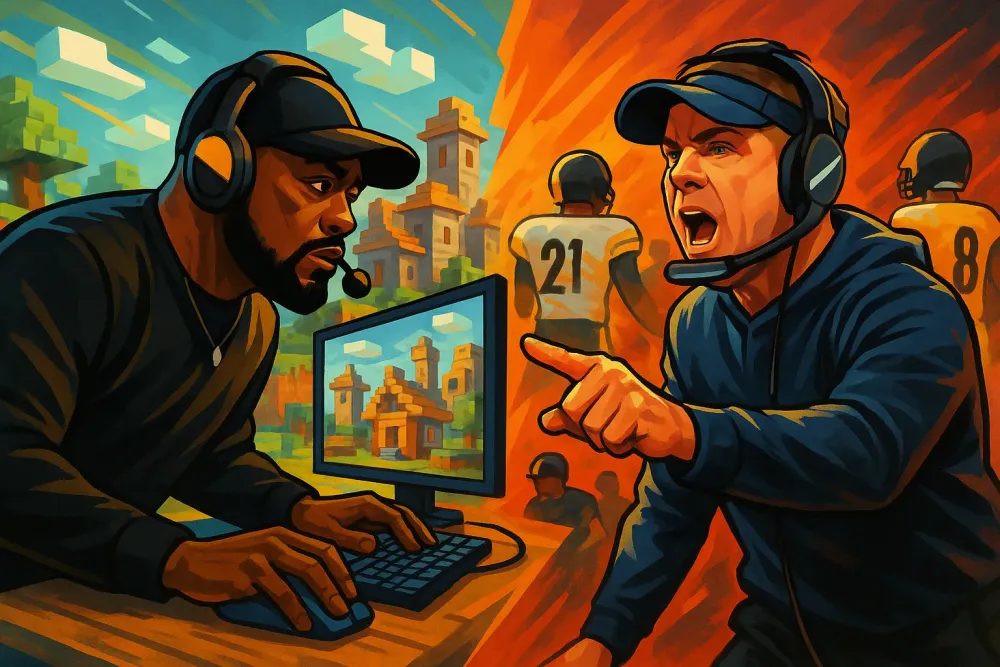
Mike Tomlin, renowned for his leadership style and on-field strategies, revealed last week that he has been dedicating some of his downtime to building a sprawling city in Minecraft. This decision baffled many but highlighted a fascinating side to coaching that few get to see. Rather than simply zoning out or turning to typical stress-relief activities, Tomlin's engagement with the iconic block-building game offers a unique outlet for creativity and relaxation.
In a high-stakes environment like the NFL, where the pressures of winning games can be overwhelming, having a hobby that disconnects a coach from the daily grind is essential. Tomlin’s Minecraft city-building reflects his innovative spirit, illustrating that he can channel his strategic thinking into a virtual environment just as effectively as he does with his players on the field.
Payton's No-Gaming Stance
On the flip side, we have Sean Payton, the revered coach of the Denver Broncos, who recently made headlines by sharing his complete disinterest in video games. During an appearance on ESPN's Manningcast, Payton candidly admitted, “I haven’t played a video game since Pong.” This revelation was met with surprise from both fans and commentators alike, especially in a time when video games are increasingly woven into the fabric of youth culture and even professional sports.
The contrast between Tomlin and Payton raises intriguing questions about how personal hobbies can influence coaching styles. While Tomlin immerses himself in a digital world, Payton focuses solely on football, suggesting a dedication to tradition and the classic coaching ethos that doesn’t incorporate gaming culture. His lack of engagement in video games signifies that for him, the only game that matters is the one played on the field.
Implications for Team Culture
The stark difference in approaches taken by these two coaches may subtly inform their team cultures. Tomlin’s willingness to embrace leisure activities like gaming could foster a more relaxed and creative environment for his players. It showcases that he values downtime, encouraging his team to find healthy distractions outside of football, which can be crucial for maintaining mental health throughout a grueling season.
Conversely, Payton’s reliance on traditional coaching methods might lead to a more rigid atmosphere. His statement can reflect how some coaches prefer to maintain a clear boundary between their professional and personal lives, emphasizing dedication and hard work over leisure. While both approaches have their merits, it ultimately comes down to how well they resonate with the players and contribute to the teams’ respective successes.
The Evolution of Coaching
As the landscape of professional sports evolves, so do coaching techniques and philosophies. The emergence of technology and gaming has undeniably intertwined with how teams interact with one another, engage with fans, and even approach training. Coaches like Tomlin are evidence that integrating elements of pop culture into one’s life can prove beneficial in a demanding career, potentially enhancing interpersonal connections with players.
On the other hand, traditionalist approaches exemplified by Payton show that varying backgrounds and lifestyles can coexist in the high-pressure environment of the NFL. Personal preferences, whether they lean towards gaming or a more conservative approach, ultimately reflect each individual's values and how they believe they can best lead their teams.
Conclusion: Finding Balance in Coaching
In conclusion, the divergent paths taken by Mike Tomlin and Sean Payton highlight the varied ways coaches can balance their professional responsibilities with personal interests. While Tomlin finds solace in crafting a digital city within the realms of Minecraft, Payton stands firmly outside that world, focusing solely on football strategy. As the NFL season unfolds, the impact of their respective approaches in shaping team dynamics and culture will certainly be a point of discussion among fans and analysts alike.