Lakers Ticket Prices Surge as New Ownership Takes Charge
Introduction: Rising Ticket Prices in the City of Angels
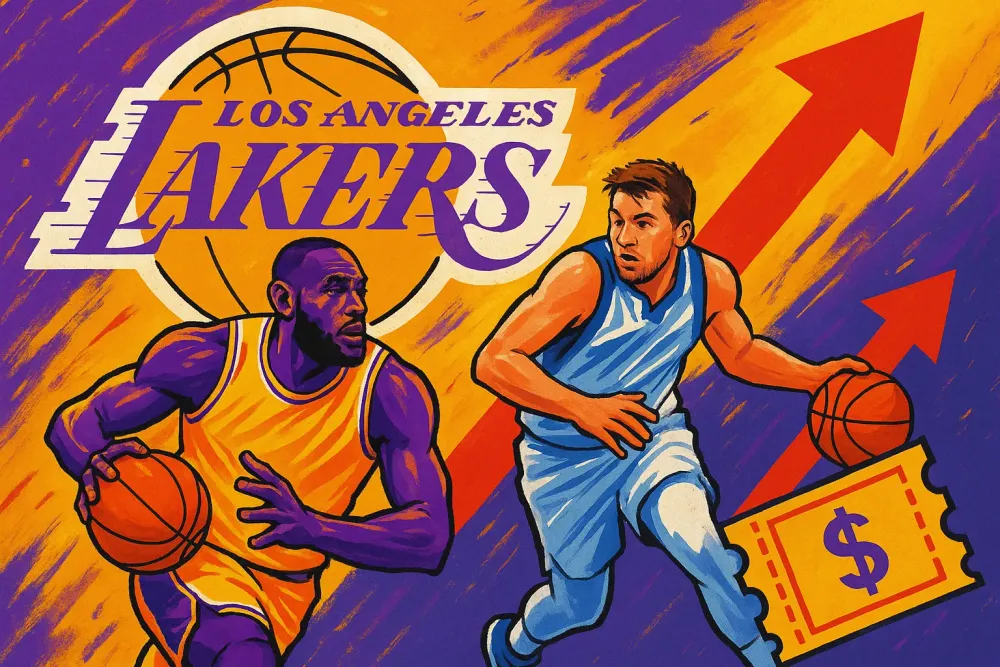
The Los Angeles Lakers are making headlines not just for their on-court performances but also for the significant changes happening off the court. Following the recent sale of the franchise to billionaire Mark Walter, the Lakers have announced an increase in season ticket prices for the upcoming 2026-27 NBA season. This decision, confirmed via an exclusive report by ESPN's Dave McMenamin, is set against a backdrop of heightened interest in the team, fueled by superstar players and a solid performance record.
The Rationale Behind Price Adjustments
In a statement to the media, the Lakers acknowledged that ticket prices would see adjustments to align with the current market landscape and demand. The announcement was delivered to season ticket holders through an email from Tim Harris, the team's president of business operations, highlighting that the increase reflects the high value of the Lakers as a franchise.
Harris specifically mentioned notable players like Luka Dončić, LeBron James, Austin Reaves, and JJ Redick as instrumental in elevating the Lakers to a premier position in the sports world. The presence and performance of such star athletes not only contribute to the excitement of the games but also drive sales and demand across the board.
Details of the Price Hikes
Fans holding 300-level season tickets have felt the pinch significantly, with reports of one season ticket holder witnessing a staggering average increase from $6,192 to $9,035, marking a 45.9 percent jump. This follows an increase from $5,494 to $6,192 just last offseason, indicating a pattern of rising costs that has become concerning for many Lakers fans.
Other supporters have reported similar trends, with Sirius XM NBA's Rob Perez mentioning a 14 percent year-over-year increase in his ticket prices. Additionally, a new three percent fee for those opting for payment plans further compounds the financial burden on fans. While rising prices might be a standard in many professional sports franchises, the Lakers' substantial jump stands out due to its potential impact on season ticket renewals and fan loyalty.
The Future of Key Players in Los Angeles
While the price increases are significant, they also come at a time of uncertainty regarding the futures of superstar players. LeBron James is currently playing on an expiring contract, and Austin Reaves has a player option for next season. As both players are critical assets to the team, their return or absence could certainly influence team dynamics and fan engagement. Their decisions may also impact ticket demand and pricing as the Lakers approach the next season.
Farewell to Tim Harris
Adding to the backdrop of ticket price changes, the Lakers have announced that Tim Harris will step down from his position at the conclusion of the current season. With a new leadership era on the horizon, the Lakers are set to welcome Lon Rosen, a seasoned executive from the Los Angeles Dodgers. Having successfully guided the Dodgers in maintaining strong attendance levels, Rosen is expected to bring fresh perspectives and strategies to the Lakers organization.
Current Trends in Fan Attendance
Despite the soaring ticket costs, the Lakers remain one of the most successful franchises in the league. This season, they have maintained an average crowd of 18,877 fans per game, ranking them 10th in the NBA according to Basketball Reference. This figure comes just shy of the Staples Center's official capacity of 18,910, illustrating the unwavering support the Lakers enjoy from their fan base.
Conclusion: A Balancing Act for the Lakers
As the Lakers navigate this transition in ownership and pricing structure, the main challenge lies in balancing profitability with fan loyalty. While increased ticket prices can reflect a franchise's strength and market demand, maintaining the core fan base is equally essential. With the potential return of stars like LeBron James and Austin Reaves, the Lakers remain a team to watch in the coming seasons, both on and off the court. The adjustments in pricing, alongside structural changes within the organization, will be critical in shaping their future trajectory and maintaining the Lakers’ storied legacy in the world of sports.