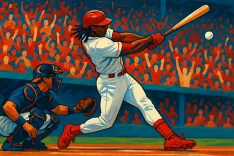
Konnor Griffin Signs $140M Deal, Joining MLB's Big Prospect Wave

This past Wednesday, Konnor Griffin of the Pittsburgh Pirates made headlines by signing a stunning nine-year, $140 million contract extension. This deal comes remarkably swift on the heels of his Major League Baseball debut, demonstrating the evolving dynamics that surround top-tier prospects as they step into the big leagues. Griffin is the latest addition to a notable list of players who have signed lucrative contracts shortly after their first appearances, showing a willingness from teams to invest heavily in young talent before they have fully proven themselves.
Just a week prior to Griffin's signing, Milwaukee’s Cooper Pratt secured an eight-year, $50.75 million deal, and Seattle's Colt Emerson followed closely with an eight-year, $95 million extension, both before having played a single game in MLB. With Griffin, Pratt, and Emerson now collectively dubbed the ninth, tenth, and eleventh players to land contracts worth at least $50 million for eight years with less than one year of MLB service time, the question that looms over these substantial investments remains: are they worthwhile?
The Risk and Reward of Long-Term Contracts
In the world of professional baseball, the concept of signing players to long-term contracts at a very early stage in their careers is not new, but it has gained momentum in recent years. Before 2021, there were only 13 instances where players managed to snag contract extensions spanning five or more seasons less than a year into their careers. Some of these players, like Ronald Acuña Jr. and Salvador Perez, have turned their extensions into outright bargains for their respective teams. However, others have not lived up to expectations, leading to a volatile return on investment (ROI) for franchises.
The financial landscape of extensions has seen a drastic inflation in recent years. Between 2008 and 2020, the average duration for these contracts was around 5.9 years at a cost of approximately $30 million. Now, recent deals average around 8.5 years at a staggering $98 million. Teams are committing larger sums to players with fewer guarantees, leaving organizations at the mercy of unforeseen player performance and health issues.
A Closer Look at Recent Contracts
To analyze whether these extensions have been prudent investments, it's insightful to look at how recent contracts have fared so far:
- Michael Harris II (Atlanta Braves) - Signed an eight-year, $72 million contract in August 2022. After a stellar rookie season, Harris has faced challenges, including a declining OPS. Nevertheless, his contract still appears team-friendly, costing about $9 million annually.
- Julio Rodríguez (Seattle Mariners) - Rodríguez’s 12-year, $209.3 million contract, signed in August 2022, has proven explosive, as he attained 16.5 wins above replacement (bWAR) over three seasons.
- Corbin Carroll (Arizona Diamondbacks) - Carroll’s eight-year, $111 million deal has been justified by his Rookie of the Year status and impressive stats as he established himself as an integral player for the Diamondbacks.
- Jackson Chourio (Milwaukee Brewers) - Although he signed an eight-year, $82 million deal before his debut, Chourio has already contributed significantly to the Brewers with impressive power and speed.
- Ceddanne Rafaela (Boston Red Sox) - Following an eight-year, $50 million extension, Rafaela has shown flashes of potential, including a Gold Glove award, which adds value to his contract despite not being a star yet.
- Kristian Campbell (Boston Red Sox) - Having signed an eight-year, $60 million deal, Campbell's initial performance was underwhelming. However, it’s still early in his career, leaving room for growth.
Historical Context of MLB Extensions
Exploring historical context provides further insight into early extensions and their outcomes. Players like Eloy Jiménez and Luis Robert Jr. were risky investments for their respective teams, with uneven careers marred by injuries. Jiménez had a promising start but faced hurdles that dimmed his initial value. Robert similarly experienced health issues, making evaluations of both players’ contracts complex.
However, certain historical contracts like those of Paul DeJong and Chris Archer reflect a mix of value and disappointment. While DeJong initially shined, his performance rapidly declined. Conversely, Archer's extension yielded solid value, although he faced challenges later in his career.
The Future of Prospects and Contract Extensions
As more teams invest heavily in young prospects, the market is shaping new norms wherein organizations are willing to absorb risk for securing potential star players. Deals like those signed by Griffin, Pratt, and Emerson are likely to continue, creating a future where teams race to lock in young talent quickly in hopes of capitalizing on their breakout performances.
The outcomes of these contracts ultimately hinge on player performance and durability. If recent history is any indication, using caution is wise. The influx of extravagant contracts linked to emerging talents may pay off for some organizations, whilst others might be left regretting their decisions. The evolving landscape of player contracts reflects not only a strategic gamble but the high stakes of competitiveness within Major League Baseball.