NBA Veteran Kevin Love Critiques Risky Apron Rules
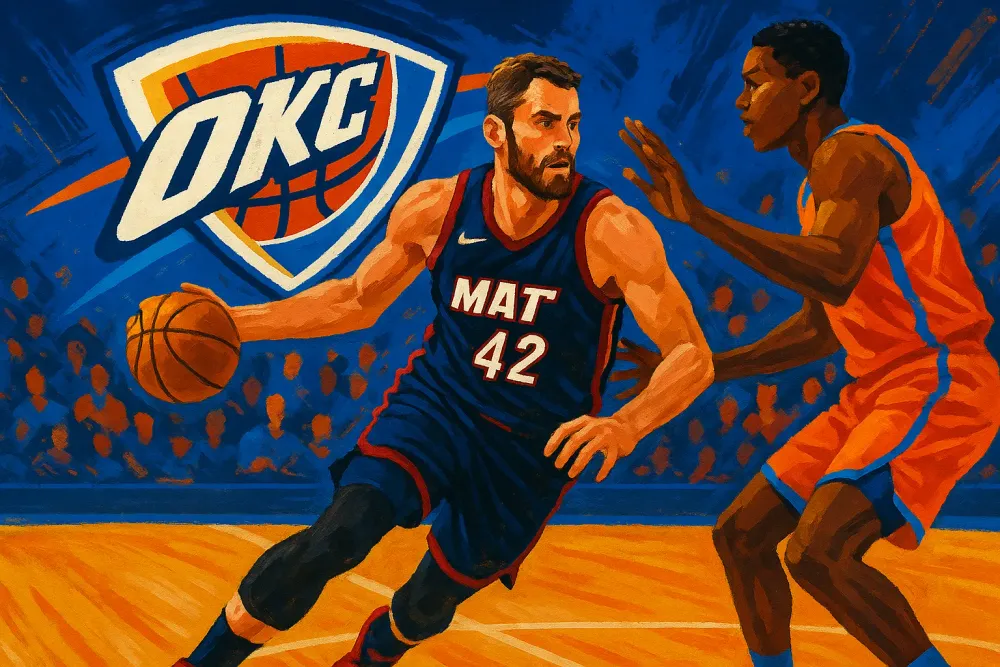
As the NBA season unfolds, seasoned forward Kevin Love, now in his 18th year in the league, has shared his candid views about the league's controversial apron rules. During a thought-provoking interview on The Old Man and The Three, Love voiced his frustration over how these rules affect team dynamics, especially highlighting the struggles faced by the Oklahoma City Thunder.
The Apron Conundrum
Love's frustrations primarily center around the restrictions that the apron rules impose on teams financially, particularly those like the Thunder who have successfully managed to develop homegrown talent. “I’ll tell you, selfishly, what’s really f--king stupid, these aprons are f--king with the game,” Love asserted, illustrating his perspective on how the current system impacts franchises' capabilities to maintain their competitive cores.
Oklahoma City Thunder's Challenges
In his critique, Love pointed to the Thunder's successful yet challenging situation regarding their star players, Shai Gilgeous-Alexander, Jalen Williams, and Chet Holmgren. All three stars secured substantial contract extensions following the team's remarkable run to the 2025 NBA Championship. Yet, the overarching dilemma is whether Oklahoma City can keep this talented trio together beyond the 2025-26 season because of financial constraints imposed by the apron rules.
“You’re telling me Oklahoma City can’t keep those three guys together because of these aprons? That’s bulls--t,” Love stated bluntly. His concern lies in the fact that a franchise that has successfully drafted and developed its stars may not be able to sustain its success due to these imposed financial restrictions. Love further praised General Manager Sam Presti for his ability to cultivate talent but lamented how these regulatory measures hinder a team's roster continuity.
The Impact on Roster Building
Love’s commentary further delves into the broader implications the apron rules have beyond just the immediate star players. He articulated the repercussions that such constraints have, particularly around veteran players in the league. “Selfishly, I’m slightly over the vet minimum now... but coming back and that keeps going up, it’s going to affect the cap even more,” he explained. Love believes that the gradual rise in the salaries of veterans will further complicate teams' financials, potentially leading to a struggle in filling out rosters with experienced players necessary for championship runs.
The Bigger Picture: Team Chemistry and Strategy
Amidst Love's concerns, it’s clear that the underlying issue ties back to maintaining team chemistry and stability. The ability for a franchise to keep its core intact is crucial in building not just for a single season, but for sustainable success. Love emphasized the importance of having a cohesive unit, especially when the current landscape of the NBA leans heavily into star power and competitive parity.
Moreover, Love shed light on how teams have invested time and resources into scouting and player development, stressing that franchises deserve the opportunity to capitalize on their successes. “They have something special there, and the fact that that team can’t stay together because of these rules being implemented... These are homegrown guys, they’ve done the work,” he noted, pointing out the irony that restrictive financial rules could undermine the very strategies that lead teams to excel.
Conclusion: A Call for Change?
Kevin Love's candid assessment of the NBA apron rules opens up a significant conversation about the direction and future of the league. As teams like the Thunder balance the checkbook while aiming for longevity and success, Love's frustrations resonate with many players and fans who watch their favorite teams grapple with the implications of financial regulations.
With Love's perspective shedding light on the potential downsides of the current system, it raises essential questions: Are the apron rules stifling the league’s competitive balance? Will they ultimately hurt the overall quality of the game as franchises struggle to keep their successful cores intact? As the season progresses, the implications of these rules may become even more pronounced, warranting further discussion among players, executives, and fans alike.