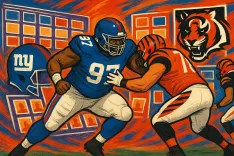

Hall of Fame head coach Jimmy Johnson has offered a stern warning to the New York Jets about making the most of their ample draft capital over the coming seasons. Speaking with ESPN's Rich Cimini, Johnson emphasized the importance of selecting the right players rather than simply accumulating picks. "The key is not getting the picks," Johnson stated. "The key is picking the right players."
Currently, the Jets find themselves in a strategically advantageous position in the NFL draft landscape. In addition to their own selections, they have acquired valuable picks from the Dallas Cowboys, including a second-rounder in 2026 and a first-rounder in 2027. Furthermore, they hold the Indianapolis Colts' first-round picks for the next two years. This wealth of options places New York's general manager Darren Mougey and head coach Aaron Glenn in a position where they could be tempted to gamble on high-ceiling prospects.
Draft Capital: A Double-Edged Sword
Johnson's cautionary advice may stem from the historical context of how teams have maneuvered with their draft capital. Frequently, teams become enamored with the prospect of building through the draft, but it's essential to recognize that not all picks yield fruit. The Jets' recent activities in the mock draft circuit, including the selection of Ohio State linebacker/edge-rusher Arvell Reese and Arizona State wide receiver Jordyn Tyson in Bleacher Report’s latest projections, highlight this volatility. While these selections may be promising, they underscore Johnson’s point that the actual value lies in the players selected rather than the picks themselves.
The Impact of Historical Context
Johnson's insights are especially poignant given his illustrious history with the NFL. His orchestration of the Herschel Walker trade in 1989 remains one of the most legendary moves in the league's history. The deal not only allowed the Cowboys to stockpile draft picks but also ultimately brought them franchise legends such as Emmitt Smith, along with other defensive stalwarts like Russell Maryland and Darren Woodson. This trade is a prime example of how teams must leverage their draft assets wisely, turning what could be mere picks into cornerstone players who define franchises.
A Lesson in Patience
In the current NFL climate, it's not uncommon to hear voices suggesting that draft picks in themselves do not hold significant value. Instead, it is up to front offices to utilize these selections for maximum impact. With a history marked by dysfunction and lack of direction, the Jets' fanbase is understandably wary. Skepticism arises as New York attempts to transition from a team in turmoil to a competitive force, raising questions about whether Mougey and Glenn will make the correct calls with their draft capital.
As teams evolve and strategies adapt, one thing remains clear: The Jets currently hold a strong hand in terms of draft assets. However, Johnson's reminder resonates deeply; a single misstep in player selection can tarnish the promise that an abundance of picks provides. The NFL has changed significantly since Johnson last roamed the sidelines in 1999, yet his foundational philosophy regarding the importance of making prudent decisions during the draft endures.
Looking Forward
As the Jets approach the forthcoming drafts, all eyes will be on how they utilize their assets. The possibility of trading or leveraging their picks for immediate impact players could be tempting, but they must also weigh the long-term implications of such decisions. Johnson’s remarks serve as a guiding principle for their approach, urging caution and diligence in the player selection process.
Ultimately, the NFL is a league built on hope and potential, with drafts offering teams a chance to reshape their destinies. As the Jets navigate through their unique array of draft picks, the key will be their ability to foster an environment where careful evaluation and strategic foresight prevail over reckless ambition. The journey ahead promises excitement, and if the Jets heed Johnson's advice, they could indeed transform their fortunes.