
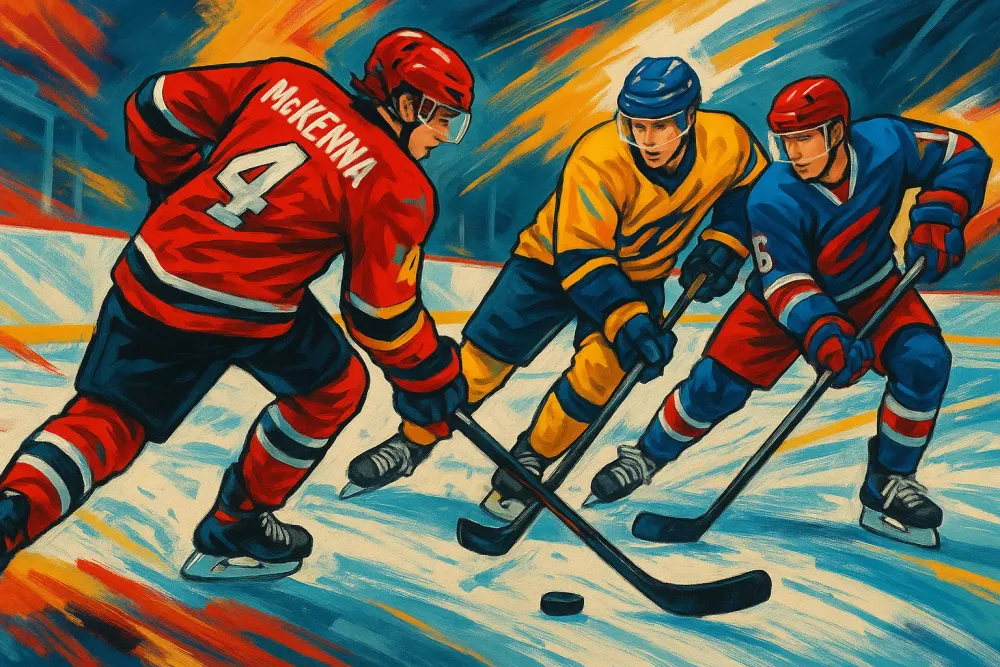
The excitement surrounding the upcoming NHL Draft is palpable, as teams prepare to make game-changing decisions on new prospects. The latest draft board has seen some significant shifts since the initial rankings were released. In particular, notable players like Keaton Verhoeff and Ryan Roobroeck have experienced falls from grace, while prospects such as Gavin McKenna, Ivar Stenberg, and Chase Reid have solidified their standings through impressive performances.
Understanding the Rankings Process
The construction of a draft board involves a complex evaluation of players. Analysts consider everything from previous performances, game tape, and potential upside, to the specific needs of teams drafting. As evaluations are revisited and players refine their skills, adjustments are made to reflect new insights. The latest updates highlight not only movement within rankings but also the inherent risks and rewards that come with drafting young talent.
Key Movements in Rankings
Keaton Verhoeff’s drop from top contention is particularly telling. After beginning the year as a potential top-10 pick, he now finds himself outside that group amid concerns regarding his skating and decision-making abilities. His 20 points in 36 games with the University of North Dakota show flashes of potential but also underline the challenges he faces transitioning to a higher level of play.
Similarly, Ryan Roobroeck has fallen out of the first-round projections. This decline is not solely based on performance but also on teams sharpening their focus on immediate impact players versus raw potential. Each shift in rankings serves as a reminder that scouting is an evolving process with varying facets influencing decision-making.
Rising Stars
Among the prospects on the rise, Gavin McKenna stands out. The forward's impressive 51 points in 35 games at Penn State University, along with his 14 points during the World Junior Championships, solidifies his status as a key player. His ability as a dynamic playmaker, coupled with exceptional skating and puckhandling, establishes him as a frontrunner in the draft discussion.
Another name to keep an eye on is Ivar Stenberg, who has consistently demonstrated the capacity to compete effectively against older players in the Swedish Hockey League (SHL). With 33 points in 43 games, including a strong performance at the World Junior Championships, Stenberg exemplifies the type of player who can adapt and thrive across different levels of play.
The Allure of Defensemen
This year’s draft class boasts several intriguing defensemen, most notably Chase Reid. Despite battling injuries, Reid managed to post 48 points in 45 games. His skating ability, paired with high hockey IQ, makes him a standout in a class that often emphasizes offensive prowess. He has shown that he can control the game’s tempo from the blue line, making him a hot commodity for teams looking to shore up their defensive depth.
Caleb Malhotra also emerged decisively in his first OHL season, racking up 84 points in 67 games. His blend of two-way play and reliable defensive acumen demonstrates his readiness for NHL action. Moreover, his maturity on the ice has made him one of the most talked-about center prospects in this draft class.
Player Profiles
The report also highlights players like Wyatt Cullen and Viggo Bjorck, who bring distinct skill sets to the table. Cullen is recognized for his high-end vision and creativity, which could bolster any team looking to enhance their offensive game. Bjorck, known for his relentless work ethic and engagement, continues to garner attention for his two-way responsibilities, even as a smaller player at 5'9”.
When discussing potential, the assessments suggest that teams must balance the hope for future development with present readiness. An example of this mantra emerges in players like Daxon Rudolph and Malte Gustafsson, whose skills on the ice showcase momentous upside with tangible areas for development.
Developing Consistency
A common theme through various prospects is the need for consistency. Players such as Oscar Hemming and Egor Shilov have potential ceilings that excite scouts; however, they must refine their gameplay to achieve those heights. Hemming’s capacity for high-end processing and Shilov’s stickhandling abilities point toward exciting futures, assuming they can translate those skills effectively at higher levels.
Looking Ahead
As the NHL Draft approaches, the assessments and rankings continue fluctuating, highlighting the dynamic nature of evaluating prospects. Teams must be equipped to make informed decisions based on talent, developmental potential, and their organizational needs. With rising stars and falling prospects, this year’s draft could yield surprising outcomes based on players' trajectories as they transition to the next stage of their hockey careers.
Keep an eye on these potential draftees as they shape the future landscape of the NHL!