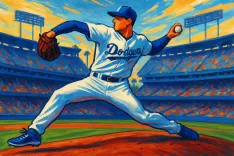
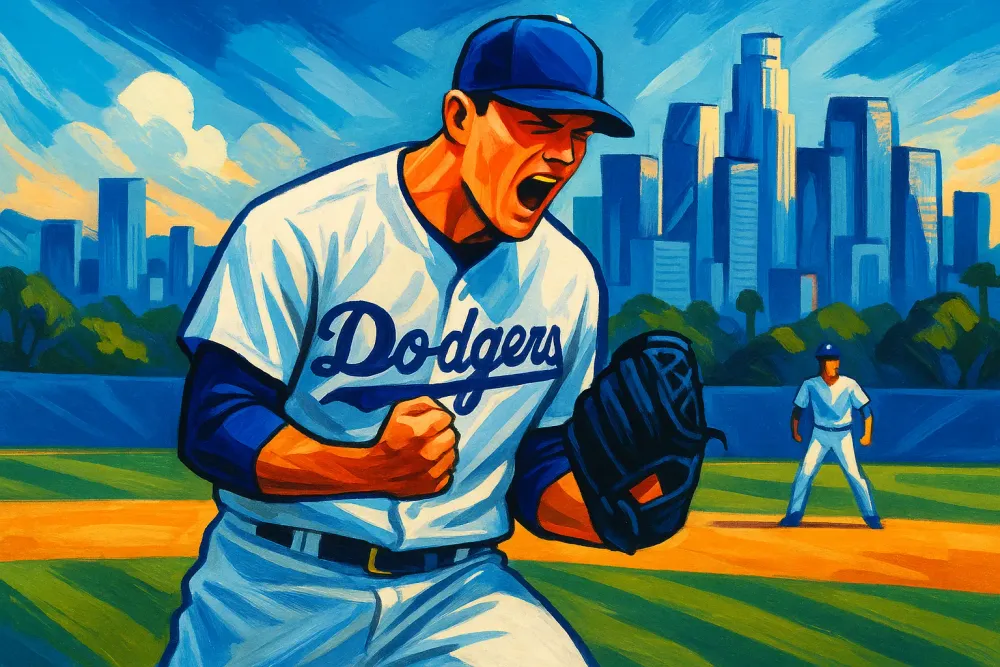
The Los Angeles Dodgers are once again making headlines in Major League Baseball after their recent acquisition of ace pitcher Tarik Skubal from the Detroit Tigers. This move, which came just before Monday's trade deadline, has the potential to reshape the competitive landscape of the league moving forward. However, the excitement of this trade is accompanying serious discussions about the future of the sport, as reports indicate that a significant lockout may be on the horizon.
According to Ken Rosenthal from The Athletic, Major League Baseball could be teetering on the edge of a lockout post-2026 season. In a somewhat alarming tone, Rosenthal remarked, "The hysteria is coming. The lockout is coming," suggesting that the ensuing discussions and negotiations will overshadow key developments in the game itself. Perhaps more unsettling is the echoing sentiment from across the league, where some insiders, including ESPN's Jeff Passan, speculate that the impending labor dispute could result in the cancellation of the entire 2027 season.
The Context of the Trade
The Dodgers, known for their aggressive pursuit of talent and financial prowess, have once again positioned themselves as strong contenders for the World Series, potentially eyeing their third consecutive championship. The acquisition of Tarik Skubal adds depth to an already formidable pitching roster, emphasizing the disparity in competitive balance within the league. With a payroll that defies conventional limits, the Dodgers' moves highlight the challenges small-market teams face in keeping pace.
Skubal, a talented left-handed pitcher, has shown significant promise during his tenure with the Tigers. His ability to strike out batters and control the game on the mound has made him a valuable asset for Los Angeles, propelling the franchise to the forefront of World Series discussions. However, the underlying issues associated with such transactions raise critical questions about the future structure and fairness of Major League Baseball.
The Salary Cap Debate
At the core of the looming negotiations is the contentious debate surrounding the implementation of a salary cap system. This move, which many view as essential for achieving competitive balance, could drastically alter the dynamics of free agency and team-building strategies. Currently, the Dodgers enjoy the flexibility to acquire marquee players like Skubal, while smaller teams often struggle to maintain or attract talent due to budget constraints.
MLB Commissioner Rob Manfred has acknowledged the concerns expressed by fans regarding competitive imbalances across various markets. Addressing these sentiments during the previous All-Star Game, he stated, "What our fans in a number of our markets are telling us, better than half of them, is there's a lack of competitive balance in the game." He emphasized the necessity for the league to implement changes that empower fans in smaller markets by allowing them to believe in their team's ability to compete effectively.
Implications for the Future of MLB
The prospect of a lockout looms large, and the implications for players, teams, and fans could be significant. Labor disputes have historically wreaked havoc on the sports calendar, and while the last MLB lockout in 2021 did not lead to game cancellations, pushing Opening Day back to April 7, current discussions suggest that this upcoming lockout could take a far more severe toll.
As negotiations commence later this year, the stakes are high. The players’ association must advocate for an equitable system that allows smaller market teams to compete fairly without significantly hampering larger market teams like the Dodgers. Achieving a more robust free-agent market would also enable players a broader range of opportunities without being pigeonholed into major market teams.
Your Team's Chances Amidst Uncertainty
For fans, the uncertainty surrounding the Dodgers' trade for Skubal and the impending labor discussions paints a picture that suggests both hope and concern. For Los Angeles fans, the acquisition signifies a commitment to continued excellence and pursuit of championships. For fans of smaller market teams, it raises alarm regarding their organization’s ability to compete or retain homegrown talent.
The potential challenges brought forth by these ongoing debates remind us all of the importance of competitive fairness within Major League Baseball. As teams prepare for what could be a tumultuous negotiation period, the greater narrative will focus not only on trades and acquisitions but also on the foundational structures of the league that will dictate the future of America’s pastime.
In closing, as the clock ticks down to the end of the current season, the Dodgers' strategic plays illustrate a divide in the landscape of Major League Baseball, one that both defenders of the sport and its leadership must take heed of as they navigate the complexities of contracts, competition, and the essence of the game itself.