The Washington Commanders faced a bitter disappointment in their recent overtime clash against the New York Giants. The game, which had been a tightly contested matchup, reached a critical juncture as time dwindled down. However, in a turn of events that left players and fans baffled, the Commanders allowed the clock to run out, thus squandering their chance at a game-winning field goal. This frustrating miscue has cast a shadow over the team's performance and left them searching for answers.
The Build-Up and Game Dynamics
As the Commanders and Giants met on the field, both teams were aware of the stakes involved. The atmosphere was tense yet electric, with fans eagerly anticipating a showcase of skill and strategy. Throughout the game, the Commanders displayed flashes of brilliance, mounting a solid offensive campaign and showcasing their potential to compete at a high level.
However, the final moments of overtime proved disastrous. With a chance to execute a last-minute field goal, a lack of communication and execution on the sideline led to the team failing to set up the play in time. This oversight culminated in the feeling of defeat, leaving players feeling dejected and frustrated.
Sam Cosmi's Frustration
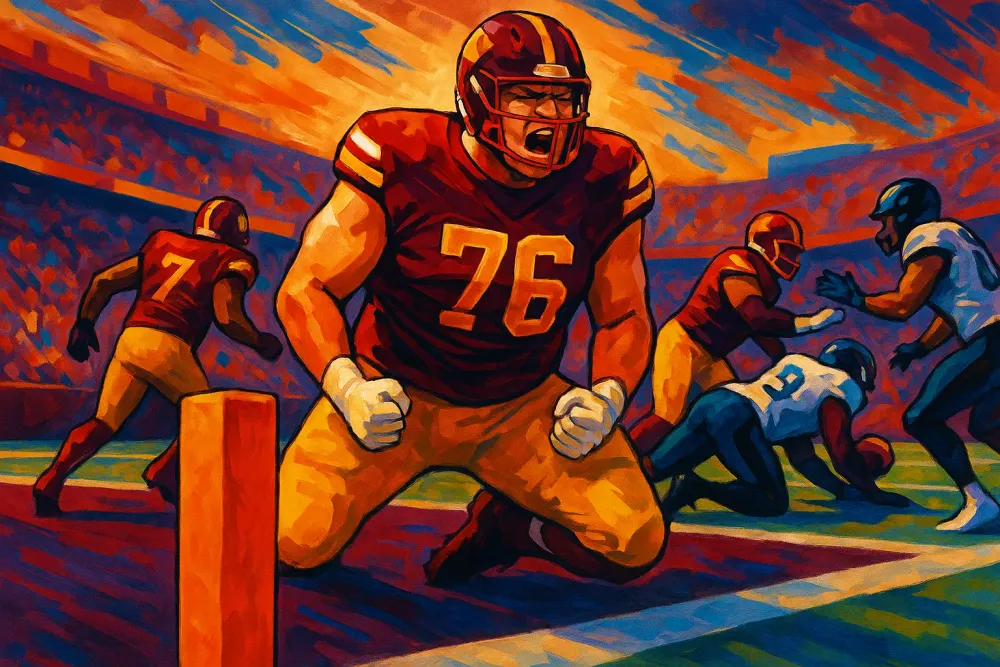
Among the most affected by the botched final play was offensive lineman Sam Cosmi, who was visibly agitated by the team’s inability to execute when it mattered most. In an act of raw emotion, Cosmi took out his frustrations on a nearby goal-line pylon. His actions encapsulated the collective sentiment among the Commanders' players, who were left to grapple with the critical error that cost them a potential victory.
“We had the opportunity, we just didn’t finish,” Cosmi was later quoted as saying, reflecting the disappointment permeating throughout the locker room. His frustration not only highlights the pressure on the players but also the expectation that comes with competing at the NFL level.
Analyzing the Game Strategy
This unfortunate ending raises questions about the Commanders’ strategic decision-making during the critical overtime period. The coaching staff must be scrutinized for their inability to properly manage the clock and maintain composure in high-pressure situations.
A deeper analysis reveals that this was not just a simple miscalculation; it speaks to a larger issue within the organization regarding preparation and communication. In a game where every second counts, failing to get a snap off at the crucial moment can prove catastrophic.
The Implications for the Season
The ramifications of this defeat may impact the Commanders well beyond just a single game. Losing a close match in overtime is not just a tally in the loss column; it can alter the team’s mental state moving forward. As they head into the next stretch of games, it is imperative for the Commanders to rebound quickly and refocus their energy.
The stakes are high as each game in the NFL carries significant weight. For the Commanders, they must address the underlying issues that contributed to this mishap, particularly with an eye toward future games where similar situations may arise.
Looking Ahead
Moving forward, it is essential for the Commanders to turn this bitter experience into a learning opportunity. Team meetings and strategy sessions will be vital in ensuring that all players are on the same page and prepared to execute in essential moments. The coaching staff must reinforce the importance of situational awareness and game management skills.
With a supportive fanbase that expects results, the Commanders will need to channel this frustration into a renewed determination. As they prepare for their upcoming opponents, they must not only focus on physical preparation but also mental resilience to ensure they capitalize on every opportunity moving forward.
Conclusion
The Washington Commanders’ disappointing overtime blunder against the New York Giants has left players, fans, and analysts alike reeling from the missed opportunity. As they begin to assess what went wrong, it is clear that lessons must be learned and improvements made to avoid similar situations in the future. The team’s continued growth depends on their ability to adapt and bounce back from adversity.