
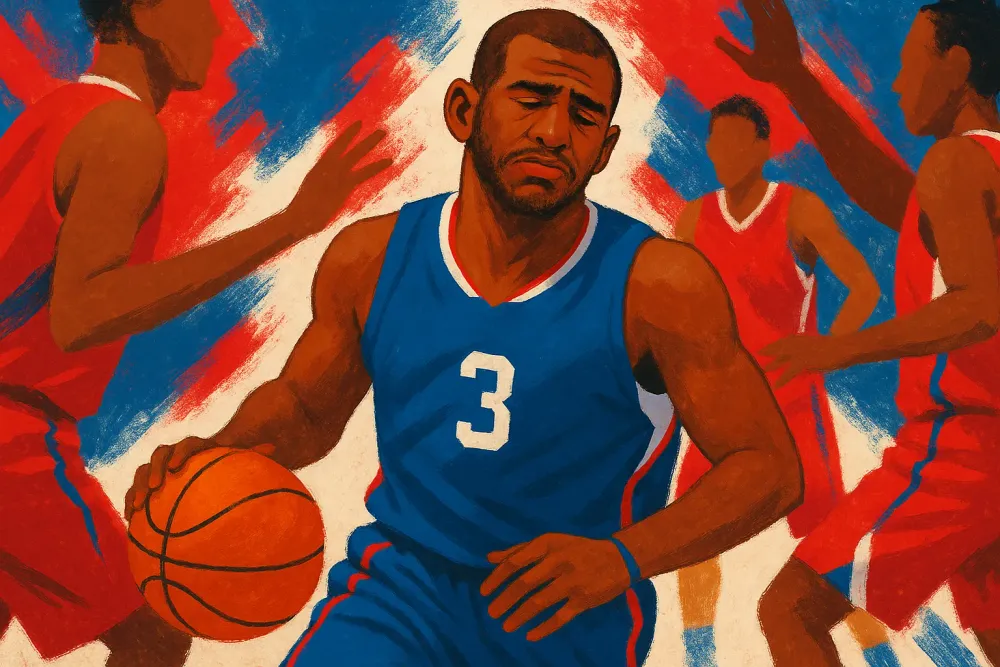
Chris Paul, who has carved his name in the annals of Los Angeles Clippers history, experienced a tumultuous end to his NBA career during the 2025-26 season. Known for his leadership and skill on the court, Paul’s situation became a poignant reminder of how professional sports can sometimes overlook the contributions of their stars. By the time December rolled around, the Clippers had made the shocking decision to send Paul home, marking an abrupt end to his tenure with the team.
Unceremonious Departure
Chris Paul's exit from the Clippers wasn't just another transaction; it was a controversial decision that set the basketball community buzzing. After returning to the franchise where he enjoyed his most significant successes, Paul was hopeful for a celebratory retirement tour that highlighted his illustrious career. Instead, what transpired was a series of unfortunate events that led to his early dismissal from the team.
Reflecting on the circumstances surrounding his departure, Paul described the experience as “one of the most disrespectful things that I’ve endured” throughout his long career. These words reveal the appreciation and loyalty he had for the franchise that once regarded him as a core player. His frustrations were not merely personal; they echoed the broader disappointment felt by fans and teammates who admired Paul's contributions to the game.
Conflict and Controversy
Reports from within the organization indicated that tensions had mounted between Paul and the Clippers' coaching staff and front office. These conflicts mirrored a common theme in professional sports, where management and players often struggle to find common ground. The specifics of these disagreements were not disclosed, but they underscored the precarious nature of relationships in a competitive environment.
For a player of Paul’s caliber, who had dedicated over a decade to perfecting his game and contributing to the team's success, being sidelined so unceremoniously raises questions about how franchises reward loyalty. The end of his Clippers journey showcases not just Paul's individual struggle, but also sheds light on how organizations treat their legends.
The Family Perspective
In his statement, Paul revealed that his family's involvement in the situation added another layer to his distress. Knowing that his wife and children were invested in his career and well-being amplified his upset over the handling of the situation. “Having older kids and a wife who’s very tapped in, and they know the daily goings-on as far as that team and that organization,” he said, illustrating the emotional toll that professional sports can take on family dynamics.
It’s a reminder that players are not just athletes; they are individuals with families who experience the highs and lows of professional sports alongside them. The disconnect between Paul's contributions and the way he was treated highlights a tension that exists in many sports – the difference between on-court loyalty and off-court business decisions.
Legacy and Looking Forward
Despite the unfortunate end to his time with the Clippers, Chris Paul's legacy within the NBA remains intact. His accolades, achievements, and influence on the game have secured him a spot among the greats of basketball. While he may not have received a farewell befitting his legacy, he can anticipate a warm welcome into the Hall of Fame when his time comes.
The situation serves as a poignant reminder of the unpredictable nature of professional sports, where even legends can find themselves on the sidelines. As Paul reflects on his journey, fans and critics alike are left to ponder the implications of a franchise’s treatment of its star players. Sports organizations must balance the dual roles of business decisions and maintaining a legacy, a challenge that continues to resonate across leagues and teams.
A Broader Conversation
Chris Paul's exit from the Clippers opens up broader conversations about respect, loyalty, and how franchises value the contributions of their veteran players. As the NBA evolves, addressing these issues becomes increasingly important for fostering a culture that honors both performance and contribution.
For now, while Paul may feel slighted by the circumstance of his departure, his influence on the court and his role in shaping the Clippers as a franchise cannot be understated. As he looks towards his future beyond the game, the hope is that his next steps will reflect a sense of fulfillment that matches his talent. The basketball community will be watching, and in time, it is likely they will come to honor his legacy as the point guard who never wavered in his pursuit of excellence.