
Cavaliers, Kings, and Bulls Engage in Strategic Three-Team Trade
Introduction
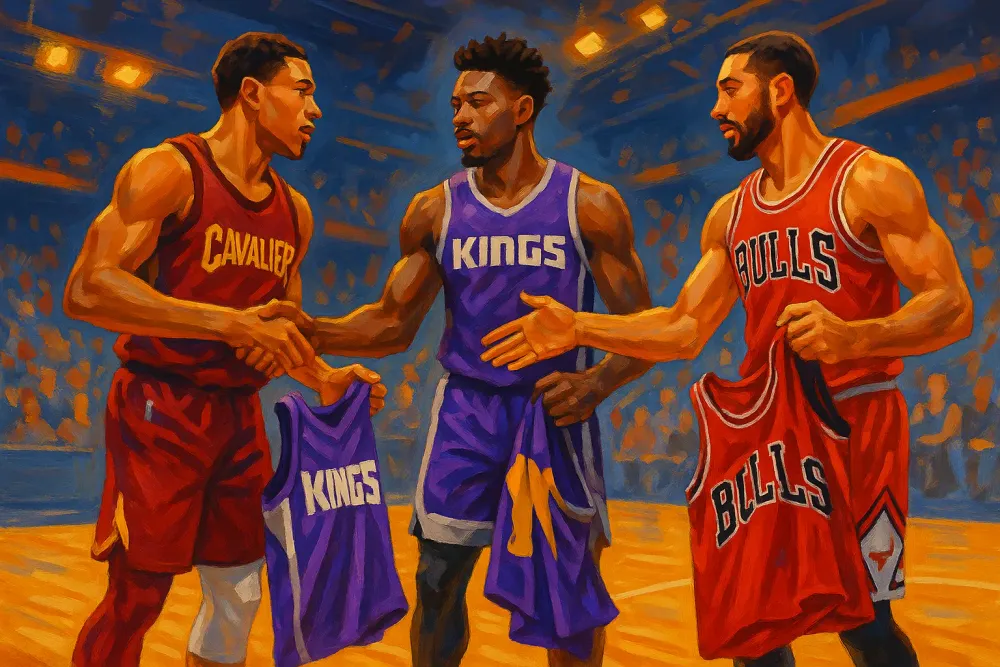
In a dramatic twist to the NBA landscape, a three-team trade involving the Cleveland Cavaliers, Sacramento Kings, and Chicago Bulls emerged late Saturday night, per information from ESPN's Shams Charania. This deal promises to reshape the dynamics of all three franchises, highlighting the differing motivations and strategies that the teams are employing as the season progresses.
The Trade Breakdown
The trade arrangement sees the Cleveland Cavaliers sending De'Andre Hunter to the Sacramento Kings in exchange for Dennis Schröder and Keon Ellis. Additionally, the Chicago Bulls have acquired Dario Šarić from Sacramento, along with two second-round picks. This deal reflects a mixture of immediate gains and long-term strategies on the part of each team, and the implications of the trade could influence their paths through the remainder of the season.
Cleveland Cavaliers: A Step Forward
The Cavaliers have come out as clear winners following this trade. Hunter, a 6'7" forward, has struggled this season, notably shooting only 30.8 percent from three-point range. Despite his size, his contribution in terms of rebounding and playmaking has been minimal, and his presence on the floor has negatively impacted the Cavaliers' net rating. By trading him away, Cleveland is not only enhancing their backcourt depth but also improving their overall team dynamics.
Bringing in Dennis Schröder, who is known for his ability to heat up offensively, enhances the Cavaliers' scoring potential. Coupled with Keon Ellis, an established defender and proficient three-point shooter, Cleveland's backcourt has become more versatile and lethal. The financial implications of this trade are equally significant; by offloading Hunter, the Cavaliers also save an estimated $50 million in salary and tax penalties, a move that solidifies their financial strategy as they look to contend this season.
Sacramento Kings: A Questionable Move?
On the other hand, Sacramento's motivations for this trade appear less clear-cut. Historically, the Kings have focused on developing a younger roster and acquiring assets. However, the acquisition of Hunter appears to be more of a win-now move aimed at adding a theoretical three-and-D player to their current lineup, which already boasts high-scoring veterans like Zach LaVine, Domantas Sabonis, and DeMar DeRozan. This direction raises questions about Sacramento's commitment to a rebuild.
Hunter's position may require adaptation as he integrates into a Kings team that has defensive voids despite its offensive prowess. The hope is that Hunter will elevate his game to align with Sacramento’s needs, potentially increasing his trade value down the line. However, if the Kings pivot to a rebuild in the next year, there's little certainty that Hunter will fit into that plan, making this trade a gamble for Sacramento.
Chicago Bulls: Smart Asset Management
The Bulls, on the other hand, seem to have made the most logical play. By waiving Jevon Carter to accommodate Dario Šarić's expiring contract, the franchise positioned itself strategically, gaining two future second-round picks in the process. While these picks may not guarantee high-level talents, they represent an opportunity for Chicago to invest in potential future assets without sacrificing much of their current roster.
This maneuver showcases the Bulls' approach to smart asset management, especially when navigating a competitive league landscape. By trading for future potential while absorbing a contract that expires after the season, the Bulls are playing the long game while maintaining flexibility within their roster.
Conclusion
As the ramifications of this three-team trade unfold, it’s evident that each franchise is pursuing its unique objectives. The Cavaliers are setting themselves up for a strong postseason run by improving their depth and overall performance. Sacramento is testing the waters with a questionable move that could backfire if not managed strategically. Meanwhile, the Bulls are quietly ensuring that they have the potential for future growth without significant risk. This trade encapsulates the complex dynamics of the NBA, where every move carries weight, and decisions can reverberate throughout the league for years to come.