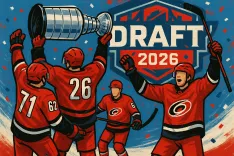

The Carolina Hurricanes have finally secured the ultimate prize in professional hockey, lifting the Stanley Cup for the first time in two decades. The emotional journey to this moment has been marked by struggles, changes in management, and a steadfast commitment to a winning culture, culminating in a triumph that embodies resilience and hard work.
A New Era Begins
Walking into what was then PNC Arena, now known as the Lenovo "Lenny" Center, in October 2018, marked not just the beginning of my role as the Hurricanes' beat reporter for The Athletic, but also the dawn of a new era for the franchise. That day coincided with Rod Brind'Amour’s inaugural day as head coach, even though his preparations had begun long before. During a critical conversation with then-captain Justin Williams, I inquired about the team's goals for the season. Williams interrupted me before I could utter the word "playoffs" to assert that merely making the playoffs should not be the goal at all. Instead, he emphasized the need to raise the bar, hinting at a shift in mindset aimed at elevating expectations. This conversation foreshadowed a promising new direction for a franchise that had been marred by mediocrity and uncertainty.
Overcoming Past Challenges
At that time, the Hurricanes were enduring a long playoff drought, having last made an appearance in 2009. Concerns about relocation loomed large. The ownership transition from longtime, controversial owner Peter Karmanos to billionaire entrepreneur Tom Dundon symbolized a dramatic overhaul of the team’s ethos. Dundon wasted no time, cutting ties with general manager Ron Francis, whose reticence had earned him criticism for being overly cautious during trade deadlines. In Francis's place, Dundon hired Don Waddell, a respected figure within the hockey community, known for his approachable demeanor.
Brind'Amour's promotion from assistant coach was met with skepticism. Although he was a legendary player and beloved franchise captain, his connection to the previous coaching staff raised eyebrows. However, Dundon, confident in his decision, reiterated that no one understood the specific challenges of this job better than Brind'Amour. This faith in leadership would ultimately set the stage for the team's revival, culminating in a Stanley Cup-winning season.
A Legacy of Dedication
As we look back on the past eight seasons, Brind'Amour has transformed the Hurricanes' culture, imbuing them with a relentless work ethic and strategic play that consistently matched their commitment to excellence. Under his leadership, the team cultivated players who aligned with this ethos. Jordan Staal, now 37, emerged as a key player, scoring six goals during the Cup Final and earning the prestigious Conn Smythe Award. His consistency, alongside the growing talents of Sebastian Aho, demonstrated the team's depth.
Those who doubted the franchise's direction are now witnessing the fruits of long-term investment in growth. The current goaltending duo of Freddie Andersen and Brandon Bussi shone brightly throughout the playoffs, mirroring the balanced team approach that got them the top seed in the Eastern Conference. This top-to-bottom commitment to a cohesive system paid dividends as the Hurricanes became the only NHL team this season to feature seven or more players who scored over 20 goals. Their depth allowed them to maintain resilience through the rigors of a demanding season.
Strategic Moves and Team Chemistry
The transition from good to great has not come without its challenges. Critics of the franchise point to certain struggles, including moments when scoring seemed hard to come by. Yet this year, their scoring depth thrived, thanks in large part to astute management decisions. After trading Mikko Rantanen, GM Eric Tulsky skillfully redirected those resources into crucial offseason acquisitions, including notable players like Ehlers and K'Andre Miller, enhancing a roster that had consistently displayed promise but lacked the final spark.
The Canes' structure enabled them to approach the Stanley Cup Final against the Golden Knights with confidence. While their opponents relied on superstars to carry them through tumultuous stretches of the season, the Hurricanes' balanced attack allowed them to remain grounded. A lack of back-to-back losses since January solidified their mental resilience and served as a cornerstone for their playoff run.
The Road to Glory
As the finals unfolded, the Hurricanes' tenacity shone through. Their shot-suppressing style and staunch defense thwarted high-caliber rival offenses, making it challenging for the Golden Knights to execute their game plan. In a chaotic series, it was the Hurricanes' methodical and team-oriented approach that ultimately prevailed. They did not require quick fixes or flashy acquisitions; rather, they embraced a philosophy of sustained effort and belief in their system.
This triumph marks a significant cultural and competitive turnaround for the Carolina Hurricanes. They have successfully transformed their long-term vision into reality, achieving their ultimate goal in authentic and thoroughly earned fashion. In an era dominated by quick fixes, the Hurricanes’ journey of hard work and gradual growth serves as a powerful reminder of what commitment can achieve.