Buffalo Bills Land DJ Moore in Key Trade to Bolster Offense
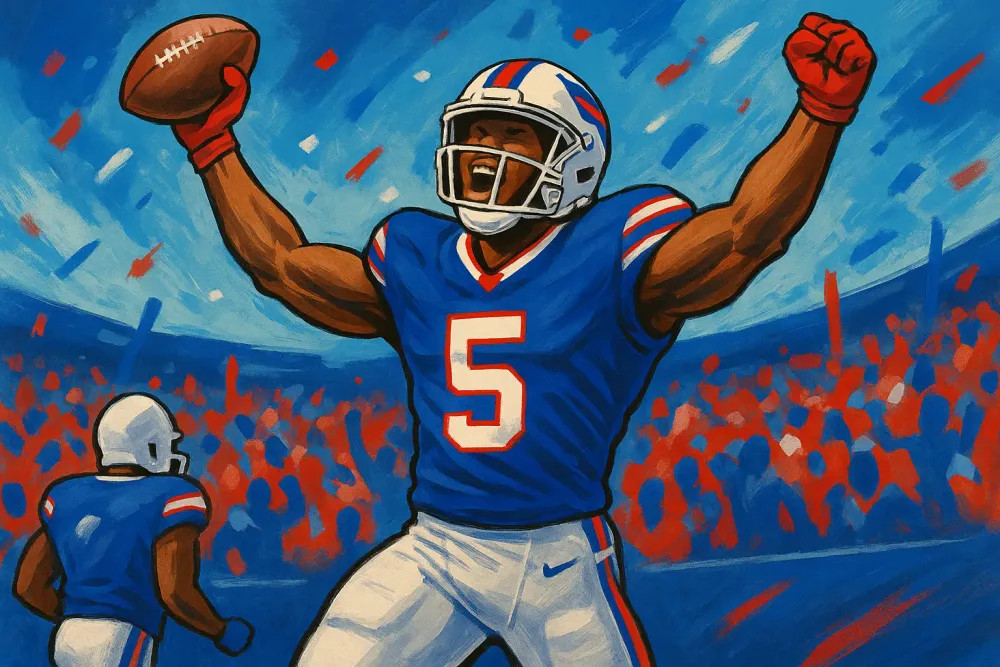
The Buffalo Bills have made a significant move as they head into the 2026 NFL offseason, trading for wide receiver DJ Moore from the Chicago Bears. This trade signals the Bills' intent to bolster their offensive lineup, especially after the challenges faced in the previous season due to a lack of a reliable go-to receiver. As the Bills aim for a playoff push, this addition could change the dynamics of their offense considerably.
Trade Details
According to NFL Network's Tom Pelissero, the Bills will send a 2026 second-round pick to the Bears in exchange for Moore and a 2026 fifth-round selection. This trade comes as a vital opportunity for both teams, with the Bills looking to enhance their receiving corps and the Bears gaining valuable draft picks for a player who had become less central to their offensive strategy.
Implications for the Bills
DJ Moore brings significant experience and talent to Buffalo, having averaged over 1,000 receiving yards per season throughout his career. This addition comes as a much-needed solution for quarterback Josh Allen, who struggled to find a top-tier target in the aftermath of Stefon Diggs' trade. With Moore on board, Allen now has the chance to distribute the ball to a reliable playmaker, thereby alleviating some pressure off his shoulders.
The absence of a star receiver contributed to the Bills' disappointing divisional-round exit against the Denver Broncos last season. Allen's performance, while commendable, was marred by dropped passes and missed opportunities, leading to a continued cycle of “what-if” moments for Buffalo. The team’s decision to let go of former head coach Sean McDermott underscores the significance of this need for a dynamic receiver.
Moore's Role and Performance
Moore, who will turn 29 in April, has shown impressive numbers throughout his career, including topping 1,100 yards in four of his eight seasons thus far. His role in Buffalo will undoubtedly reshape the productivity of existing receivers on the team, such as Tyrell Shavers and Khalil Shakir. However, the trade marks a tough transition for wide receiver Keon Coleman, who the Bills had hoped would develop into their primary target after drafting him in the 2024 NFL Draft.
With Coleman struggling to make a consistent impact over his first two seasons, evident by his 960 receiving yards, the Bills' move for Moore indicates a withdrawal from their expectations for Coleman. This shift seems to signal a new direction for Buffalo's offense, aiming to solidify their chances in the competitive AFC.
Impact on the Bears
On the flip side, the Chicago Bears are also making adjustments post-trade, as Moore's exit opens the door for their younger pass-catchers, including rookie tight end Colston Loveland and wide receivers Rome Odunze and Luther Burden III. Their production will need to ramp up if the Bears hope to maintain a competitive edge moving forward.
Though Moore ranked second on the team in receiving yards, his not being the primary offensive focus during the 2025 season may have contributed to this trade decision. With the Bears shifting towards investing more in their young talents on rookie contracts, they are placing their bets on potential growth from this group rather than relying on Moore.
Quarterback Caleb Williams and Bears’ Future
For Bears quarterback Caleb Williams, the trade presents a challenge as losing a seasoned receiver like Moore may limit his options on the field. While there are still capable pass-catchers remaining, having a top-tier target is always preferable for a quarterback aiming to develop and establish a rhythm. This transition adds complexity to the Bears' offensive strategy moving ahead, particularly for a quarterback still settling into his role.
Strategic Wins
Both teams can be considered winners post-trade; the Bills successfully addressed a key issue on their roster while the Bears recoup valuable assets. New Bills head coach Joe Brady now faces heightened expectations after taking over for McDermott, yet this trade provides him with a familiar asset as he aims to create a strong offensive unit.
General manager Brandon Beane has plugged a crucial hole within the roster, which is critical following questions about their previous draft strategies. Given the competitive nature of the AFC, particularly with teams eyeing Super Bowl aspirations, enhancing the roster is imperative.
Conclusion
The successful acquisition of DJ Moore signals not only a step forward for the Buffalo Bills but also highlights the evolving landscape within the AFC. By addressing their need for a frontline receiver, the Bills have significantly improved their chances of contention in the upcoming season. Meanwhile, the Chicago Bears will look to leverage their younger talent and reshape their offensive strategy without Moore as they prepare for the challenges ahead. As both teams adjust, the implications of this trade will be felt across the league as other franchises begin to adapt to the changing dynamics of player value.