Bruce Meyer Appointed MLBPA Interim Executive Director Amid
Introduction
The Major League Baseball Players Association (MLBPA) has announced the appointment of Bruce Meyer as its interim executive director, a significant move as the league approaches crucial collective-bargaining negotiations. Meyer's selection follows the resignation of Tony Clark, revealing deeper issues concerning competitive balance and labor relations within Major League Baseball.
Transition in Leadership
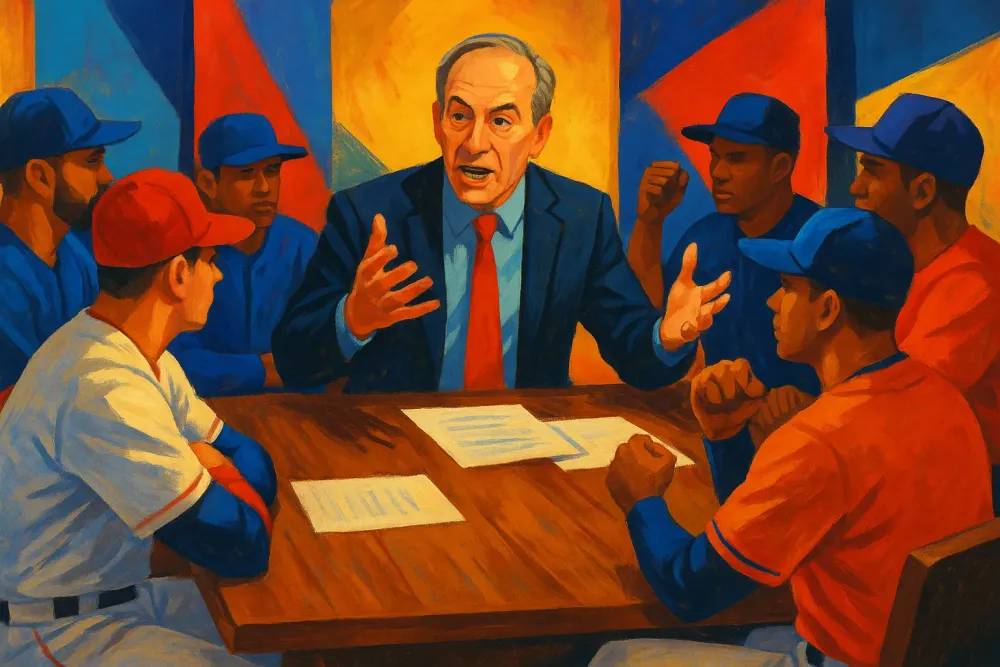
On Wednesday, the MLBPA's executive board, which comprises 72 players, unanimously approved Bruce Meyer to step into the role. Previously serving as the No. 2 in the union, Meyer will lead the MLBPA as it navigates a period marked by uncertainty and imminent challenges, namely the upcoming expiration of the current collective bargaining agreement (CBA) on December 1.
Tony Clark’s resignation was officially communicated in a MLBPA statement on Tuesday. While the timing of his departure raises questions given the impending CBA negotiations, the association emphasized the continuity of their commitment: “The strength of the union is—and will always be—the solidarity of our membership.” This sentiment highlights the dedication towards ensuring the rights of every player are upheld and protected.
Challenges on the Horizon
Amidst this leadership change, discussions around the potential for a lockout loomed large. Bruce Meyer echoed concerns within the union, noting, “A lockout is all but guaranteed at the end of the agreement.” With the league signaling its bargaining strategy focused on exerting pressure on players, Meyer’s historical insights into labor negotiations suggest he is prepared to confront these challenges head-on. He reassured that past tactics via divide-and-conquer methods employed by the league have consistently failed.
The urgency surrounding the negotiations is further compounded by the increasing divide in payrolls among teams, which has become a central topic of discussion in recent months. While the 2026 MLB season is expected to commence as scheduled, the outlook for the 2027 season appears precarious.
The Payroll Disparity
One of the main issues plaguing the league is the lack of a salary cap, which has resulted in a widening gap between the highest and lowest payrolls. The Los Angeles Dodgers, known for their hefty investments, have a projected payroll of $394 million for 2026. In stark contrast, several teams including the St. Louis Cardinals, Athletics, and Miami Marlins project payrolls below $100 million.
As reported by ESPN’s Jeff Passan, nearly every owner in the league seems to support the introduction of a salary cap, believing it would restore competitive balance that has been severely disrupted. The disparity raises fundamental questions about the financial strategy of teams, especially as every franchise is reportedly valued over $1 billion according to Forbes' 2025 valuations.
Implications of Labor Relations
This widening financial divide not only affects competitive integrity but also casts a spotlight on labor relations within the sport. With revenue sharing mechanisms in place, lower-spending teams are receiving funds from wealthier franchises; however, there’s growing discontent over the perceived lack of investment in player resources, a sentiment that could fuel further disputes.
Meyer’s appointment comes at a crucial juncture, as the MLBPA grapples with both immediate bargaining tactics and long-term strategies for sustaining the livelihoods of all players. The stakes are high, and with a potential lockout on the horizon, the response from the players' union will be pivotal in shaping the future landscape of Major League Baseball.
Conclusion
As Bruce Meyer steps into the role of interim executive director for the MLBPA, he is burdened with the urgent task of navigating complex labor negotiations against the backdrop of significant payroll disparities and the looming threat of a lockout. The decisions made in the coming weeks will have lasting implications for players, teams, and the overall health of baseball. The MLBPA’s adherence to solidarity stands as a reminder that, regardless of the challenges ahead, the rights and welfare of the players remain paramount.